Urea Prices Retreat as Hormuz Supply Hopes Rise and Russia Loses EU Fertilizer Share
Urea fell to $386 per tonne as Chinese exports and hopes for safer shipping through the Strait of Hormuz improved the supply outlook. Russian fertilizer sales to the EU dropped sharply in the first half of 2026, while phosphate and sulfur markets remained tight.
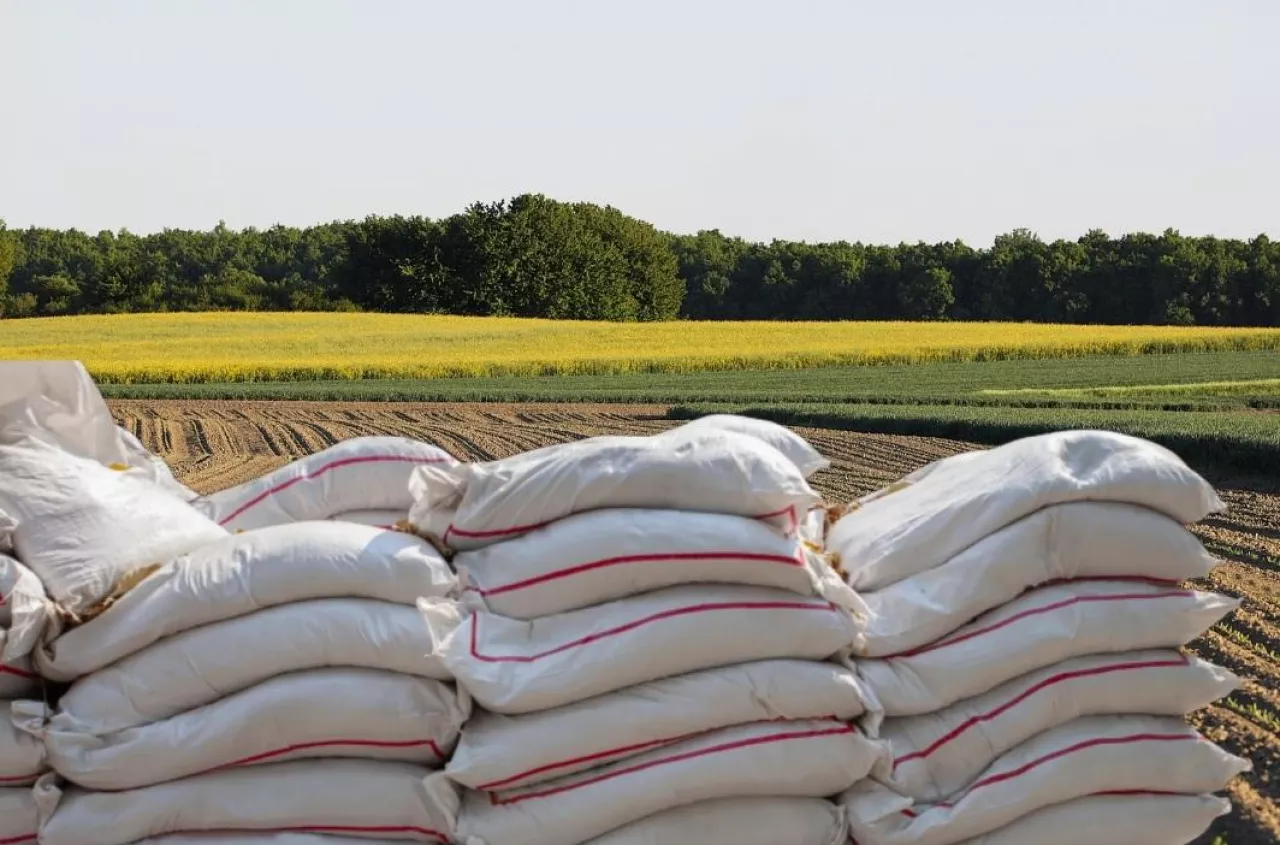
Urea retreats from April peak
Global urea prices fell to $386 per tonne on August 11, down 3.5% in one session and more than 7% over a month, according to top agrar. The price is now about 23% below the level of more than $500 per tonne reached in April, when reduced supply from the Gulf region drove a sharp increase. China’s resumption of urea exports under quotas covering June through August added pressure, while progress in Iranian-Omani talks reduced some concern about shipments through the Strait of Hormuz.
Iran and Oman have agreed coordinates for a proposed safe shipping route through the strait. In normal conditions, about 20% of global seaborne fertilizer trade passes through Hormuz, including urea, ammonia and sulfur. CF Industries estimates that the conflict removed about 4–4.5 million tonnes of urea and 1 million tonnes of ammonia from supply. Disrupted sulfur shipments have also constrained phosphate fertilizer production. However, transit procedures, insurance arrangements and the route’s opening date remain unclear, while damaged port infrastructure could delay a material recovery in traffic. The next large Indian tender and further developments around Hormuz will help determine whether the urea correction continues.
Russian sales to the EU contract
Russian fertilizer exports to the European Union fell 3.9-fold in value during the first half of 2026 to €297.9 million, according to figures cited by Vedomosti from RIA Novosti. Compound fertilizers accounted for €142.7 million, potash products for €111.9 million and nitrogen fertilizers for €42.9 million. In June alone, the EU imported €93.97 million of Russian fertilizer, 3.5 times less than a year earlier but 60% more than in May. Slovenia was the largest buyer that month at €29.5 million, followed by Germany at €12.45 million, Bulgaria at €12.44 million and Poland at €10.2 million.
Polish trade data show the same shift in greater detail. After mineral fertilizer imports reached a record 4.89 million tonnes in 2025, deliveries fell to 1.68 million tonnes in January-June 2026 from 2.86 million tonnes a year earlier. Germany became Poland’s leading supplier with 459,000 tonnes, while Russian shipments dropped from 1.23 million tonnes to 261,100 tonnes. Poland exported 1.38 million tonnes in the first half, 16.8% less than in the record comparable period of 2025. Ukraine remained its largest customer, receiving 364,000 tonnes.
Phosphate costs stay elevated
The improvement in urea supply has not spread evenly across the fertilizer complex. Mosaic set its third-quarter liquid sulfur cost at $705 per tonne through contracts with Gulf Coast refiners, while spot prices exceeded $800 per tonne. The company expects a realized DAP price of $820–840 per tonne and plans to maintain phosphate production restrictions through the end of 2026. Third-quarter output is forecast at 1.8–2 million tonnes and will depend on sulfur availability. Mosaic had already reduced operations at four phosphate plants because of shortages linked to Hormuz disruption and Russian export restrictions.
European farm prices therefore remain uneven. In Germany, ample global supply and lower results in the latest Indian tender could pull urea lower, although Gulf risks are slowing the decline; phosphate and sulfur fertilizers remain expensive. A Polish survey on August 19 found uninhibited urea at 2,550–3,110 zlotys per tonne, ammonium nitrate mostly at 1,800–1,950 zlotys and UAN 32 at about 1,600–1,900 zlotys. Some products were unavailable at several outlets ahead of autumn application. For buyers, cheaper benchmark urea offers some relief, but logistics through Hormuz and persistent sulfur constraints leave delivered costs and phosphate availability exposed to further disruption.