Ukraine seeks temporary grain storage in Poland under customs control
Ukraine is examining Polish restrictions on using customs warehouses and silos for grain moving through Poland to third countries. A bilateral business chamber proposes allowing temporary storage under continuous customs supervision, while Polish concerns center on preventing sensitive commodities from entering the domestic market.
Kyiv examines Polish transit restrictions
Ukraine’s Ministry of Agrarian Policy and Food is examining whether Polish customs authorities systematically restrict the use of customs warehouses and silos for the temporary storage of Ukrainian grain in transit, Farmer.pl reported. The cargo concerned is intended for export to third countries rather than sale in Poland.
The dispute concerns Poland’s regulation of 15 September 2023, which prohibited imports of certain Ukrainian agricultural products while permitting their transit. Ukraine argues that the use of customs warehouses for transit cargo needs clearer regulation. Talks are taking place between the Ukrainian and Polish sides, according to the Ukrainian ministry.
Business chamber proposes customs-supervised storage
The Polish-Ukrainian Chamber of Commerce has asked Poland’s finance and economy ministers to amend the regulation. Its proposal would permit temporary storage in Polish customs warehouses provided the grain remained under customs supervision, was not released for free circulation in Poland and subsequently continued under an external or common transit procedure.
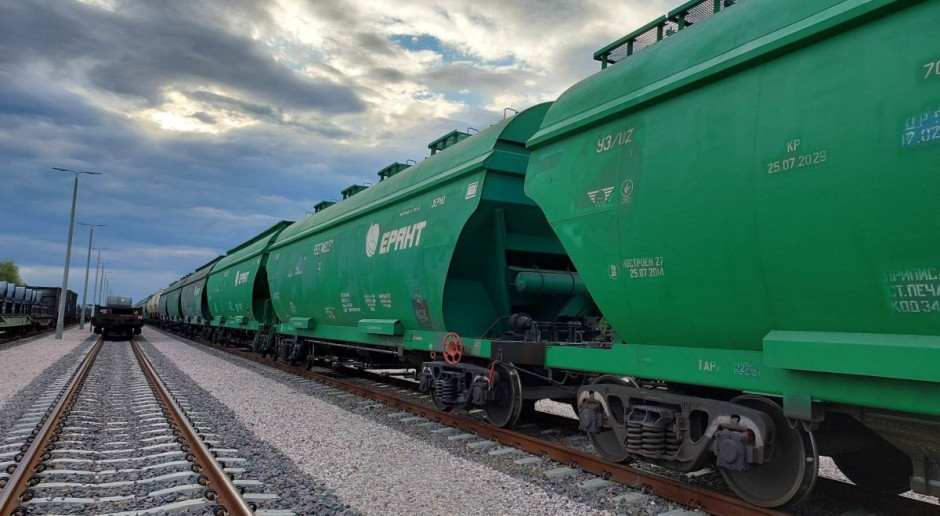
The chamber says storage is needed for rail logistics. Ukrainian grain arrives in broad-gauge wagons and must be transferred to European-gauge rolling stock before continuing to its destination. Customs warehouses and silos could serve as buffers, coordinating wagon arrivals, transshipment and onward dispatch. The existing Polish rules recognize the need for gauge-related transshipment but do not allow grain to be left in storage, even temporarily.
Polish market safeguards remain central
Under the current system described by Farmer.pl, trucks and wagons carrying products covered by the import ban may travel from the Ukrainian-Polish border to Polish Baltic ports, where they can be unloaded, or cross Poland toward another border. Shipments must be registered electronically, weighed and monitored by Polish authorities. Unloading, additional handling and storage before reaching the designated destination are not permitted.
Those safeguards were introduced after sharp protests by Polish farmers and reflect fears that sensitive Ukrainian products could remain in Poland and destabilize the domestic agricultural market. Ukrainian Agriculture Minister Taras Wysocki said stable export routes were important because Russian attacks were placing the country’s port and rail infrastructure under significant pressure. The Ukrainian Grain Association and the head of state railway Ukrzaliznytsia have also raised the storage issue. Polish ministries have so far provided limited public comment, leaving the central policy question unresolved: whether a tightly controlled storage regime can improve rail efficiency without increasing leakage risks or weakening confidence among Polish farmers.