Ukraine’s new potato-processing plant could reduce demand for Polish french fries
A large, government-backed potato-processing plant is being built in Ukraine. Its planned french-fry output is expected to significantly exceed domestic demand, potentially displacing Polish shipments and turning Ukraine into a regional supplier.
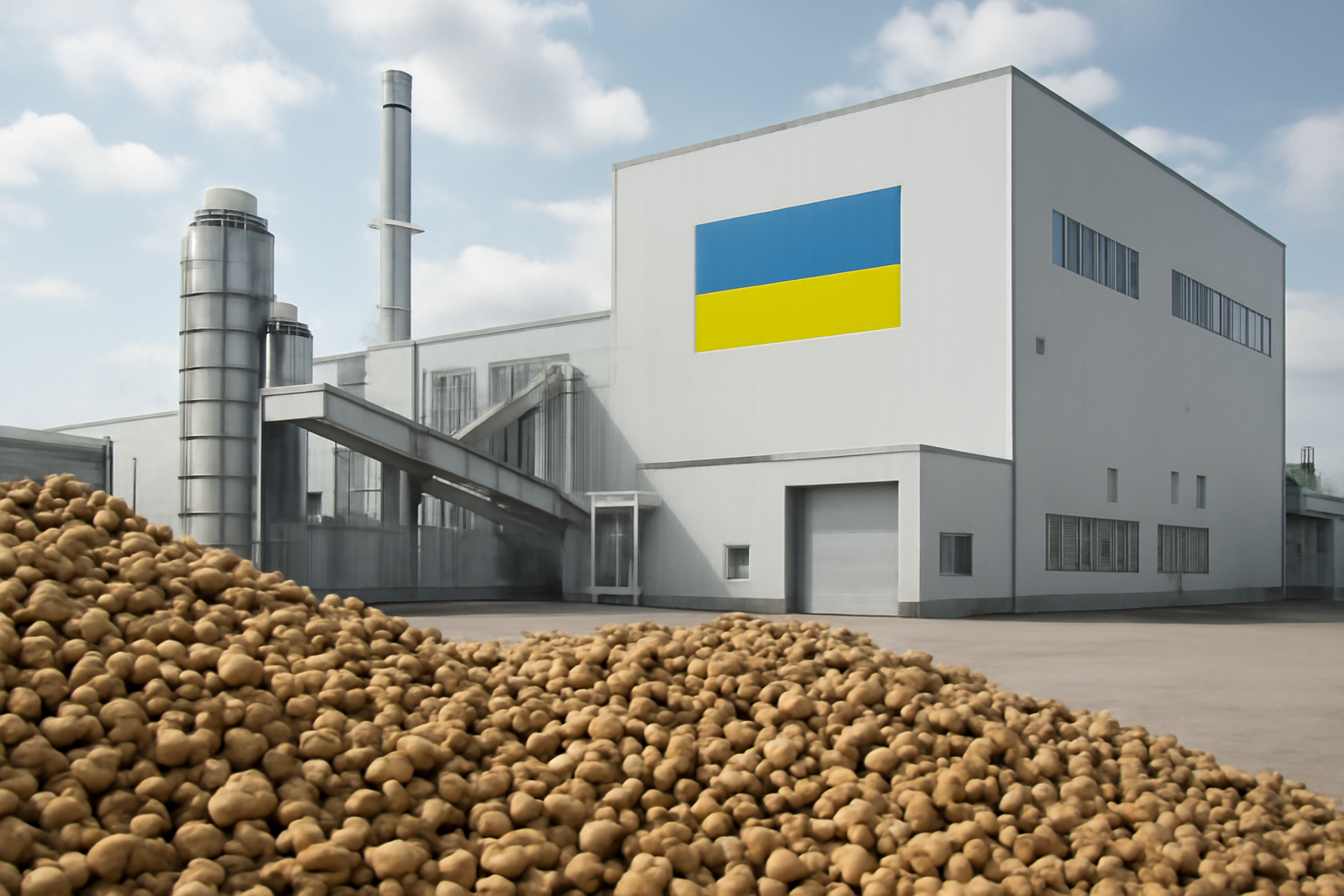
New capacity targets more than domestic demand
A large potato-processing plant is being developed in Ukraine with financial support from the Ukrainian government, according to Kresy.pl. The project is designed to produce french fries, adding industrial processing capacity to a market that has relied partly on imported products.
The publication reports that the plant’s planned output will significantly exceed Ukrainian domestic demand. That imbalance is central to the project’s regional impact: capacity beyond local consumption would need to replace imports, find customers abroad or operate below its intended level.
Polish suppliers face displacement
Poland could lose an important export market if Ukrainian-made french fries take a larger share of domestic sales. The immediate pressure would fall on Polish processors and traders that currently supply Ukraine, although the source does not provide shipment volumes, the plant’s capacity or a timetable for production.
For Polish companies, the challenge is not simply the arrival of another competitor. A plant located inside Ukraine can serve local buyers without the same cross-border logistics required by imported goods. Government financial support may also help the project absorb the high initial costs associated with building processing capacity.
Surplus production raises an export question
If output does exceed Ukrainian consumption, the plant will need markets beyond import substitution. Neighboring countries are the most evident potential destinations because processed potato products must be moved through reliable refrigerated supply chains. However, Kresy.pl does not identify target countries or disclose commercial agreements with foreign buyers.
Any move into regional exports would increase competition for established processors, including those in Poland. Ukrainian producers could seek business from food-service distributors, retailers and other buyers of frozen potato products. Their competitiveness will depend on production costs, consistent quality, access to suitable potatoes and the ability to maintain cold-chain logistics.
Effects extend to growers and processors
The project may also change Ukraine’s domestic potato market. A large processing operation requires a dependable supply of potatoes that meet specifications for french-fry production. This could create a new sales channel for Ukrainian growers and encourage closer contracting between farms and the processor, though no procurement arrangements have been disclosed.
The scale of the eventual trade effect remains uncertain because the available report contains no figures for capacity, investment, Polish exports or Ukrainian demand. The direction is nevertheless clear: a government-supported Ukrainian plant with production planned above domestic consumption could reduce imports from Poland first and later pursue sales in neighboring markets. For regional processors, the decisive factors will be the plant’s launch, actual utilization and ability to secure both raw materials and customers.