Ukraine’s fresh and chilled beef exports rise nearly 33-fold in first half of 2026
Ukraine exported 11,400 tonnes of beef worth $59.5 million in the first half of 2026. Fresh and chilled shipments rose nearly 33-fold, while frozen beef volume declined by 4.2% but generated higher revenue.
Fresh beef drives export growth
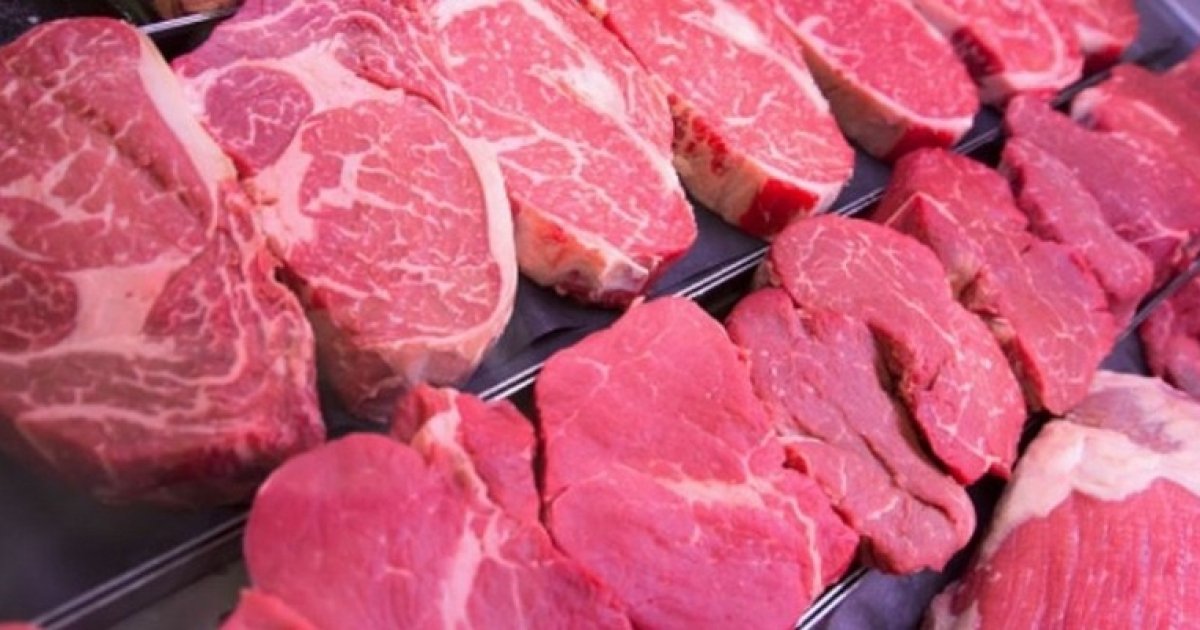
Ukraine exported 11,400 tonnes of cattle meat worth $59.5 million in the first half of 2026, according to Delo.ua. The most pronounced expansion came from fresh and chilled beef, whose shipment volume increased nearly 33-fold compared with January-June 2025.
Exports in this segment reached 2,200 tonnes and generated $17.7 million. Revenue consequently rose even faster than physical volume, increasing nearly 41-fold year on year. The figures mark a sharp change in the composition of Ukraine’s beef sales abroad, although fresh and chilled products still represented less volume than frozen meat.
Frozen shipments decline but revenue rises
Frozen beef remained the larger export category, accounting for 9,200 tonnes during the reporting period. Its volume was 4.2% lower than in the first half of 2025, but export revenue increased by 11.2% to $41.8 million.
The divergence between lower tonnage and higher revenue indicates that the average export return per tonne improved. Based on the reported values and volumes, fresh and chilled beef also generated substantially more revenue per tonne than frozen product. The source did not provide transaction-level prices, product specifications or contract terms, so the precise causes of the difference cannot be established from the available figures.
Destination data remain essential
Delo.ua did not identify the countries buying the additional fresh and chilled beef. A destination breakdown is therefore unavailable from the source material, making it impossible to determine whether the increase was driven by a new market, wider access across several countries or unusually large deliveries to existing customers.
That distinction matters to producers, processors and traders. A rise concentrated in one destination or a small number of contracts could prove volatile, while growth distributed among several markets would provide a broader base for Ukraine’s meat trade recovery. Fresh and chilled beef also requires tighter slaughter, certification, cold-chain and delivery coordination than frozen product because its commercial shelf life is shorter.
The beef figures form part of a wider but uneven performance in Ukraine’s meat exports. Ukrainian companies shipped 248,400 tonnes of poultry meat in the first half of 2026, up 9.7% year on year. Poultry revenue nevertheless fell by 1.8% to $526.4 million. Beef therefore recorded strong revenue growth in both reported categories, while poultry exporters sold more physical product for less total revenue. For market participants, the next evidence to watch will be the durability of fresh beef shipments, their destination mix and whether frozen beef can sustain higher revenue despite declining volume.