Ukraine Clarifies Excise Stamp Rules for Bulk Wine Imports
Ukraine’s tax authority has clarified that wine under code 2204 29 10 00 cannot generally be imported in road tankers for direct domestic sale because it requires excise stamps. Bulk imports remain possible for licensed production and bottling under a bank-guaranteed tax bill valid for up to 90 days.
Tax authority addresses tanker imports
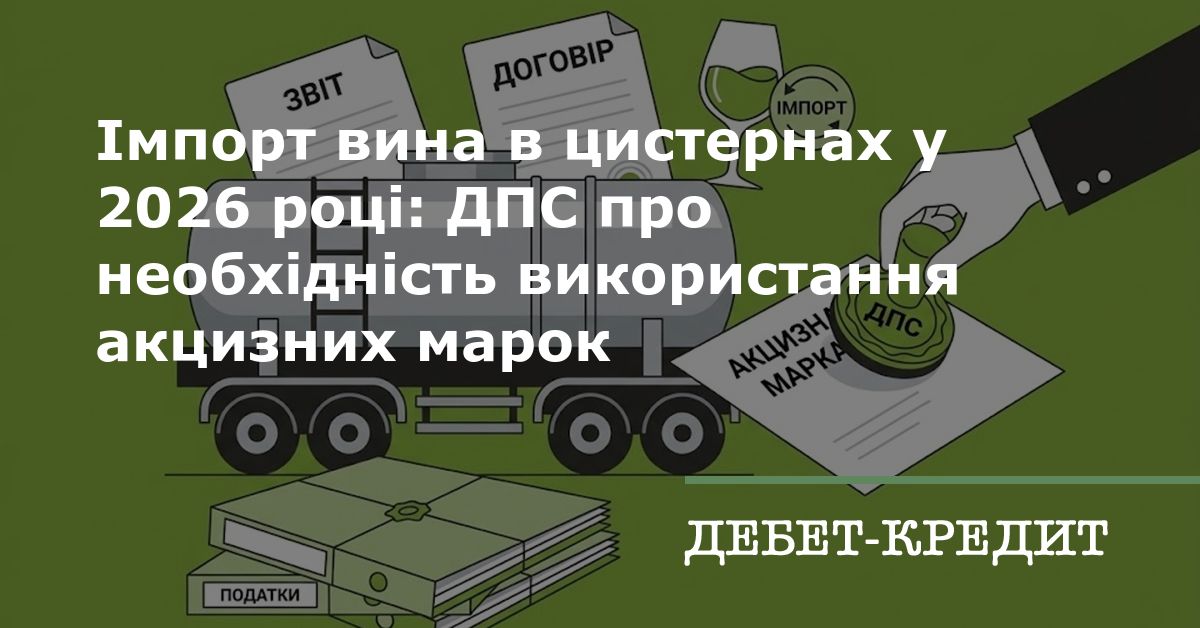
Ukraine’s State Tax Service has clarified how excise rules apply to wine imported in large road tankers. The guidance, issued in an individual tax consultation dated August 26, 2026, followed a request from a Ukrainian importer negotiating supplies from a foreign producer.
The planned shipment involved wine classified under Ukrainian customs code 2204 29 10 00. The importer intended to bring the product into Ukraine in bulk and then sell it on the domestic market, raising the question of whether excise stamps were required and, if so, how they could be attached to a tanker shipment.
As explained by Debet-Kredyt, an excise stamp confirms payment of the tax and the legality of the product’s importation and sale. Ukrainian rules normally require the stamp to be attached to a bottle or other retail package so that it tears when the package is opened. Producers, importers and sellers can all be held responsible for violations.
Product code determines whether tanker delivery is allowed
The Tax Code permits alcoholic beverages to enter Ukraine in road or rail tankers, tanks and other containers holding more than 5 litres when the products are intended for sale or exchange and are not subject to excise marking. In those cases, excise duty is paid before or during customs clearance.
However, alcoholic beverages containing more than 8.5% alcohol by volume generally require stamps unless they fall within specified exemptions. Still wine and fermented beverages under heading 2204 are among the products that may be exempt, but the legislation expressly excludes several codes from that relief, including 2204 29 10 00.
Consequently, wine classified under 2204 29 10 00 cannot be sold without excise stamps. According to Debet-Kredyt’s analysis of the consultation, an importer cannot simply pay the excise duty at customs and release a tanker shipment for direct sale. The packaging-based marking requirement makes that route unavailable for this code.
Domestic bottling offers an alternative route
The tax authority identified another mechanism for importing the wine in non-consumer containers for subsequent bottling. Bottling alcohol is treated as production, meaning the importer must operate as a producer and the wine brought in by tanker is treated as production material rather than a finished retail product.
Under this procedure, the importer-producer issues a bank-guaranteed tax bill for up to 90 days. A copy registered by the tax authority provides the basis for customs clearance. The operating sequence is therefore bulk import, acquisition of excise stamps, bottling and application of the stamps to the finished bottles. This option requires producer status and complete supporting documentation.
Importers should also verify the product’s exact classification and alcohol content before signing contracts. A different customs code can change both tax and customs treatment. Debet-Kredyt notes that dry wine imported by road tanker for sale in Ukraine may not require the importer to buy stamps or send them to the foreign supplier; in that case, no marking occurs at import and excise duty is paid during customs clearance.