Uganda turns sugar surplus into regional supply as Kenyan demand supports trade
Uganda now produces more than 800,000 metric tonnes of sugar annually, according to Bank of Uganda figures cited by Daily Monitor. Surplus output is reaching Kenya and other regional markets, although Kenyan taxes and permit restrictions are redirecting part of the trade through informal channels and toward alternative destinations.
From scarcity to annual output above 800,000 tonnes
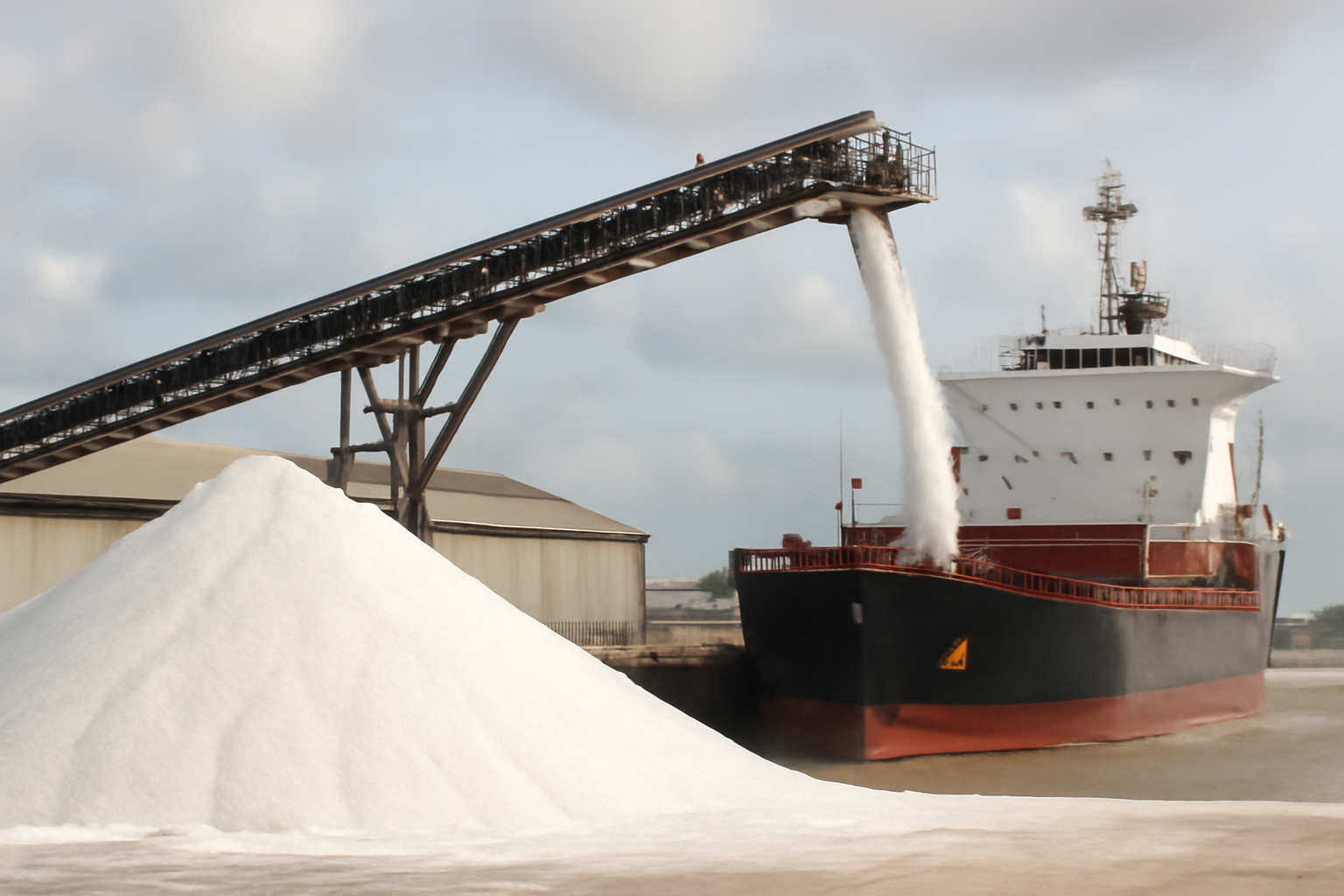
Uganda has moved from severe sugar shortages to production of more than 800,000 metric tonnes a year, creating enough supply for domestic consumption and sales to neighboring countries. Bank of Uganda figures reported by Daily Monitor show how the revival and expansion of milling capacity has turned the country from a deficit market into a regional supplier.
The contrast with the late 1980s is sharp. Busia resident Muhmad Ofwono recalled that in 1988, when sugar was scarce, he and other Ugandans asked visiting Kenyan president Daniel Arap Moi for the commodity. Moi gave the crowd 10 bags, but the scramble that followed led a Ugandan district official to order arrests and caning. Ofwono said a kilogram cost Shs2,000 in Kampala and Jinja at a time when Uganda’s old currency had been devalued.
Wilson Muhumuza, who was in Busia by 1984, told Daily Monitor that shortages followed the collapse of the Kakira, Lugazi and Kinyara factories. He linked the wider decline in manufacturing to the 1972 expulsion of Asians under president Idi Amin. By 1976, much of the manufacturing sector had collapsed, and Ugandans increasingly smuggled sugar, soap, clothes, matchboxes and salt from Kenya through the trade known locally as magendo.
Mill expansion reverses the regional supply direction
The industry now includes established producers Kakira Sugar Works, Sugar Corporation of Uganda Ltd and Kinyara Sugar Works, as well as newer factories in Kaliro, Kamuli, Buyende, Bugiri, Mayuge and Buikwe. Daily Monitor reported that this expansion increased national output beyond local requirements. Political stability has also encouraged manufacturing investment, according to Muhumuza.
Kenya has become a natural outlet for the surplus because production problems at Mumias, Nzoia and Chemelil have left its market short of locally produced sugar. David Ogeya, a trader in Busia, Kenya, said retail prices there had declined from KSh220 to KSh200 and then about KSh150 per kilogram, but remained above Ugandan levels. A 50-kilogram bag could sell for as little as Shs145,000 in Uganda, compared with at least KSh6,000, or about Shs170,000, in Kenya.
The price gap is supporting regular deliveries to Sofia in Busia Town, where traders build stocks for Kenyan buyers. Trader Apofia Nawasiima told Daily Monitor that businesses were increasing inventories as volumes moving into Kenya grew. Bank of Uganda data put annual sugar exports to Kenya at $23.16 million, or about Shs87 billion, despite changing trade barriers and permit restrictions.
Kenyan duty pushes trade toward porous borders
Kenya’s Finance Act 2026 increased excise duty on imported sugar by KSh40 per kilogram and KSh40,000 per tonne, equivalent to about Shs1,200 and Shs1.2 million respectively. Daily Monitor reported that the measure contributed to more informal movement through porous border crossings. Bank of Uganda figures also show exports to Kenya falling from $41.1 million in late 2025 to $12.11 million in the first quarter of 2026, a decline attributed to the duty and Kenya’s efforts to revive domestic production.
Ugandan suppliers are consequently looking more actively at Rwanda, the Democratic Republic of Congo and South Sudan. Kenya nevertheless remains attractive wherever its domestic shortage and price premium offset the new fiscal barrier. Uganda’s supplier role therefore rests on two conditions: milling capacity that keeps production above domestic needs, and continued deficits in nearby markets. For producers and traders, formal access rules will determine whether that surplus moves through recorded trade or informal border channels.