Tuyserkan walnut harvest reaches 24,000 tonnes from 8,300 hectares
Iran’s Tuyserkan county has harvested about 24,000 tonnes of walnuts this year, with the crop entering the market. Its orchards cover roughly 8,300 hectares, including about 200 hectares of newly planted, non-bearing trees.
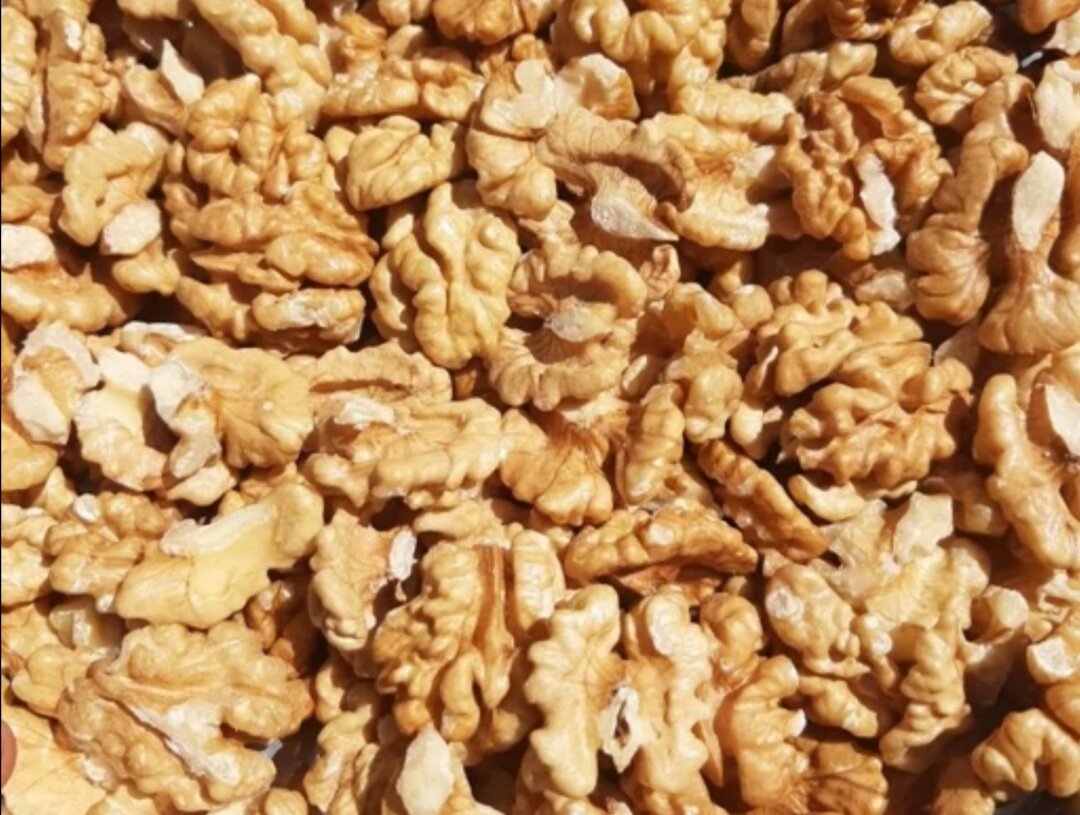
Walnut crop moves into the market
Walnut growers in Tuyserkan county, in Iran’s Hamadan province, have harvested about 24,000 tonnes of high-quality walnuts this year, according to Sajjad Mohammad-Asghari, the county’s director of agricultural jihad. The crop is now being sent to market, creating a sizeable seasonal supply from one of Iran’s principal walnut-producing areas.
Tuyserkan has approximately 8,300 hectares of walnut orchards. About 200 hectares consist of newly established trees that are not yet bearing fruit, Mohammad-Asghari said in reports published by Khabar Online and Ettelaat. The figures imply an average output of close to 3 tonnes per hectare across the county’s total orchard area, although the publications did not provide farm-level yields or distinguish production from mature orchards.
No data were reported on prices, processing volumes, domestic destinations or exports. The immediate market effect is therefore clearest at the regional level: 24,000 tonnes of walnuts are entering commercial channels during the harvest period. How much reaches other Iranian provinces or foreign buyers was not specified.
Harvest timing shapes quality
The harvest in Tuyserkan normally begins in late Shahrivar and continues until mid-Mehr in the Iranian calendar. Orchard elevation, walnut variety, water availability and the year’s weather can move that schedule by one to two weeks. Higher, colder orchards are generally harvested in the first or second week of Mehr, while warmer sites may be ready in the final days of Shahrivar.
Khabar Online reported that early varieties are usually collected from about 25 Shahrivar to 5 Mehr, followed by later varieties from 5 to 15 Mehr. Tuyserkan’s mountainous climate, cool nights and large differences in elevation mean that the county does not have a single harvest date.
Weather during this window can affect both timing and marketable quality. An early, cold autumn may cause the green husk to split sooner and bring harvesting forward. Autumn rain can wet walnuts on trees or on the ground, increasing the risk of mould and darkening of the kernel. Harvesting too early can produce pale, immature kernels, while excessive delay raises exposure to fruit drop, pests and birds.
Mechanisation and worker safety
Local authorities focused on harvesting safety before the season began. Meetings brought together the Red Crescent, the health centre, the governor’s office and agricultural authorities to consider ways to prevent falls from trees. Officials also met district administrations and village managers, with emergency service 115 providing safety and first-aid guidance to growers and harvest workers.
Mohammad-Asghari said wider use of mechanical tree shakers could reduce the need for people to work at height. The machines vibrate trees to dislodge walnuts, potentially lowering the risk of falls while accelerating collection. Authorities are also pursuing insurance coverage for growers and other workers through Iran Insurance. A separate effort to register and license specialist walnut harvesters through the provincial guild chamber has not yet been implemented.