Turkish hazelnut growers demand TMO purchase price of at least 300 lira per kilogram
Hazelnut producer groups across Turkey’s Black Sea region say the TMO purchase price should be no lower than 300 lira per kilogram. A potentially large crop could increase supply, but rising input costs and quality losses in coastal orchards are complicating the outlook.
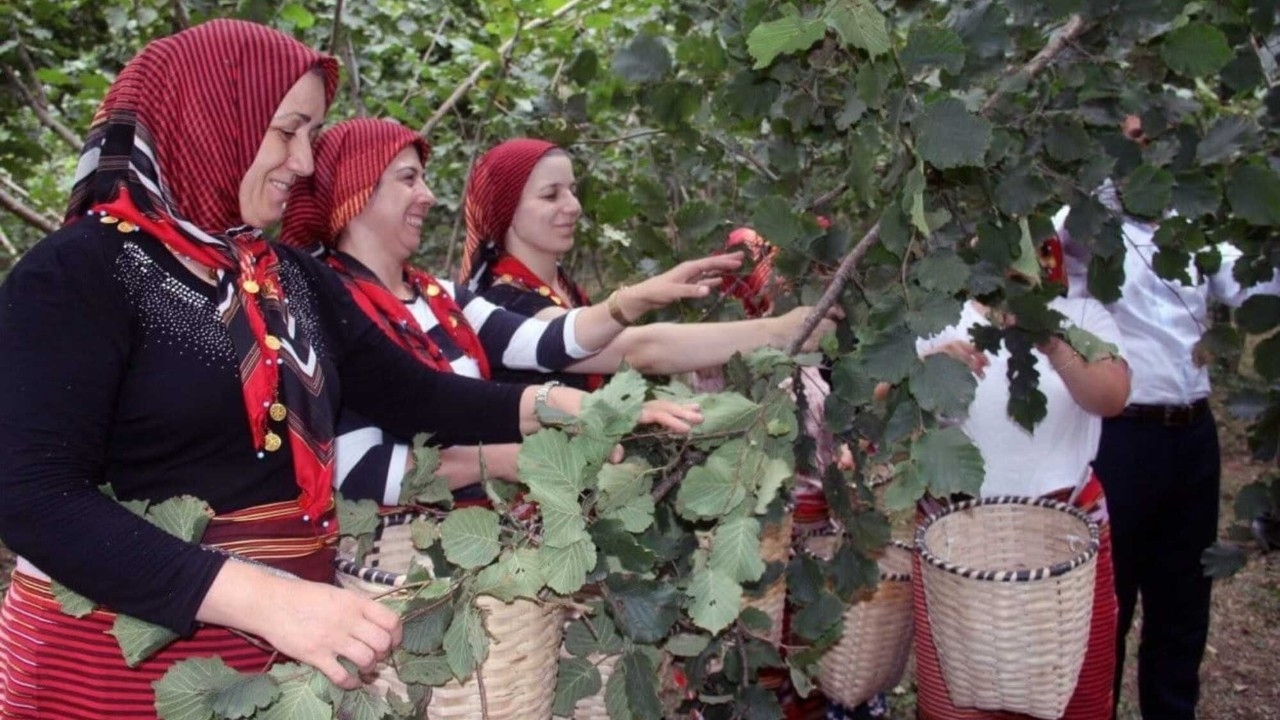
Growers focus on state purchase price
Hazelnut producers in Turkey’s Black Sea region are calling for a minimum state purchase price of 300 lira per kilogram before harvesting begins next month. Their demand is directed at the Turkish Grain Board, known as TMO, whose announced price and purchasing activity can influence the wider market during the season.
According to Ekonomim, generally favorable weather and more effective efforts against the brown marmorated stink bug have improved yield expectations in several important production areas. Producers nevertheless say sharp increases in fertilizer, diesel, crop-protection products, labor and other inputs mean that a price below 300 lira would fail to cover costs and threaten the continuity of production.
Düzce Chamber of Agriculture President Murat Ay said the province could record one of its highest hazelnut crops in recent years. He reported that some agricultural input costs had risen by almost 100% over the past year and said growers would not accept a TMO price below the requested level.
Crop estimates point to higher supply
Giresun Chamber of Agriculture President Nurittin Karan estimated Turkey’s crop at 650,000-750,000 tonnes. He said fertilizer that cost 650 lira for 50 kilograms last year now costs 1,250-1,300 lira, while labor, threshing and fuel expenses have increased by around 50%-60%. A chamber calculation based on 10 decares and an average yield of 100 kilograms produced an estimated cost of 230-240 lira per kilogram.
Karan argued that adding a margin for growers makes any price below 300 lira unsustainable. He also urged TMO to absorb surplus supply quickly, offer suitable payment terms and continue purchasing beyond the end of the year. In an inflationary environment, he said, keeping the August 2026 price unchanged until May 2027 would disadvantage farmers; he proposed an update every two months.
The prospect of a strong national crop does not extend evenly across the region. High-altitude orchards around Giresun are performing better than some coastal areas, while the eventual share of empty nuts and damage from pests will become clearer only after the crop is harvested and bagged.
Coastal quality losses cloud the outlook
Ordu Chamber of Agriculture President Atakan Akça reported fertilization deficiencies of up to 20% in coastal areas. Field assessments have also identified hazelnut weevil, stink bug and powdery mildew damage. Rain during the May spraying period prevented many growers from treating orchards, while high humidity increased the risk of quality losses from mildew. Akça estimated that close to 25% of the coastal crop might not enter the bags.
Conditions also vary by cultivar and elevation in Trabzon. Hasan Kozoğlu of the Trabzon agricultural chambers said pointed hazelnuts were weak at middle and lower elevations, while round varieties were performing better and pointed varieties looked stronger at higher elevations. For processors and confectionery buyers, the combination of a potentially large Turkish crop and uneven kernel quality means that usable supply, TMO purchasing volumes and the timing of farmer sales will matter as much as the headline production estimate.