Turkey remains Bulgaria's main vegetable supplier as imports reach 174,700 tonnes in five months
Bulgaria imported 174,700 tonnes of fresh vegetables in the first five months of 2026, with Turkey holding its position as the leading supplier, according to Agri.BG. Bulgarian vegetable exports rose 75.3% over the same period, though no tonnage was published for the export side. January to May is the window when domestic field production is thinnest and imports and heated greenhouses cover demand.
Turkey retains the top supplier slot
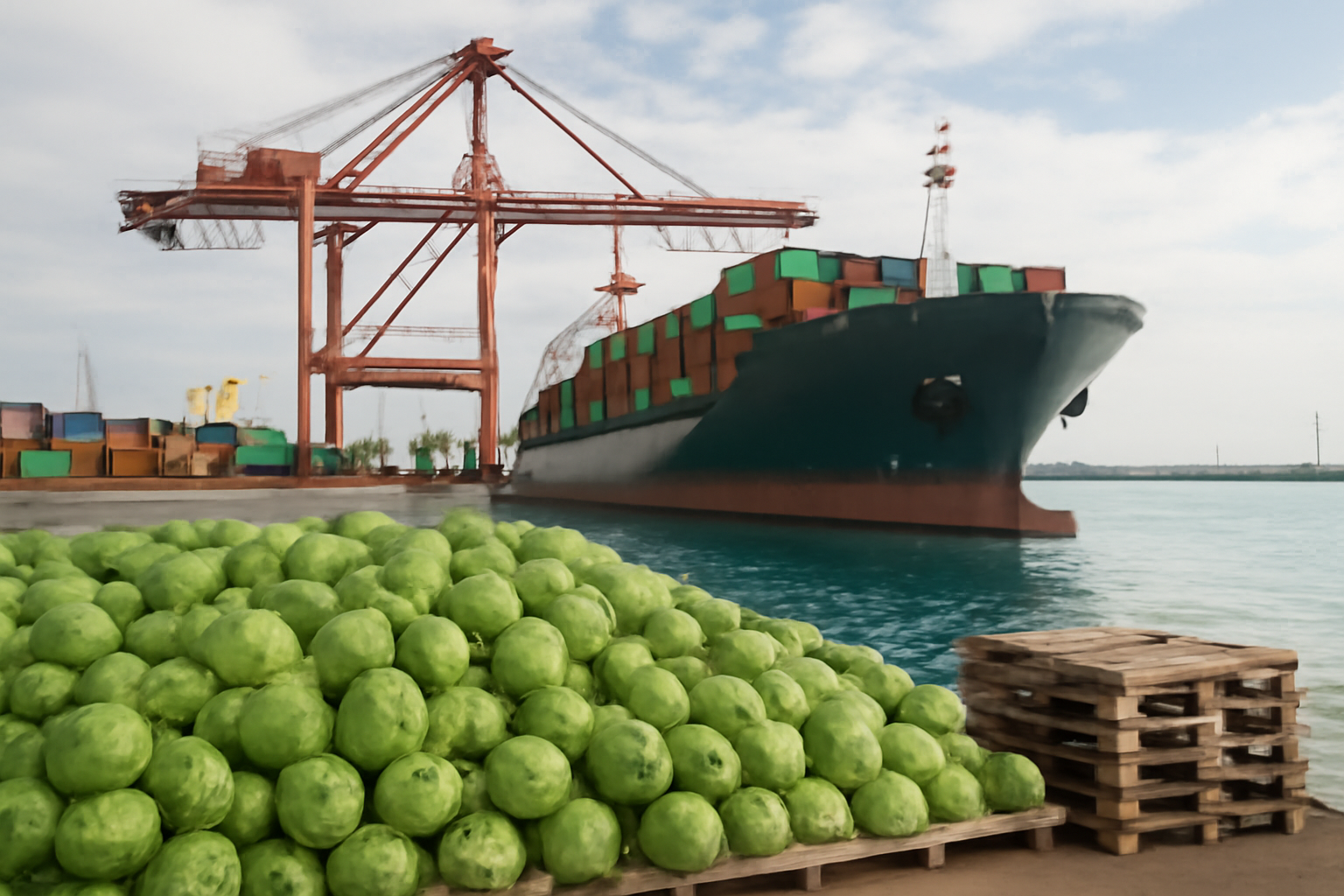
Bulgaria imported 174,700 tonnes of fresh vegetables in the first five months of 2026, and Turkey remained the country's main supplier, Agri.BG reported. The period covers January to May, the stretch of the year when Bulgarian field production is at its thinnest and the domestic market depends most on imports and greenhouse output.
Agri.BG published the aggregate import volume and Turkey's leading position without a breakdown by individual product or by the share held by each origin. On that basis the figure describes the scale of Bulgaria's dependence on outside supply at the start of the year rather than its composition.
Exports up 75.3%
Over the same five months, Bulgarian vegetable exports rose 75.3%, according to Agri.BG. The increase was reported as a percentage change and no tonnage was given for the export side, so the two flows cannot be compared directly from the published data.
Rising exports alongside imports of 174,700 tonnes point to two-way trade rather than a one-directional flow. Bulgarian shipments follow the domestic harvest calendar while imports fill the gaps outside it; growth on both sides of the balance in the same period is typical of a market where produce moves in and out according to season, variety and price rather than to any level of self-sufficiency.
Why the January-May window decides supplier rankings
The first five months are the tightest part of the year for northern-hemisphere vegetable supply, and they are where import positions are won. Several factors work in Turkey's favour in that window:
- Seasonality: Bulgarian open-field tomatoes, cucumbers and peppers arrive later in the year, leaving winter and early-spring demand to imports and heated greenhouses.
- Proximity: Turkey shares a land border with Bulgaria, so truck deliveries are short and transport cost per tonne of perishable produce stays low.
- Production base: Turkish greenhouse capacity, much of it in the south of the country, is built for winter cropping and supplies the region continuously through the cold months.
- Trade framework: agricultural goods sit outside the EU-Turkey industrial customs union and move under preferential arrangements, which shape landed cost alongside freight.
Cost of production in that window is driven by gas and fertilizer bills rather than by land, because a heated greenhouse consumes both continuously. Input prices therefore pass straight into the winter price of vegetables on the Bulgarian market and into the competitiveness of any local grower trying to take volume back from imports.
What the data leaves open
For producers, traders and importers, the useful questions start where the reported figures stop.
- Whether the 174,700-tonne import volume holds once Bulgaria's own summer harvest reaches the market, or contracts sharply from June.
- Which product lines carry the total, since tomatoes, cucumbers and peppers differ widely in margin and shelf life.
- Whether export growth of 75.3% reflects larger volumes to existing buyers or new destinations, a distinction that determines how durable it is.
Without a product-level breakdown the published totals still set a baseline: imports of 174,700 tonnes over five months, and an export line growing 75.3% on the same clock.