Turkey seeks to lift raisin consumption as Europe absorbs most of Manisa’s output
Turkey’s annual domestic raisin consumption remains at about 40,000 tonnes, including use by the alcohol industry, while the Manisa Commodity Exchange wants it raised to at least 100,000 tonnes. Europe remains the principal market for Turkish raisins, with strong consumption in the United Kingdom, Germany and the Netherlands.
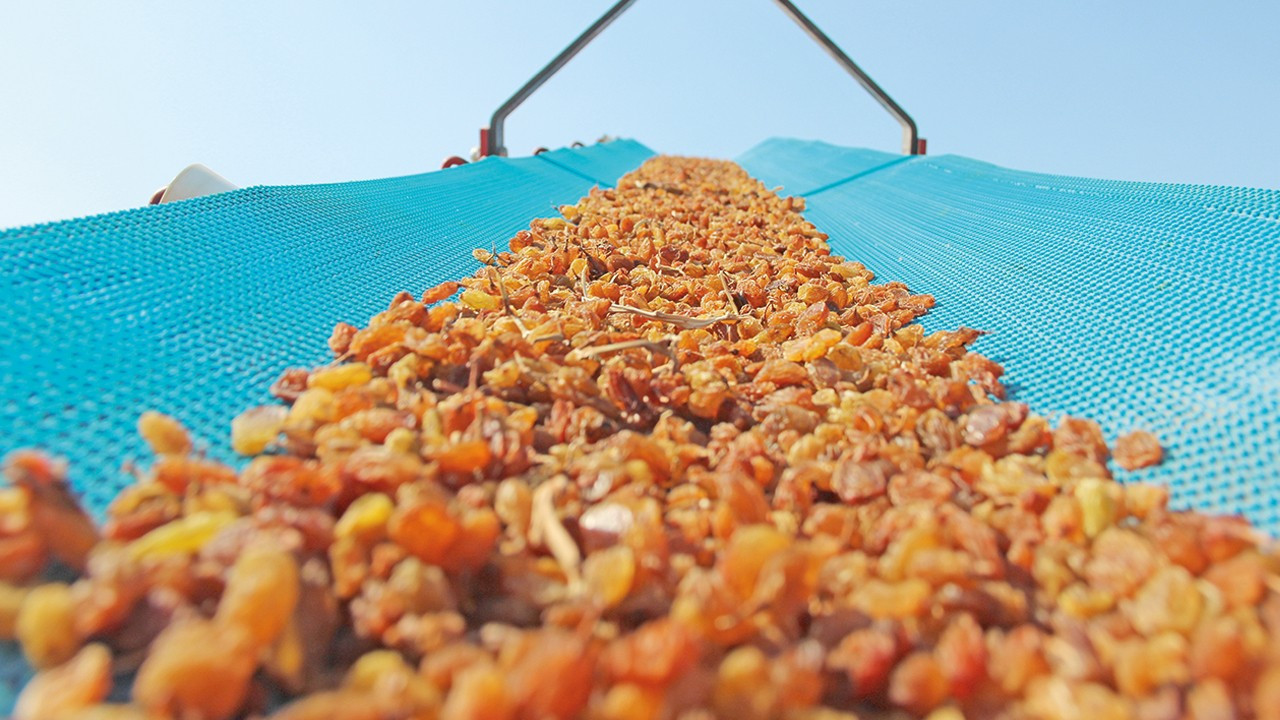
Domestic target more than doubles current consumption
Turkey needs to increase annual domestic raisin consumption from about 40,000 tonnes to at least 100,000 tonnes, according to Sadık Özkasap, chairman of the Manisa Commodity Exchange. The current total includes demand from the alcohol industry, while per-capita consumption of raisins is only about 200 grams.
Özkasap told Dünya and Gazete Vatan that Turkey remains one of the world’s leading producers of seedless raisins but consumes a relatively small share of its own output. Much of the crop is instead sold into European markets, particularly the United Kingdom, Germany and the Netherlands. He called for policies that would broaden domestic demand and provide another outlet during years of high production.
Food manufacturing could provide additional demand
The proposals include using more grapes in molasses, vinegar and processed foods, as well as expanding the range of cakes, biscuits and chocolate containing raisins. Özkasap also called for the revival of earlier “Grape School Projects,” intended to establish consumption habits among children from an early age.
He questioned the importation of grape derivatives while domestic grapes are already used in alcoholic beverages. Greater use of locally produced raw material by Turkish manufacturers could absorb more of the crop in high-yield years. Moving from 40,000 tonnes to the proposed minimum would require an additional 60,000 tonnes of annual domestic demand, equivalent to a 150% increase from the present level.
Manisa anchors production and export processing
Manisa produces approximately 90% of Turkey’s seedless Sultana raisins. According to Özkasap, businesses in the province export 80-85% of the product produced there, making local growers and processors highly exposed to conditions in overseas markets. Turkey competes internationally with suppliers including Egypt, Peru and South Africa, while harvest volumes, prices, foreign-exchange movements and competitors’ offers influence purchasing decisions.
Özkasap said Turkey has world-standard grape-processing technology and production infrastructure, with domestic companies holding a strong position in hygiene, technology and product quality. However, vineyards are long-term assets rather than annual cropping choices. Some productive vineyards are 20, 30 or even 40 years old and have posts and drip-irrigation systems already installed. A grower who loses money in one season therefore cannot simply switch to another crop the following year.
A domestic buffer for an export-oriented sector
The push to raise local consumption is intended to complement, rather than replace, export demand. Exporters still seek the highest available value, but global supply and demand and rival-country prices constrain what buyers will pay. A larger home market could give producers, processors and traders another sales channel when harvests are large or foreign-market conditions weaken.
Reaching the 100,000-tonne objective would require sustained demand across households, schools, food manufacturers and beverage processors. For Manisa, where production and export handling are concentrated, progress would reduce reliance on a narrow group of European destinations while supporting vineyards that cannot quickly adjust their output base.