Turkey Heads for Record Fig Export Season as Harvest Rises 50%
Turkey's 2026 fig crop is estimated at about 388,000 tonnes of fresh figs and 94,000 tonnes of dried figs after abundant rain lifted yields. Exports began on 28 September instead of mid-October and the sector expects the $370 million record to be exceeded, even as prices run 20-30% below last year and EU ochratoxin testing weighs on shipments.
Turkey, the world's leading fig producer, is entering an export season that the local industry expects to set a record, after abundant rainfall and favourable weather lifted this year's crop, ekonomi.haber7.com reported.
The 2026 harvest is estimated at about 388,000 tonnes of fresh figs and 94,000 tonnes of dried figs. Shipments, which normally begin in mid-October, started on 28 September this year, brought forward by the larger crop and good drying weather. The sector expects the previous export record of $370 million to be exceeded this season.
Nazilli runs an early season
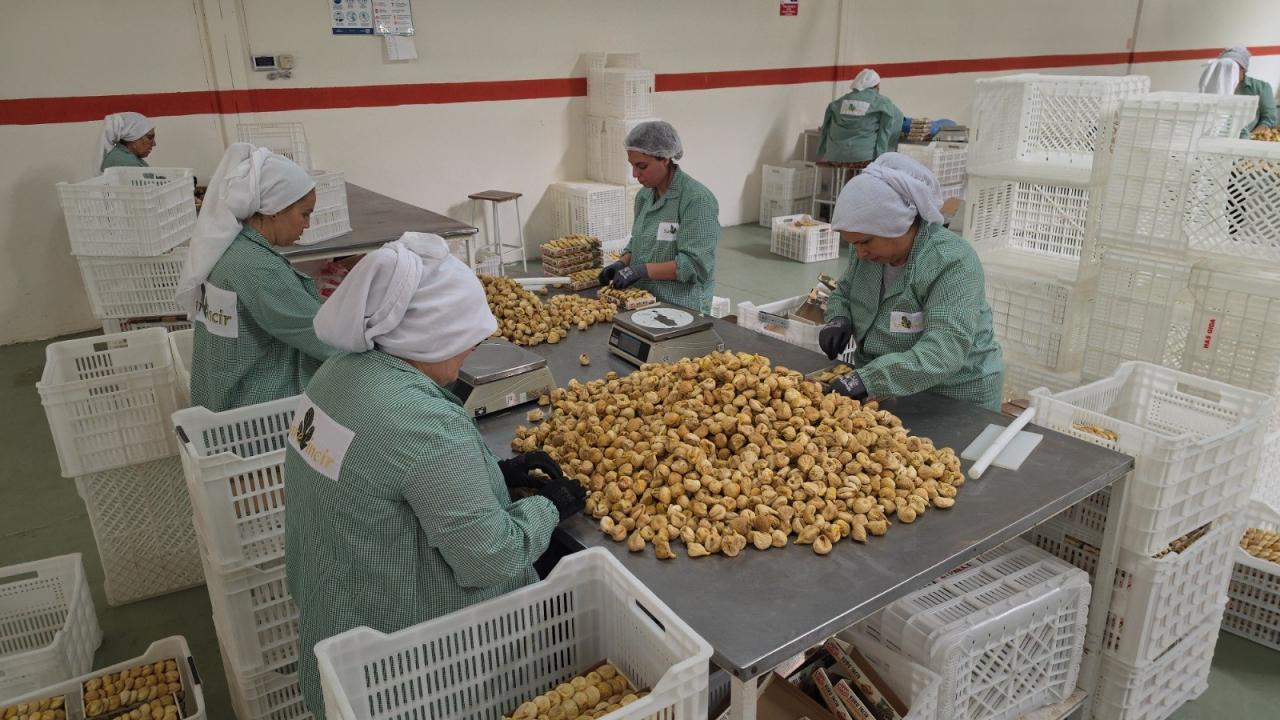
The processing hub is the Nazilli district of Aydin province, where the Sarilop variety is grown. Figs dried in the open air are graded and packed by hand at local plants that are working for both export and the domestic market. Some of these businesses have been exporting figs from the district for around 20 years.
Nuri Arslan, chairman of the Nazilli Chamber of Commerce, said the crop rose 50 percent this year because of abundant rain. Adding the sharply reduced share of substandard fruit, he put the effective increase at 70 to 80 percent, and said the larger volume should also make figs more affordable for consumers inside Turkey.
Prices fall behind grower expectations
Bigger supply is already visible in pricing. Arslan said figs are selling 20 to 30 percent below last year's levels. Measured against what growers had expected after the previous season, prices are about 40 percent lower.
He said the chamber expects the current volumes to be sustainable through the season. The gap between last year's price expectations and this year's realised levels is the central commercial issue for the Aydin growing base.
EU controls and ochratoxin rejections
Arslan linked part of the price weakness to tighter European Union testing. He said the EU has increased the rate at which samples are taken from Turkish consignments, and that the problem is ochratoxin, which he said is not visible to the eye and cannot be detected outside a laboratory. Exporters in the district have no capacity to test the product themselves; consignments are checked by accredited laboratories before shipment to Europe.
When tests carried out in the destination market find contamination, the entire consignment is rejected, Arslan said. Freight and all other costs fall on the Turkish exporter, and the goods are destroyed rather than returned to the shipper. He said that risk has made exporters reluctant to ship this year and is one of the main reasons prices have fallen, and he called on Turkish authorities to support exporters and to address what he described as a double standard in EU practice.
Fairs and buyer base
The chamber said it supports members through trade fairs, taking stands at Anuga in Germany, held every two years, and at SIAL in France this year, and bringing prospective first-time exporters to meet buyers directly.
Cetin Camurcu, a fig processor who has been exporting for more than 20 years, said his company ships to 17 to 18 countries, mainly in Europe, sourcing from the area running from Nazilli to Beydag. Huseyin Camurcu, a younger operator in the district, said the priorities for this season are quality, food safety and sustainable exports, and described dried figs as a Turkish brand in world markets rather than only an agricultural commodity.