Turkey’s peach glut pushes farmgate prices below costs while retail reaches 100 lira
A strong peach and nectarine crop has pushed Turkish wholesale buying prices to 15–17 lira per kilogram, below production costs approaching 20 lira. Slower exports, limited storage and labor expenses are increasing pressure on growers even as retail prices reach 100 lira.
Large crop reverses last season’s shortage
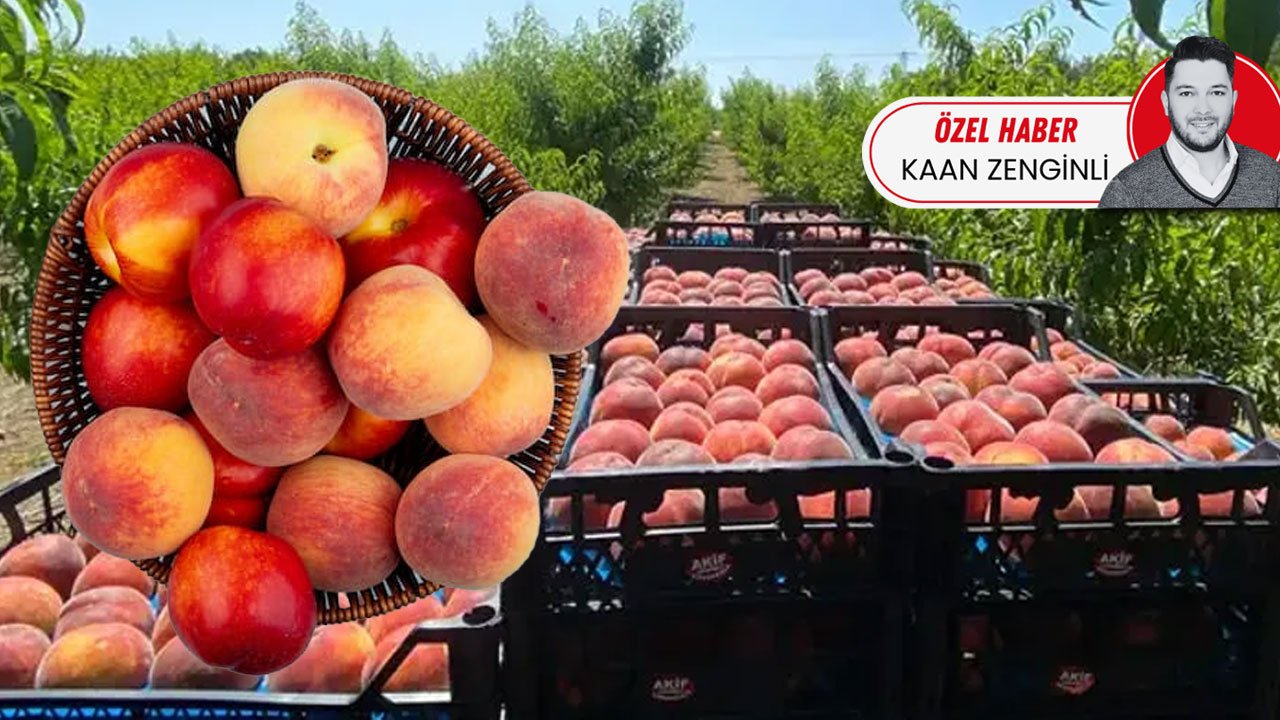
Turkey’s peach and nectarine growers are facing farmgate prices below production costs after a plentiful harvest increased domestic supplies and export demand weakened. Türkiye Gazetesi reports that major retailers are buying fruit for 15–17 Turkish lira per kilogram, while production costs have approached 20 lira. The newspaper’s headline says fruit purchased for 15 lira can be sold in stores for 100 lira, highlighting the widening gap between grower and consumer prices.
The current abundance follows severe frost damage in the 2025/2026 season. According to Türkiye Gazetesi and Mynet Finans, national peach and nectarine production fell by as much as 45% to 649,000 tonnes, while losses exceeded 90% in some orchards. Trees are carrying much more fruit this year, but the recovery in volume has coincided with higher input costs and a smaller export market.
Labor accounts for nearly half of expenses
Growers say daily wages have reached 2,000 lira and pruning costs 2,500 lira, taking labor’s share of total expenses close to 50%. Bursa producer Mehmet Yılmaz told Türkiye Gazetesi that labor alone costs about 70,000 lira for a two-decare orchard containing roughly 100 trees. Pesticides, fertilizer, diesel and irrigation lift the total cost toward 150,000 lira.
At an average yield of 80 kilograms per tree, Yılmaz calculates that each kilogram costs approximately 19–20 lira to produce. A wholesale price of 15–17 lira therefore leaves growers who hire workers losing money on every kilogram. Producers able to provide their own labor may remain viable, but commercial orchards with hired crews face much greater pressure.
Export slowdown leaves fruit on domestic market
Türkiye normally exports an estimated 15–20% of its peach and nectarine production, or about 150,000–200,000 tonnes of fresh fruit, according to Türkiye Gazetesi. Russia is the largest market, followed by Germany, Romania, Iraq and other Middle Eastern countries. The remaining 80–85% is consumed fresh domestically or processed by the juice industry.
Growers cited by the newspaper say inflation and the managed exchange rate have made Turkish fruit expensive abroad. Slower exports have consequently redirected more supply into a domestic market unable to absorb it. Adana nectarine producer Ahmet Demir said large buyers were close to stopping purchases. Fruit that cannot be sold fresh is being diverted to juice plants, where the price had been 7 lira per kilogram and could reportedly fall to 5 lira because of excess supply.
Short storage window raises risk of losses
Peaches and nectarines cannot be stored for periods comparable with apples or pears. The reports put their maximum life in cold storage at only one to two months. With several months of the season remaining and purchases already slowing, growers have little room to wait for better prices and may be forced into distress sales.
Türkiye Gazetesi identifies Bursa as the country’s main center for fresh and processing peaches. Mersin and Adana lead the early harvest, Çanakkale’s Lapseki district specializes in large export-quality peaches, and İzmir’s Selçuk district is an important nectarine center. Without emergency support or easier access to export markets, the reports warn that thousands of tonnes could fail to find buyers even below cost and may be left to rot on trees in the coming weeks.