Turkey opens 2026 fresh fig export season with $100 million revenue target
Turkey has started its 2026 fresh fig export season after shipping 20,112 tonnes worth $94 million in 2025. A larger crop, sustained European demand and discounted air cargo underpin the new $100 million target.
Season opens with a higher revenue goal
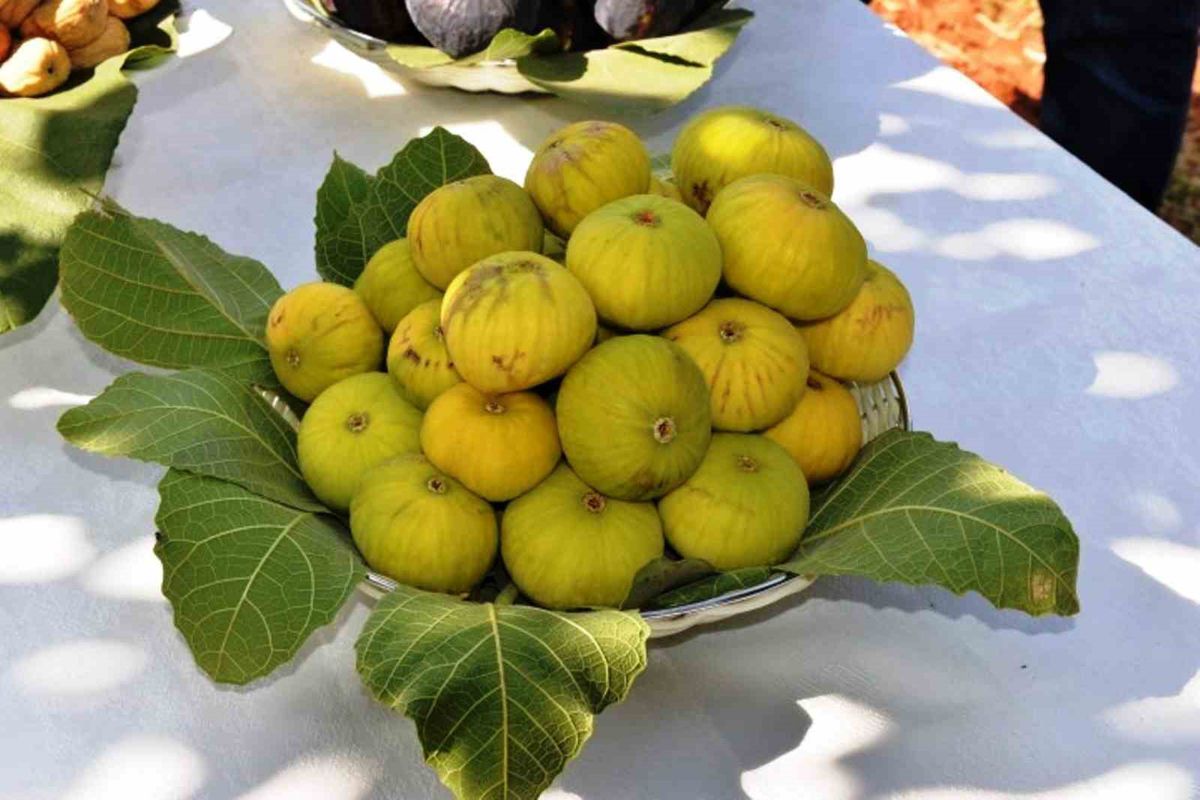
Turkey has begun its 2026 fresh fig export season, setting a revenue target of $100 million after earning $94 million from the product in 2025. Shipments of Bursa Black and Sarılop figs are now under way, with Aydın’s geographically indicated Sarılop crop entering international markets as harvesting begins.
Turkey exported 20,112 tonnes of fresh figs in 2025, according to Cengiz Balık, chairman of the Aegean Fresh Fruit and Vegetable Exporters’ Association. Black figs generated $76 million of the total, while fresh Sarılop figs accounted for $17 million. Those figures place the two varieties at the centre of Turkey’s fresh fig trade and provide the base for the industry’s latest growth target.
Larger crop expected in Aydın
Climate conditions have supported production, and the industry expects the new crop to exceed last year’s volume. Product quality is also forecast to meet the requirements of export markets. Haberler.com reported that a high yield is anticipated for Aydın’s Sarılop figs, one of the province’s signature agricultural products.
The expected increase in supply will give exporters more fruit to market, but fresh figs have a short shelf life and require rapid handling. Export performance will therefore depend not only on harvest volume but also on grading, cold-chain management and the ability to move fruit quickly to buyers. Maintaining quality during transport is particularly important for high-value fresh produce destined for distant markets.
Europe remains the core market
Germany, Russia and Austria were the leading destinations cited for fresh figs from Aydın. The sector expects strong demand to continue in its traditional markets, particularly across Europe. At the same time, exporters are working to expand sales in alternative destinations in the Far East and Gulf countries, according to reports by Haberler.com and Yeni Akit.
That market diversification could widen the customer base, although longer routes increase the importance of transit time and temperature control. European buyers benefit from Turkey’s geographical proximity, while destinations in Asia and the Gulf are more dependent on fast logistics. Exporters will need to balance freight costs against the higher value obtainable from delivering premium fruit in good condition.
Discounted air cargo supports expansion
The discounted airfreight arrangement between the Turkish Exporters Assembly and Turkish Airlines, renewed for a seventh time through their Turkish Cargo cooperation, is expected to support fresh fig exports during the 2026 season. Balık said the program was particularly relevant for value-added products for which preserving freshness is critical.
The revenue target represents an increase of $6 million from the previous season’s result. Reaching it will require the anticipated larger crop to be converted into saleable export-grade fruit while demand holds in Europe and new markets absorb additional volumes. For growers and packers, the start of the season brings the prospect of higher throughput; for exporters, execution in logistics and quality control will determine whether Turkey can turn its production advantage into $100 million in fresh fig sales.