Turkey: imported apricots blended with Malatya fruit and re-exported through free zones, industry body says
Apricots bought in Uzbekistan and Iran for about $2 are being mixed with Malatya fruit and shipped from free zones in Izmir and Mersin as Malatya apricots at $8 to $10, the head of Malatya's chambers of agriculture coordination board told Aydinlik. He said August exports fell to 3,000 tonnes from 9,000 tonnes a year earlier as European buyers identified the substituted origin.
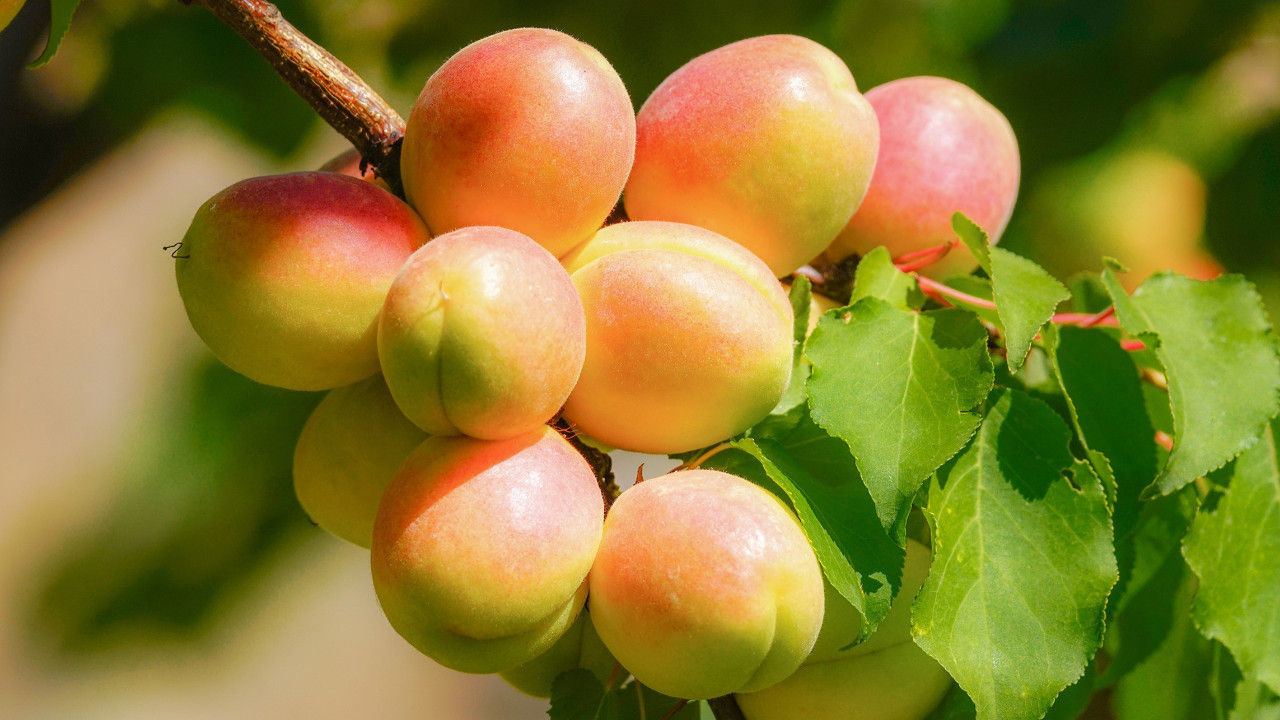
Apricots imported from Uzbekistan and Iran for about $2 are being mixed with Malatya fruit and shipped out of Turkish free zones as “Malatya apricots” at $8 to $10, according to Yunus Kılınç, head of the Malatya Provincial Coordination Board of Chambers of Agriculture and of the Yazıhan Chamber of Agriculture, in comments published by the Turkish newspaper Aydınlık.
Kılınç said Turkey is the world's largest apricot producer with an output of 750,000 tonnes, most of it grown in and around Malatya, whose name has become the commercial identity of the crop. The blending operation, he said, runs through the free zones of İzmir and Mersin, where exporters can bring in foreign fruit and ship it onward to third countries.
How the re-export chain works
“They export the product they bought abroad to other countries via Turkey,” Kılınç told Aydınlık. “Exporters can bring apricots from outside into the free zones in İzmir and Mersin. Apricots arriving in Turkey are mixed with Malatya apricots and receive the Malatya apricot emblem.”
He said he had raised the issue with the Agriculture Minister and was told there were no imports, while in his account the Trade Ministry “works entirely in favour of the exporter”. Aydınlık puts the landed cost of the imported fruit at $2 against an export price of $8 to $10 for the mixed consignments; the paper's headline cites the $10 level.
Quality gap and falling shipments
Kılınç described the difference between the two origins in processing terms. Malatya apricots, he said, have high aroma and sugar content, while the alternatives are more acidic; ungrafted local fruit of comparable quality is used only for compote. The clearest commercial marker is the drying ratio, which determines how much fresh fruit a processor must buy for each kilogram of dried product.
- Malatya fruit: 4 kilograms fresh yield 1 kilogram dried, according to Kılınç
- Uzbek fruit: 8 kilograms fresh are needed for 1 kilogram dried
- August exports: 3,000 tonnes this year against 9,000 tonnes in the same month last year
According to Kılınç, European buyers have identified the substitution and are stepping back from purchases. “Europe now refrains from buying apricots. They understood, they say: ‘This is Uzbek apricot!’ When quality fell, we also lost the market,” he said, adding that producers have not merely lost one season's income but their outlet.
Storage bottleneck
Unsold fruit is staying with growers, and Kılınç said licensed storage in Malatya is far too small to absorb it. The province has one licensed warehouse with a capacity of 6,000 tonnes against a dried apricot crop of 67,000 tonnes this year, meaning roughly one tenth of the harvest could be stored.
He said the warehouse has been handed over to the commodity exchange, and questioned whether farmers' lots would be accepted while exporters' stocks are present. High moisture content was used as grounds for refusal, he said, and growers have stopped bringing product. “The apricots coming from outside have to be used up before Malatya apricots get their turn,” Kılınç said.
Input costs and market access
Kılınç linked the situation to production economics, saying diesel and fertiliser prices need to come down first. He cited diesel at 90 lira and fertiliser at 2,500 lira for producers, and said the increase in input costs and the effects of the war on costs could be overcome, but the marketing problem could not be solved without state action.
Fruit and vegetable growers face the same pressure, he said: exports have stopped, produce that previously went to Russia and a range of other countries is no longer moving, and tomatoes are being sold in the field at 2 to 3 lira. The Ministry has introduced production planning for 13 products, and Kılınç argued fruit and vegetables should be added, with output matched to what can actually be sold. A wholesale market law that had been discussed was never enacted, he said.