Turkey’s Global Fig Leadership Faces Rising Cost Pressure in Aydın
Turkey accounts for 28% of global fig production and is a major dried-fig exporter. Growers in Aydın say prices of around 150-160 lira for quality figs are failing to keep pace with fuel, fertilizer and labor costs.
Global leadership meets pressure at farm level
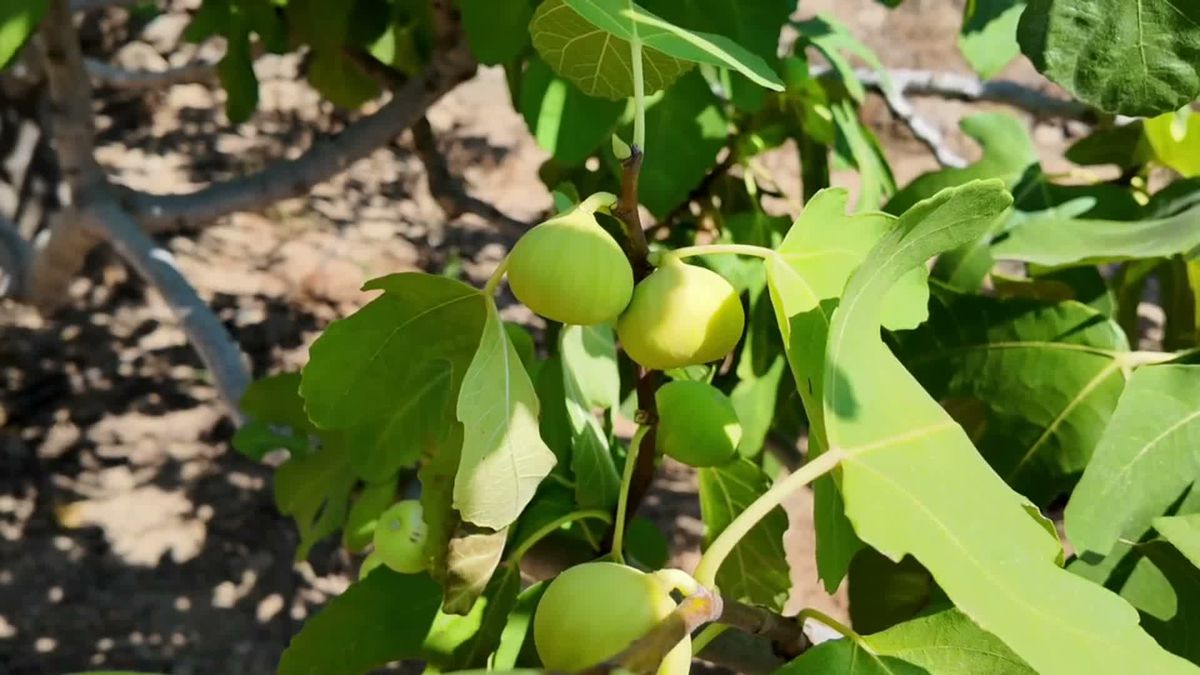
Turkey ranks first in global fig production with a 28% share, according to Agriculture and Forestry Minister İbrahim Yumaklı. The country is also a major exporter of dried figs, giving conditions in its orchards direct significance for processors, traders and international buyers.
That leading position is coming under pressure at farm level in Aydın, one of Turkey’s principal fig-producing regions. As harvesting continues, growers in Nazilli say increases in diesel, fertilizer, labor and other production expenses are outpacing the prices offered for their crop. Their complaints point to a widening gap between Turkey’s strength in the global market and the returns received by primary producers.
Growers say quality fruit is selling too cheaply
Producer Osman Toparlak told ANKA News Agency that figs are sorted in the orchard according to quality, but even good fruit is finding buyers at lower prices than in previous years. He estimated that quality figs delivered to traders this year could sell for about 150-160 lira. Toparlak said diesel costs 84 lira, while fertilizer has also become expensive.
Conditions in the mountainous production area add another layer of expense. Toparlak said he uses an animal to plow because of the terrain and that one day of plowing now costs 8,000 lira. Labor charges further increase the burden, while growers must also pay for caprification material, known locally as ilek, which is needed for fruit development.
Toparlak said a price of 200-250 lira for figs would give farmers room to cover diesel, fertilizer and household needs. His figures imply a gap of at least 40 lira between the top of the reported current range and the bottom of the price range growers consider sustainable. The comparison is a producer’s assessment rather than an official market benchmark, but it illustrates the margin pressure facing orchards.
Quality controls and alternative products
Eycelli neighborhood head İbrahim Kılıç said the local economy depends heavily on figs and olives. He argued that deductions create a difference between the price received in the village and the value later captured in the trading chain. Farmers who sort and hold their own figs can sometimes sell them at higher prices in winter, he said, while immediate sales to traders produce substantially lower returns.
Kılıç also alleged that low-quality or rotten figs are processed and marketed as quality fruit. He warned that mixing figs brought from outside the area with Aydın produce could damage the region’s reputation, and called for local and organic products to be kept separate and priced accordingly. These claims have not been accompanied by inspection data in the available reports, but they highlight growers’ concerns over traceability and quality differentiation.
Some producers are already seeking additional revenue beyond conventional fig sales. Grower Gamze Toparlak said her family makes fig chips and processes fresh green figs, alongside producing organic tomato paste and olive oil. Such diversification may capture more value locally, but the immediate demand from growers remains better farmgate returns and public support. With Turkey supplying 28% of world production and holding an important position in dried-fig exports, persistent pressure on Aydın’s orchards could affect investment, crop care and the quality available to processors and overseas buyers.