High timber-board prices push Spanish furniture buyers toward engineered materials
A Spanish carpenter cited scarce and rapidly rising timber-board prices in Spain and Europe when explaining why he no longer builds wooden walk-in wardrobes. The account published by ABC shows how cost pressure is shifting bespoke furniture toward melamine, MDF, plywood, metal and glass.
Solid wood moves beyond the household budget
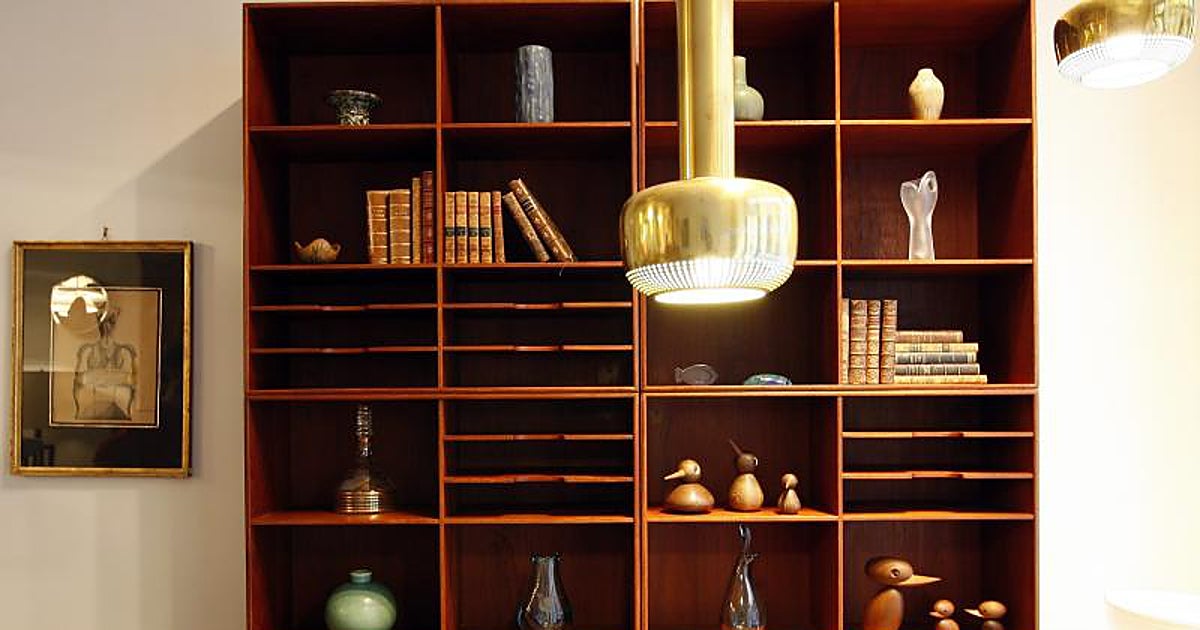
Scarcity and rapidly rising prices for timber boards are making solid-wood furniture increasingly difficult to afford in Spain, according to an account published by ABC. The article describes prospective buyers approaching a village carpenter for a custom wooden walk-in wardrobe, only to learn that he had stopped producing that type of installation in wood.
The carpenter linked his decision to conditions in the board market in Spain and across Europe. He characterized boards as scarce and their prices as rising exponentially, ultimately telling the customers that nobody could now afford a wooden walk-in wardrobe. The source provides no price series, supply volumes or dates for the increase, so it does not establish the scale of the movement across the wider market. It nevertheless offers a direct example of how material availability and cost can change what a small furniture workshop is prepared to sell.
Substitute materials take the order
Instead of wood, the carpenter offered melamine, medium-density fibreboard, plywood, metal and glass. These options cover both engineered wood products and non-wood materials, allowing workshops to retain the function and appearance of fitted furniture without relying on solid timber throughout. For customers, the change means that a bespoke design may remain possible, but its material composition is increasingly determined by input prices rather than preference alone.
The distinction matters for manufacturers and processors. A shift from solid wood toward MDF, plywood and melamine redirects demand toward panel producers, surface-treatment suppliers and distributors of standardized boards. It can also reduce opportunities for traditional cabinetmaking, where the selection, machining and finishing of natural timber are central to the product. The ABC account describes the carpenter as a former cabinetmaker, underscoring the practical change from craft based on solid wood to assembly using a broader material mix.
Cost pressure reaches existing furniture
More expensive new wooden furniture may also alter how households value existing pieces. The article points to a dining table awaiting restoration, a solid-wood wardrobe and a sideboard as examples of furniture that was once common in family homes. When replacement becomes costly, restoration and longer use can become more attractive, although the source supplies no data on repair demand or second-hand prices.
The same cost pressure affects purchasing decisions before a quotation is even issued. In the case described by ABC, the customers abandoned the project without requesting a formal price after learning that the carpenter would not build it in wood. That response illustrates a risk for bespoke workshops: high input costs can eliminate demand at the planning stage, leaving neither a wooden order nor a confirmed sale in an alternative material.
Forest policy enters the debate
ABC’s opinion article connects expensive timber with a broader argument about forest management, regulation and wildfire fuel. It contends that rules limiting the use of forest resources have helped remove wood from homes and left more biomass exposed to fire. The source does not identify specific regulations or provide forestry, harvesting or fire statistics, so that argument should be treated as the author’s interpretation rather than a demonstrated cause of board scarcity. For furniture-market participants, the verifiable commercial signal in the account is narrower: at least one Spanish workshop sees solid timber as too expensive for a fitted wardrobe and is steering customers toward panels and other substitutes.