Thailand tightens food-market controls as floods drive up vegetable prices
Thailand’s Commerce Ministry has stepped up supply monitoring and price inspections as floods disrupt vegetable production and distribution. The ministry asked some producers and exporters to slow exports by 30-50% for 2-3 weeks while preparing discounted goods at more than 12,000 locations nationwide.
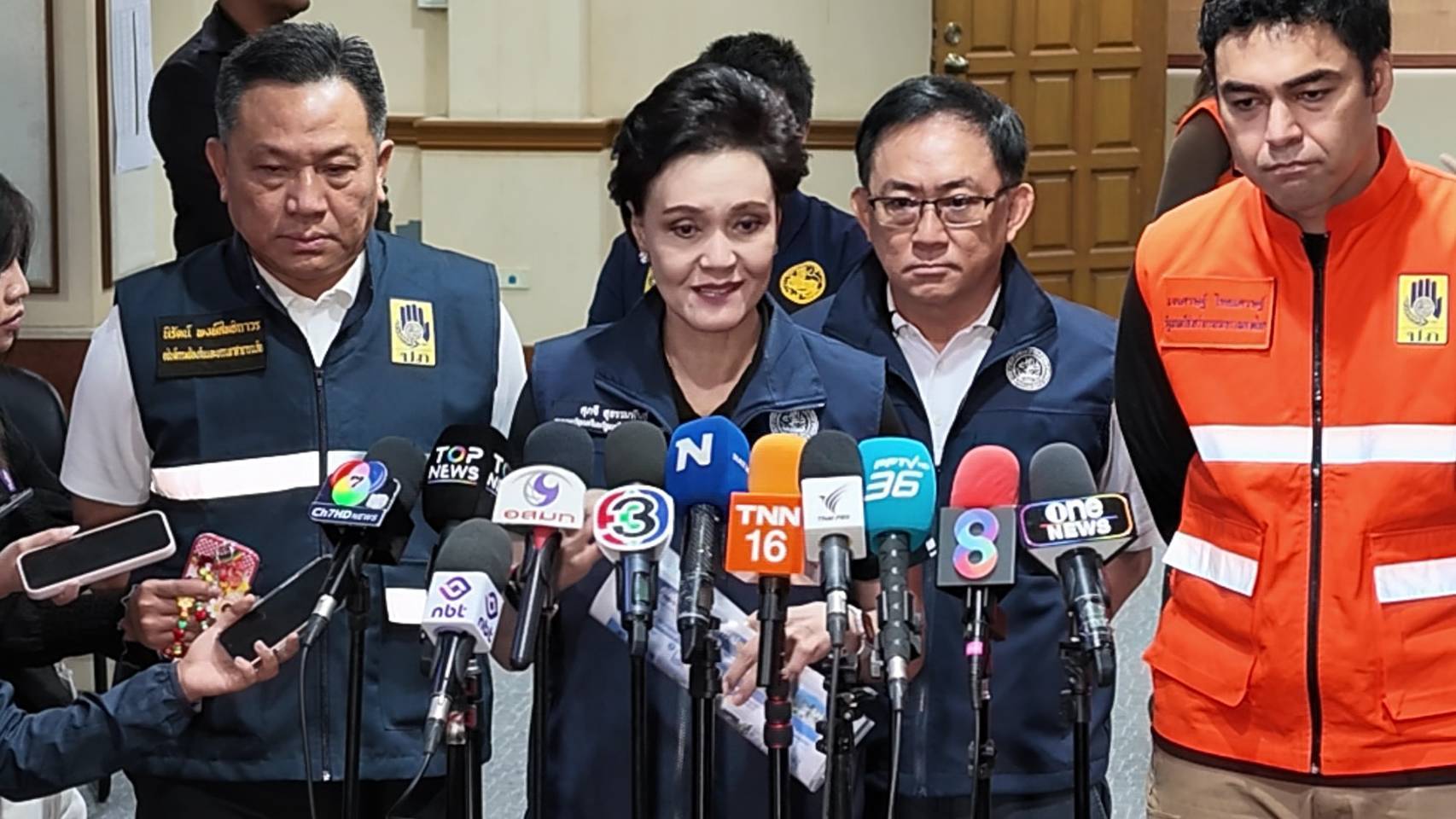
Commerce Ministry moves to protect domestic supplies
Thailand’s Commerce Ministry is tightening oversight of food supplies and retail prices after flooding disrupted agricultural production and transport in several provinces. According to Naewna, Deputy Prime Minister and Commerce Minister Suphajee Suthumpun said the government was coordinating deliveries of relief bags, food and other essential goods to communities where high water had made normal road access impossible.
Flood levels in Prachin Buri and Sa Kaeo were reported to be particularly high. The ministry coordinated with the Defence Ministry to use suitable vehicles to carry supplies into Kabin Buri district. Its immediate focus includes perishable products such as fresh vegetables and chicken eggs, which face a heightened risk of local shortages and sharp price increases when roads, farms and wholesale channels are disrupted.
Export restraint requested for 2-3 weeks
The Commerce Ministry has held discussions with the egg producers’ association and with wholesale and retail operators to assess available stocks. Businesses were asked to report supply volumes to the Department of Internal Trade every week. The ministry also requested that operators and producers slow exports by at least 30-50% for 2-3 weeks so that more goods remain available for the domestic market.
The request represents a temporary supply-management measure rather than a reported formal export ban. For producers and exporters, it could delay overseas shipments and increase short-term availability inside Thailand. For domestic wholesalers and retailers, the weekly reporting requirement gives authorities a clearer view of inventories during a period when transport interruptions can produce highly localized shortages.
Officials are also increasing inspections aimed at businesses suspected of hoarding goods or imposing unusually large price increases. Consumers who encounter excessive pricing can report it through hotline 1569. In Bangkok, surrounding provinces and other areas where floodwater has begun to recede, the ministry plans to provide cleaning and repair equipment to support recovery work.
Vegetable prices rise sharply in Yala
Naewna reported widespread vegetable price increases at the Betong municipal fresh market in Yala. Flooding damaged crops intended for sale, prevented harvesting in some areas and caused produce to rot. Farms that escaped inundation were unable to grow vegetables quickly enough to meet demand. Traders also pointed to rising fuel and freight costs as an additional source of pressure.
Long beans rose from 45 baht to 70 baht per kilogram, while spring onions and coriander increased from 150 baht to 200 baht per kilogram. Cabbage climbed from 60 baht to 80 baht, and Chinese water spinach advanced from 80 baht to 100 baht per kilogram. Traders said most vegetables had become 10-20 baht per kilogram more expensive, with some products unavailable on certain days. Wholesale prices were also fluctuating daily.
Market vendors said their margins remained only 5-10 baht per kilogram because larger markups could leave highly perishable stock unsold. The combination of lost crops, constrained transport and limited shelf life means price pressure can pass rapidly through the market even when traders retain little additional profit.
Discounted-goods program to cover 12,000 locations
Beyond the immediate emergency response, the ministry plans to deploy its Thai Chuai Thai and Blue Flag cost-of-living program at more than 12,000 locations across the country. The initiative is intended to give consumers access to lower-priced essential goods. Its effect will depend on whether supply can reach affected communities consistently while flooded farms and distribution routes recover.