Thailand Steps Up Oversight of Feed Mills’ Domestic Corn Purchases
Thailand’s Department of Internal Trade is increasing scrutiny of feed mills and collection points as domestic feed corn reaches the market. At CPF’s Ratchaburi plant, corn with moisture of no more than 14.5% was priced at 9.75-10.10 baht per kilogram depending on grade.
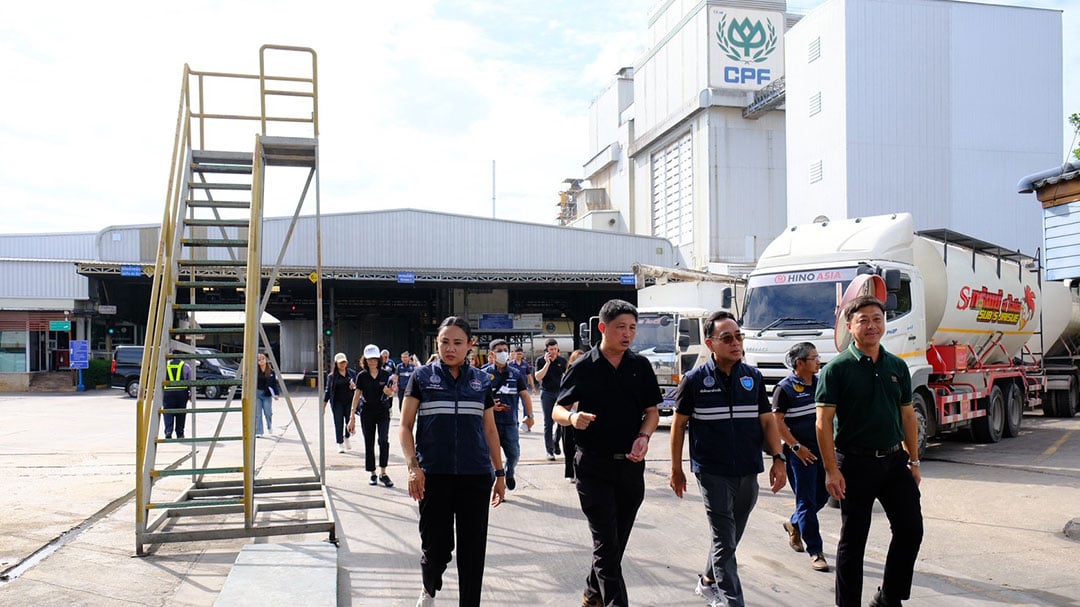
Thailand monitors purchases during harvest arrivals
Thailand’s Department of Internal Trade, under the Commerce Ministry, is tightening oversight of animal-feed plants and collection points as domestic feed corn gradually enters the market. The department said it wants purchases from Thai farmers to comply with government announcements and rules, while preventing harvested corn from being left without buyers.
Department Director-General Wittayakorn Maneenetr outlined the measures after inspecting CPF’s animal-feed plant in Ban Pong district, Ratchaburi province. The facility purchases corn as a raw material for feed production. According to Naewna, officials are monitoring purchasing conditions closely to ensure fair treatment of farmers.
The intervention follows concerns reported by growers in some areas about purchasing prices and the management of delivery queues. The department said it had accelerated inspections of feed mills and buying locations and instructed operators to continue accepting farmers’ crops fairly as supplies arrive.
CPF posts prices by grade and quality
At the inspected CPF plant, corn with moisture content not exceeding 14.5% was being purchased under a three-tier schedule. Grade 1 corn was priced at 10.10 baht per kilogram, Grade 2 at 9.80 baht per kilogram and Grade 3 at 9.75 baht per kilogram. The schedule establishes separate prices according to the type and quality of the corn.
Officials found that the plant’s feed production capacity was aligned with its product stocks. The facility could still receive additional corn up to its full production capacity, providing an outlet for more of the crop currently reaching the market.
CPF procurement representative Woradet Akkarapornwor said the plant applies strict procedures to purchasing and corn-quality inspection. He added that it continued to require domestic feed corn and was prepared to receive farmers’ output at its available capacity.
Advance booking controls truck queues
The inspection found no trucks waiting in a queue outside the plant. Suppliers must register and reserve delivery slots in advance, allowing CPF to manage incoming volumes and prevent trucks from accumulating at the entrance. The company has also created a dedicated channel for farmers who deliver corn for sale themselves.
The Ratchaburi plant currently buys feed corn through aggregators sourcing from Kamphaeng Phet, Nakhon Sawan and Phetchabun provinces. The booking system therefore affects both organized collection flows and direct farm deliveries.
Enforcement covers prices, weights and moisture
The Department of Internal Trade said monitoring would continue at feed plants and aggregators nationwide. Its requirements cover purchase prices, quality inspection, weighing and moisture measurement, all of which directly influence the amount farmers receive and whether their corn qualifies for a particular grade.
Wittayakorn said the department would investigate and take legal action when purchases fail to comply with official announcements or government criteria. The stated objective is to protect farmers from unfair treatment while maintaining balance among participants in Thailand’s feed-corn supply chain.