Thailand targets larger share of Japan’s 1-million-tonne banana import market
Thailand is stepping up efforts to sell premium bananas in Japan, which imports about 1 million tonnes of fresh bananas annually. The commerce ministry plans to bring Japanese importers to Thai growing areas to meet farmers and suppliers and encourage orders.
Thailand seeks room in a major import market
Thailand is seeking a larger share of Japan’s fresh banana market as part of a broader campaign to expand sales of Thai agricultural and food products. Japan imports about 1 million tonnes of fresh bananas each year, according to Thansettakij, making the country a substantial destination for producers and exporters able to meet its quality requirements.
More than 80% of Japan’s banana imports come from countries in the Association of Southeast Asian Nations. That sourcing pattern gives Thailand regional proximity to the market, but it also places Thai suppliers in direct competition with established Southeast Asian exporters. The commercial challenge is therefore not simply to generate demand for bananas, but to persuade importers that Thai fruit can deliver consistent quality, volumes and supply reliability.
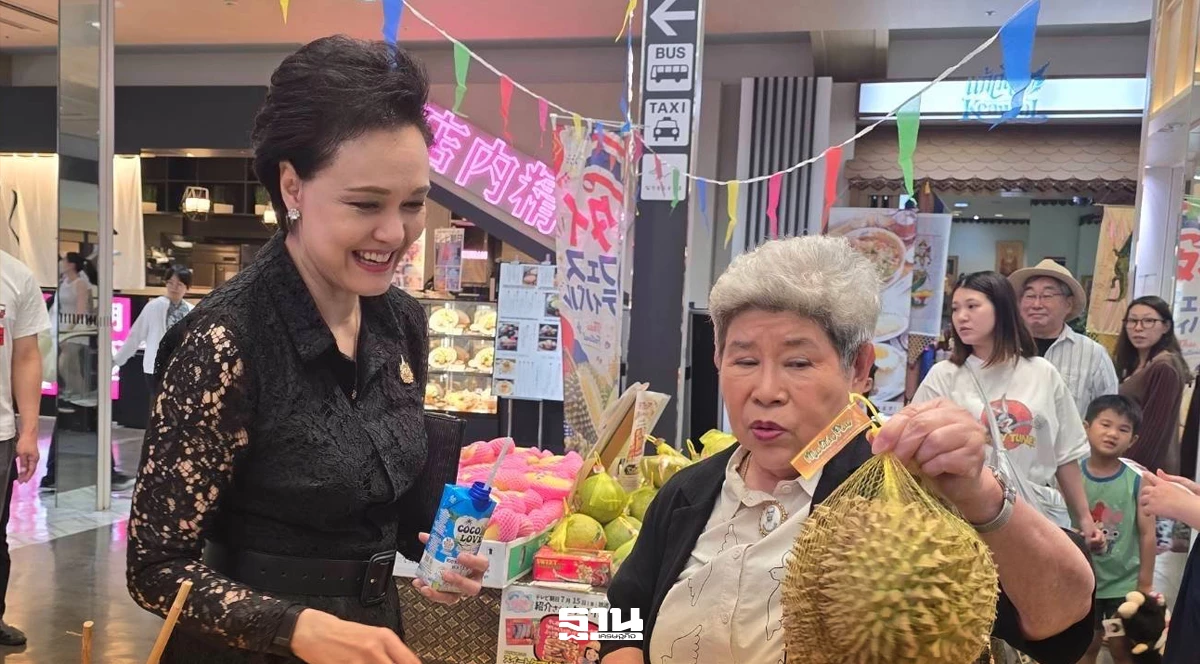
Deputy Prime Minister and Commerce Minister Suphajee Suthumpun discussed the export initiative during a visit to Japan. She met Pimjai Matsumoto, an honorary adviser on international trade, and Nobuo Shirahama, a Japanese specialist in banana development, to exchange market information and review progress in bringing Thai premium bananas to Japanese consumers.
Importers to visit Thai production areas
Thailand’s Department of International Trade Promotion plans to arrange a visit by Japanese importers to banana-growing areas in Thailand. The buyers are expected to meet farmers and business operators, inspect production conditions and assess potential suppliers. The stated objective is to build confidence and convert the promotional effort into purchase orders.
Direct contact between importers and growers will be important because Japan’s scale of demand does not automatically translate into market share for Thailand. Suppliers must demonstrate that production, post-harvest handling and commercial coordination can support repeat business. For farmers and exporters, the importer visits offer an opportunity to clarify buyer specifications before committing land, labor and logistics to expanded output.
The initiative focuses on premium bananas rather than competing solely on volume. Japan’s annual imports provide a large addressable market, but the fact that more than four-fifths already comes from ASEAN indicates that Thai exporters will have to win business from suppliers operating within the same region. Progress will depend on whether meetings in Thailand produce sustained procurement rather than isolated promotional shipments.
Thai fruit already has a foothold
During the Japan visit, Suphajee also joined a Thai food and fruit promotion at an AEON store in Narita. Thansettakij reported strong consumer interest in Thai products, particularly durian, whose acceptance and popularity have continued to increase. Mangosteen, pomelo, Thai foods and snacks were also attracting Japanese shoppers, especially during weekends.
The minister additionally visited Kaew Jai, a Thai restaurant in Chiba Prefecture that carries the Thai SELECT certification and has served traditional Thai food for more than 25 years. The existing recognition of Thai fruit and cuisine provides a useful platform for banana promotion, although bananas have different supply-chain and purchasing requirements from restaurant meals or higher-value tropical fruit. The next test will be whether Thailand can turn that wider familiarity into regular banana contracts in a market importing about 1 million tonnes a year.