Thailand secures US importer deals for tariff-exempt cassava starch
Thai cassava starch suppliers reached commercial agreements with major US importers during trade talks in Illinois on July 15–17, 2026. An exemption under Annex A of the US Section 301 measures strengthens the product’s competitiveness, while Thailand is also developing demand for cassava pellets in the UAE.
Thai suppliers reach agreements with US importers
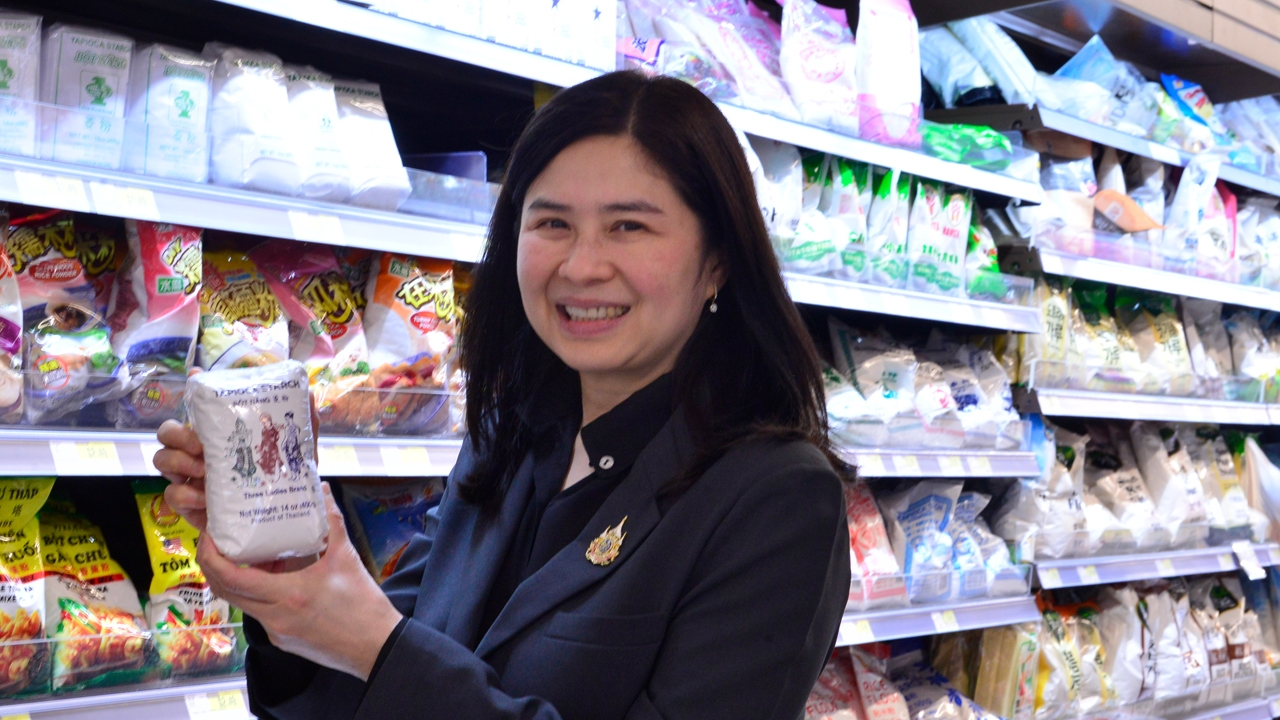
Thai cassava starch exporters have reached commercial agreements with major US importers after a government-led delegation held talks in Illinois from July 15 to 17, 2026. The mission brought together representatives of Thailand’s public sector, cassava starch specialists and private companies to develop business in one of the industry’s target markets.
Arada Fuangtong, director-general of Thailand’s Department of Foreign Trade, said the delegation met the Illinois Economic Development Corporation, the Chicagoland Food and Beverage Network and the Illinois Department of Agriculture. These organizations serve a Midwestern economy with substantial food manufacturing, agricultural processing and logistics operations capable of connecting Thai products with buyers across the United States.
According to Thairath and Naewna, the discussions created opportunities for direct business matching between Thai suppliers and major US importers, resulting in commercial agreements. Neither publication disclosed the companies involved, agreed volumes, contract values or delivery schedules.
Section 301 exemption improves competitiveness
Thai officials identified the tariff treatment available under Annex A of the US Section 301 measures as a central advantage for cassava starch. Large downstream manufacturers told the delegation that Thai starch was already an important production input because of its consistent quality standards. The exemption improves its competitive position as US authorities examine trade measures affecting partners including Thailand.
The delegation also discussed Thai efforts to obtain Section 301 exemptions for additional cassava starch categories. For importers, broader coverage would reduce uncertainty when selecting raw materials and planning purchases. For Thai processors and exporters, it could open more routes into higher-value applications instead of relying primarily on undifferentiated commodity sales.
Products presented to prospective partners included organic cassava starch, cassava flour and modified cassava starch. The Chicagoland Food and Beverage Network expressed interest in their use in food and beverage manufacturing and proposed cooperation with a major regional research institution on value-added food development. It also offered to connect Thai exporters with key buyers through industry-specific focus groups aimed at reaching end users directly.
Food applications and UAE feed demand
The US initiative places particular emphasis on health foods, clean-label formulations and other processed food applications. Access to manufacturers and product-development institutions could help Thai suppliers adapt starch specifications to particular industrial requirements. Illinois also offers a logistical base within the Midwest, allowing suppliers to engage food processors and agricultural businesses in a major production region.
Thailand is pursuing additional outlets for cassava products outside the United States. The Department of Foreign Trade said a large dairy farming company in the United Arab Emirates had begun trialing Thai cassava pellets as an ingredient in animal feed. No trial volume or prospective purchase value was reported. The UAE project involves a different product and end market, but it supports the same policy objective: widening demand, reducing dependence on any single destination and improving price stability for Thai cassava farmers.