Thailand Promotes Low-Carbon Rice as It Raises Agricultural Standards
Thailand is advancing higher agricultural standards focused on quality, safety, product identity and sustainability, with low-carbon rice among the priority products. The initiative asks farmers to change production systems to lower costs, use resources more efficiently and reduce environmental impacts.
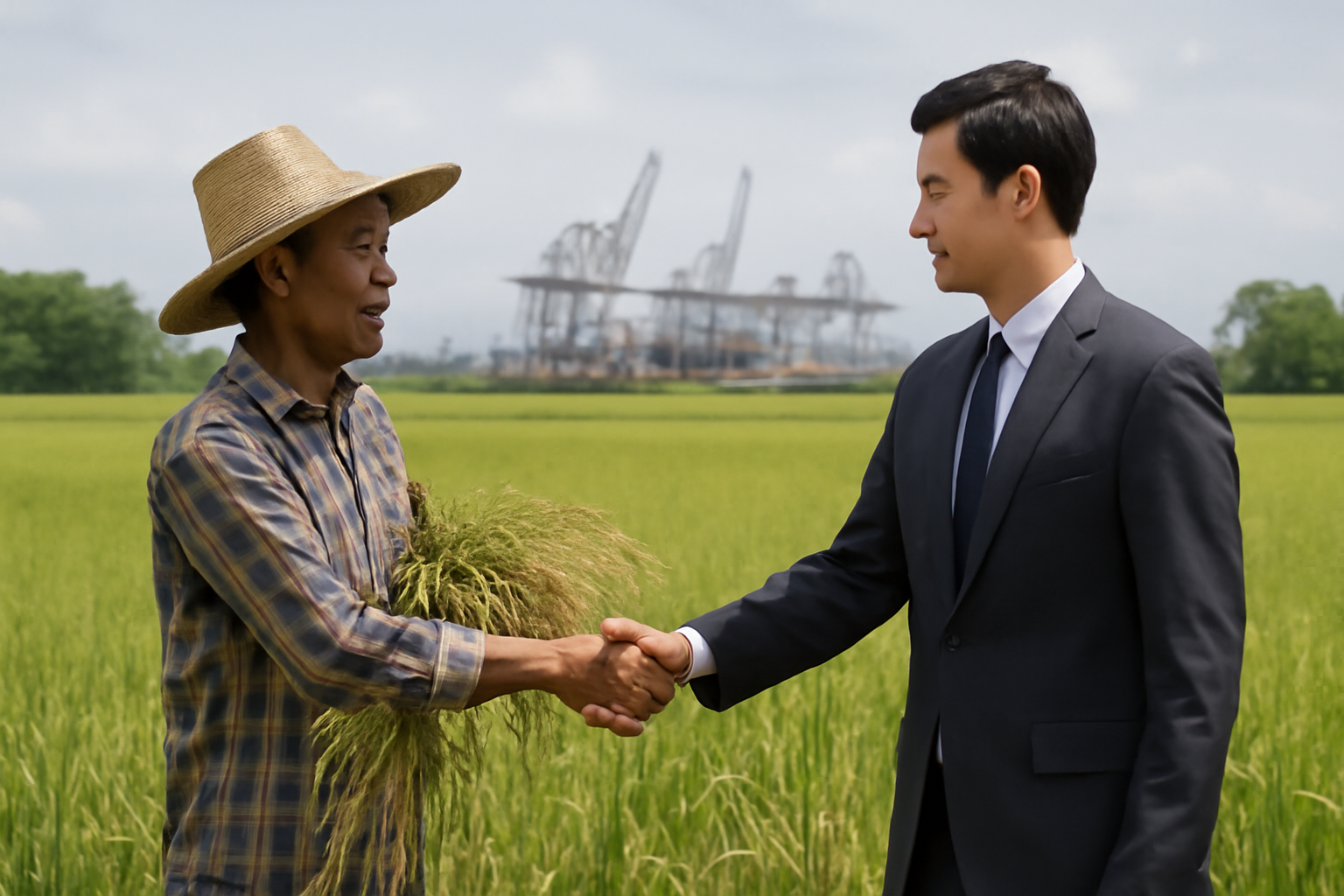
Thailand links farm standards with sustainability
Thailand’s Ministry of Agriculture and Cooperatives is accelerating efforts to raise agricultural product standards as producers face changing competitive conditions. According to Prachachat, the policy is built around four areas: product quality, food safety, distinctive product identity and sustainability. Low-carbon rice is one of the flagship products included in the wider standards drive, alongside wolffia, an edible aquatic plant known locally as pham, and pla ra, a traditional fermented fish product.
The initiative places environmental performance alongside established requirements such as quality and safety. For rice farmers, this means production practices will increasingly be judged not only by output and crop condition but also by their use of resources and effects on the environment. The approach could influence how farms document production, demonstrate compliance and position their crops for buyers seeking stronger sustainability credentials.
Thailand’s Rice Department has invited farmers nationwide to shift toward low-carbon rice production. The department described the model as a modern farming approach intended to reduce production costs, improve the efficiency of resource use and limit environmental impacts. The available announcements do not specify a national emissions target, implementation timetable or mandatory certification threshold.
Farm practices and compliance come into focus
The push creates a practical test for farmers and processors because improving standards requires production systems that can consistently deliver measurable quality and safety. Low-carbon cultivation may also require growers to keep clearer records of farm practices and resource use if environmental claims are to be recognized by processors, retailers or overseas customers.
Cost reduction is a central part of the Rice Department’s message. More efficient use of inputs and other farm resources could support margins while reducing environmental pressure. However, the transition itself may carry expenses related to training, monitoring, farm management and certification. The government’s announcements provided no figures for these costs and did not identify financial support available to participating growers.
That balance will determine how quickly adoption spreads. Large or organized producer groups may find it easier to standardize practices and maintain documentation. Smaller farms could face greater difficulty if compliance systems are complex or if the market premium for low-carbon rice is uncertain. Processors and exporters will therefore have an interest in helping suppliers meet common requirements and in ensuring that sustainability claims remain verifiable throughout the supply chain.
Export competitiveness depends on buyer recognition
For Thailand’s rice industry, higher standards could strengthen product differentiation in international markets. Low-carbon labeling offers a way to compete through production attributes rather than relying only on conventional measures such as grade and price. The same broader policy logic applies to distinctive products such as wolffia and fermented fish, where safety, identity and consistent standards can help formalize market access.
The commercial effect will depend on whether buyers recognize Thailand’s standards and whether compliant products earn better access, stronger demand or price premiums. Without that recognition, producers could absorb additional compliance work without receiving an adequate return. Clear definitions, credible verification and consistency between farms, processors and exporters will be important to avoid fragmented claims.
The standards drive may also affect procurement. Rice millers and exporters could increasingly separate verified low-carbon supplies from conventionally produced rice, while buyers may request more information about cultivation and handling. This would make traceability and recordkeeping more important even though the government has not yet detailed how low-carbon status will be certified.
Implementation details remain decisive
Thailand’s policy direction is clear: agricultural competitiveness is being tied more closely to quality, safety, local identity and environmental performance. What remains unclear is how standards will be measured, who will verify compliance and how transition costs will be shared across the value chain.
Farm participation will depend on whether lower operating costs can offset the burden of changing practices. Export results will depend on acceptance by foreign buyers and alignment with their procurement requirements. Until detailed rules and incentives are published, low-carbon rice remains both a production-efficiency program and a potential market-positioning tool rather than a fully defined commercial category.