Thailand coordinates food distribution as floods disrupt local retail and transport
Thailand’s Department of Internal Trade is coordinating retailers, convenience stores and wholesale markets to maintain supplies during flooding. Pork, poultry, eggs and vegetables will be directed to affected markets while officials monitor transport constraints, availability and prices.
Retail and wholesale networks remain operational
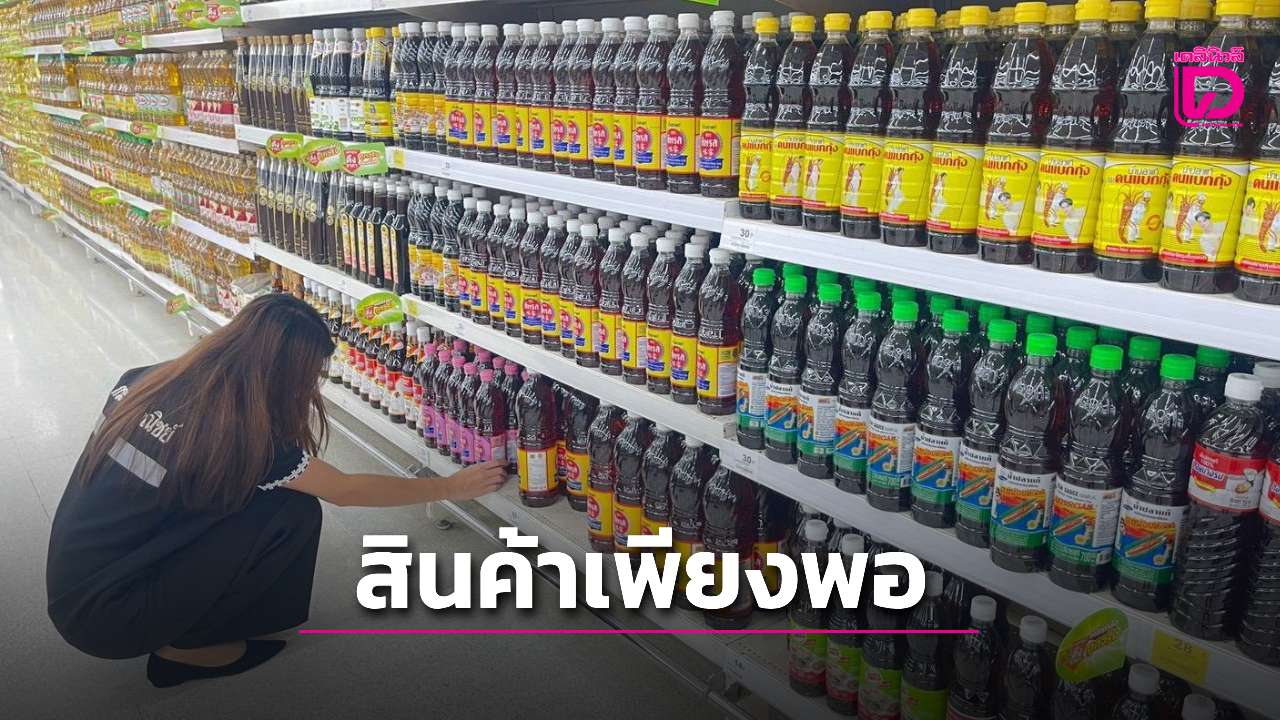
Thailand’s Department of Internal Trade is coordinating retailers, convenience-store operators, fresh markets and wholesale markets to keep essential goods available as floods affect several areas. The action follows increased household purchases for emergency stocks and concerns that transport disruption could leave some communities short of food and consumer necessities.
Department director-general Wittayakorn Maneenetr said Deputy Prime Minister and Commerce Minister Suphajee Suthumpun had instructed officials to monitor the floods and the supply of essential goods closely. On September 27, 2026, the department met representatives of every major distribution channel to assess store operations, inventories, transport and product distribution.
Participants included modern retailers Makro, Lotus’s, Big C, Tops, GO Wholesale, The Mall and Foodland, as well as convenience-store operators 7-Eleven, CJ and Lawson. Representatives of fresh and central markets, local department stores and several large produce markets also joined the talks.
Transport is the main constraint
The overall retail and wholesale system continues to operate, according to the Department of Internal Trade. Modern retail chains are replenishing stocks normally. Some convenience-store branches in flood-affected Bang Kapi, Min Buri and Rangsit, however, face travel and delivery constraints that are preventing normal service.
Most fresh and wholesale markets remain open and have goods available. Flooded roads have nevertheless reduced the number of traders and customers able to reach some locations. Authorities will monitor transport conditions and store and market closures so that support can be directed to places where distribution problems emerge.
The department plans to connect production areas directly with fresh and wholesale markets, focusing on pork, poultry, chicken eggs and essential vegetables. Officials will also work with operators to communicate which stores and branches are open, allowing households to plan purchases and reducing unnecessary journeys through flooded areas.
Vegetable prices move in different directions
Flood effects are not uniform across agricultural products. Prices for delicate leafy vegetables, including coriander, celery and garland chrysanthemum, have risen, while cabbage, tomatoes and cucumbers have become cheaper. The department will track output, weather and transport costs and deploy inspection teams to deter opportunistic or unfair price increases.
Officials expect vegetable supplies to remain manageable for the vegetarian festival from October 10 to 18, 2026, provided that additional heavy rain does not damage growing areas or transport routes. The department said it would continue coordinating with businesses as conditions change. Consumers can report shortages, distribution failures or unfair prices through the department’s 1569 hotline.