Thai feed producers reject old corn pricing rules as market reaches 12-14 baht per kg
Thai animal feed producers are refusing to purchase corn under the existing pricing system after market prices rose to 12-14 baht per kilogram. The range is well above the official price-control ceiling of 9.80 baht per kilogram and is putting feed supply contracts under pressure.
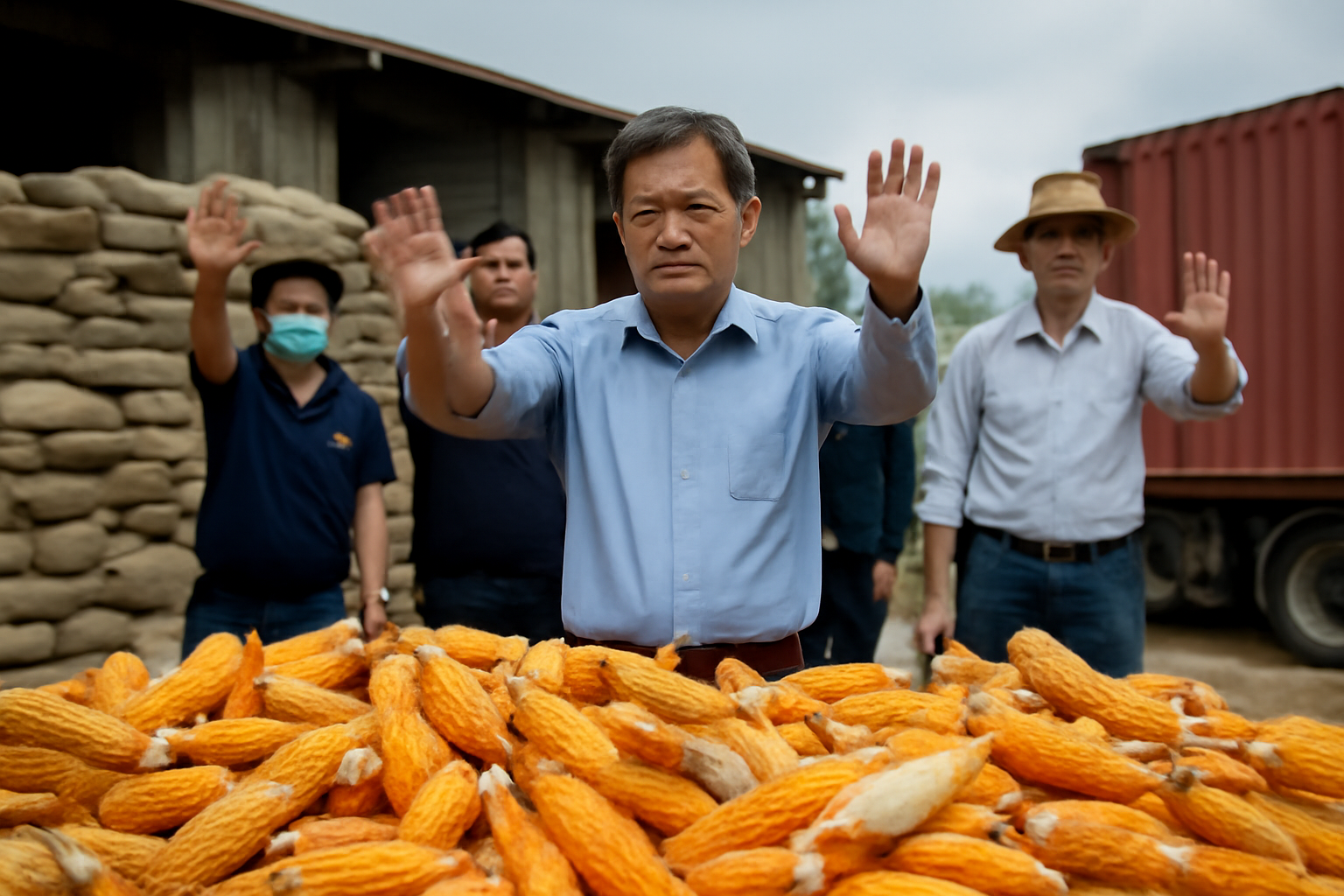
Market price moves above the official ceiling
Thailand’s animal feed industry is challenging the country’s existing corn purchasing rules after market prices climbed to 12-14 baht per kilogram. Feed producers say they will no longer buy corn under the previous framework, which is based on an official price-control ceiling of 9.80 baht per kilogram.
The gap between the regulated level and the price available in the physical market has reached 2.20-4.20 baht per kilogram. That leaves feed manufacturers unable to secure corn at the reference price used in the existing system and exposes them to higher raw-material costs when they purchase at prevailing market rates.
Producers say the mismatch has already caused heavy losses. They are demanding that the old criteria be abandoned and that the reasons behind failed supply contracts be identified. No figures have been provided for the volumes affected, the number of contracts at risk or the duration of the disruption.
Feed supply contracts face pressure
Corn is a key input for animal feed, so the dispute directly affects manufacturers’ ability to price and fulfil supply agreements. A contract calculated around corn at 9.80 baht per kilogram becomes harder to execute when replacement supplies cost between 12 and 14 baht.
The immediate issue is not simply that corn has become more expensive. The official ceiling no longer reflects the price at which buyers report that physical grain is available. Unless purchasing terms are revised or market prices fall, feed producers must either absorb the difference, renegotiate contracts or limit purchases made under the old rules.
For livestock and poultry supply chains, uncertainty over feed procurement can complicate production planning even before any shortage emerges. Feed buyers need visibility on both price and availability, while corn sellers need contract terms that correspond to the market. The current gap makes it difficult for the two sides to agree on a workable reference price.
Importers and exporters watch the price gap
The dispute could also influence trade decisions, although no import or export volumes have been reported. If domestic corn remains at 12-14 baht per kilogram, feed manufacturers may compare that cost with alternative supplies, subject to Thailand’s applicable import conditions. Exporters serving Thailand would likewise assess whether delivered prices can compete with the domestic market.
However, the available information does not establish that additional imports have been ordered or that domestic corn purchases have stopped across the entire industry. The stated refusal concerns buying under the old pricing rules. The commercial outcome will depend on whether buyers, sellers and the authorities can establish terms that reflect actual transaction prices.
For market analysts, the central indicator is the persistent 2.20-4.20-baht gap between the official ceiling and reported market prices. A narrowing of that difference would reduce pressure on feed contracts. If it remains, the disagreement is likely to continue disrupting procurement decisions throughout Thailand’s animal feed chain.