Thai cassava prices rise to 4.80-5 baht as Cambodia border closure tightens supply
Cassava farm-gate prices in Thailand have climbed to 4.80-5 baht per kilogram as drought and restrictions on Cambodian supplies reduce availability. Farmers are accelerating harvesting, while processors are raising purchase prices to secure roots.
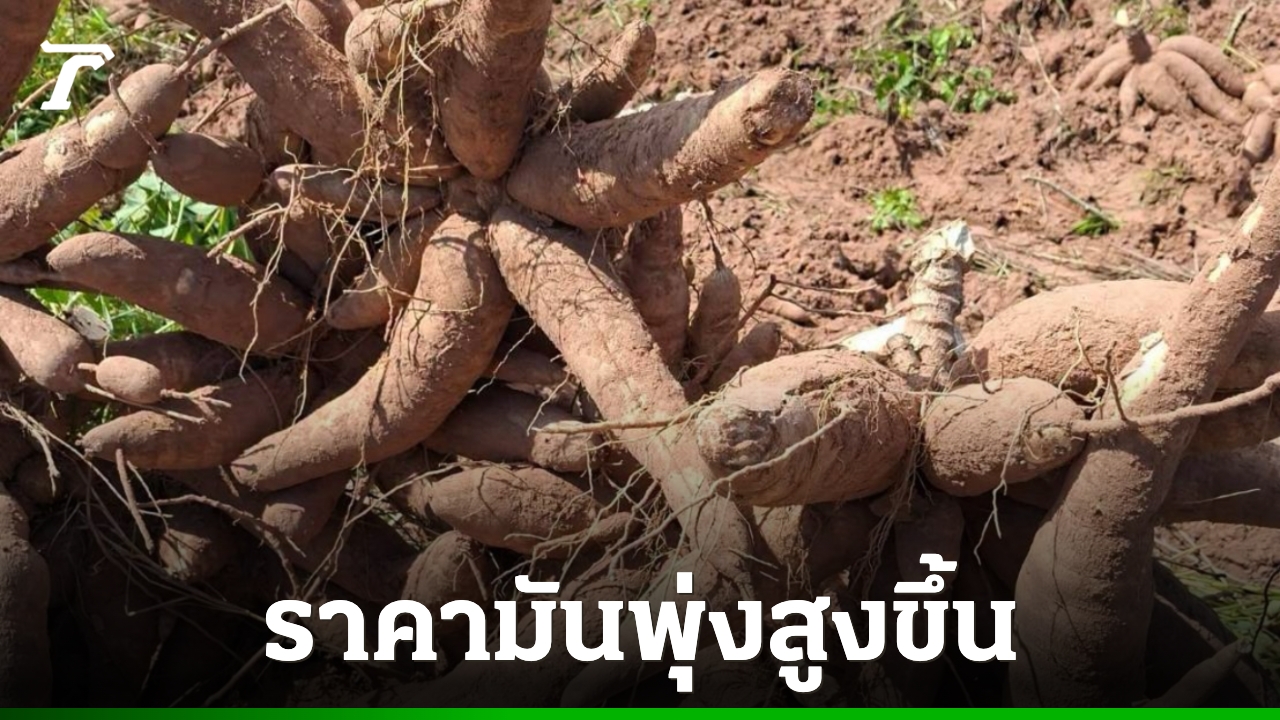
Farmers accelerate an eight-month harvest
Cassava farmers in Thailand are accelerating harvesting after local processing plants raised purchase prices to 4.80-5 baht per kilogram, compared with a usual range of 2.50-3 baht. Thai Rath reported the increase during a visit on August 28, 2026, to Ban Prasop Chok in Huai Yai Chio subdistrict, Thep Sathit district, Chaiyaphum province.
Sit Kaesantia, a 56-year-old cassava farmer, said he was urgently deploying workers to harvest an eight-month-old crop covering about 10 rai. He moved ahead after receiving information that processing plants in the area were continuing to increase their buying prices.
The roots had not reached the full recommended harvesting age. However, tests showed that their starch content was already high enough to obtain an attractive price and make early harvesting worthwhile, according to the farmer.
Drought and border restrictions reduce availability
Thai Rath linked the price increase to two supply constraints. Drought has reduced the volume of domestic cassava reaching processing plants, while the closure of the Thai-Cambodian border to Cambodian goods has stopped lower-priced Cambodian cassava from entering the Thai market.
The combination has tightened raw-material availability for processors and strengthened the bargaining position of local growers. The current price of nearly 4.80-5 baht per kilogram is described as a level not seen locally for several years and is substantially above the normal 2.50-3 baht range reported by the farmer.
The increase is also affecting planting material. Cassava stems are in strong demand at 1-2 baht each, with farmers from other areas regularly approaching growers to purchase them. That demand indicates that the price movement is influencing expectations for future planting as well as decisions about the current harvest.
Higher returns come with cost and security risks
For farmers, the immediate incentive is clear: selling roots earlier converts the price increase into cash before market conditions change. The trade-off is that harvesting before the crop reaches full maturity can limit additional root growth, even when current starch readings make the sale economically attractive.
Processors face the opposite pressure. With less cassava arriving because of drought and no cheaper Cambodian supply crossing the border, factories must pay more to attract domestic roots. Faster harvesting may provide near-term volumes, but it does not remove the underlying limits on supply.
Sit also called on the government to control fertilizer prices, which he described as a major production cost. Strong cassava prices have therefore improved gross returns without eliminating pressure from farm inputs.
The price surge has created a further problem for growers: theft. The farmer said thieves had been digging up cassava and selling it, causing losses in several areas. He asked officials to increase inspections, highlighting how a crop worth 4.80-5 baht per kilogram requires greater field security as well as harvesting labor.