Tatarstan plastic pipe output halves in first nine months of 2025
Production of plastic pipes, hoses and fittings in Russia's Republic of Tatarstan fell 50% year-on-year in January-September 2025, according to figures reported by Bing. The region's plants turned out 34,400 tonnes over the nine months, half the volume of a year earlier.
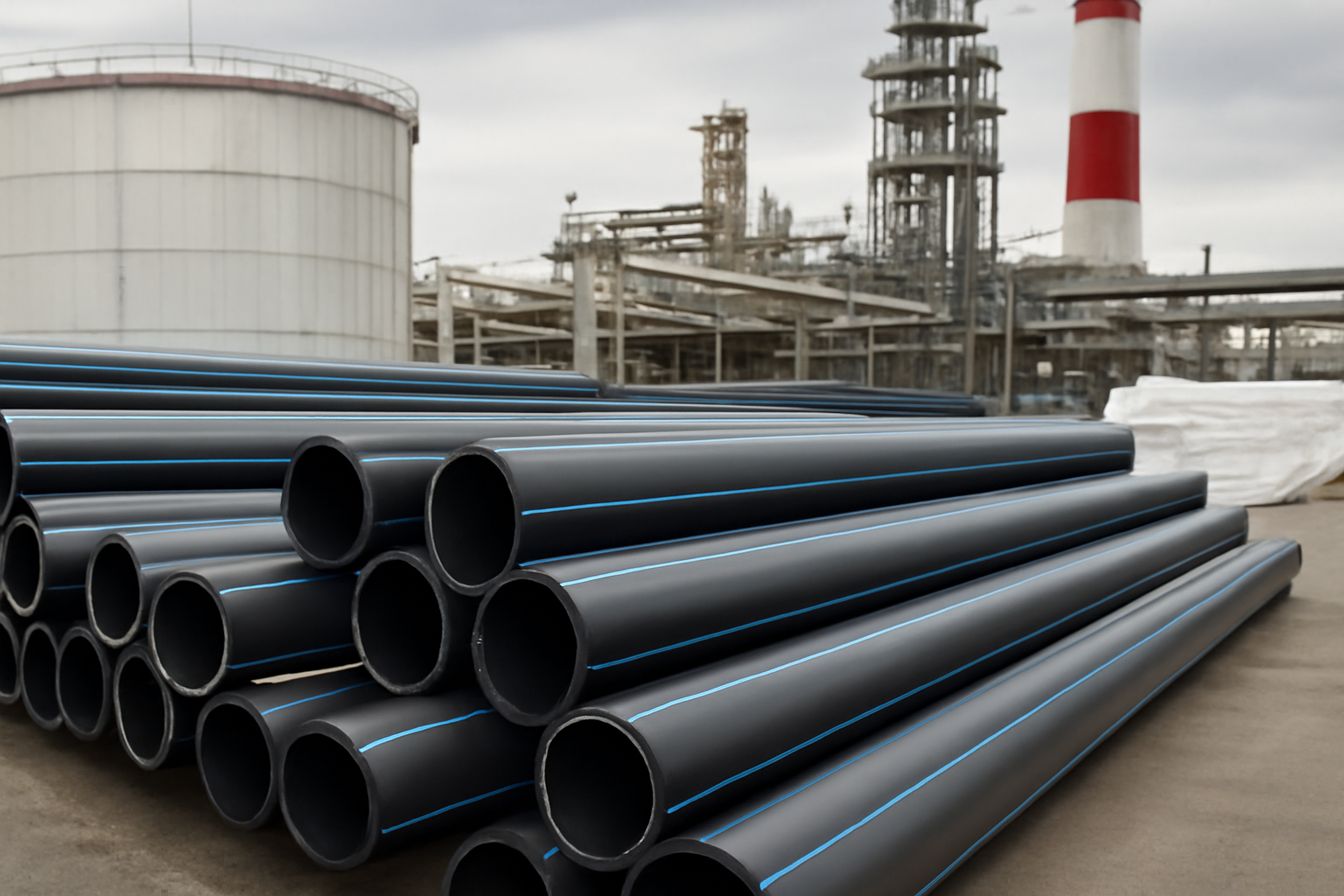
Tatarstan plastic pipe output halves through September 2025
Production of plastic pipes, hoses and fittings in Russia's Republic of Tatarstan fell 50% year-on-year in the first nine months of 2025, according to figures reported by Bing. Between January and September, the region's plants produced 34,400 tonnes of these goods, half the volume recorded in the same period of 2024.
The drop compresses one of Russia's larger polymer-processing regions into a much smaller output base within a single year. Tatarstan concentrates a meaningful share of the country's petrochemical and plastics-processing capacity, which makes a decline of this size relevant well beyond the republic's borders. Because the figure is cumulative for nine months rather than a single month, it points to a sustained slowdown rather than a one-off stoppage.
What the products are used for
Plastic pipes, hoses and fittings are core inputs for construction, housing and utilities, water supply, sewerage and gas distribution networks. Demand for them tracks building activity and infrastructure investment closely, so output is an indirect gauge of how much construction and pipe-laying is actually taking place.
A halving of regional production therefore points to one of three things, or a mix of them: weaker downstream demand, a shift in where output is recorded, or financial pressure on the manufacturers themselves. The reported data does not specify which, but a change of this magnitude rarely comes from a single, minor cause.
Trade and feedstock implications
For importers and exporters, a contraction of this scale in a major producing region can reshape supply balances. Lower domestic output typically widens the gap that imported pipe or additional polymer feedstock must fill, and can shift buying between Russian regions. Producers of the underlying resins feel the change first, because pipe extrusion is a large end-use for polyethylene, polypropylene and PVC.
The effect also runs the other way. Pipe and fitting extrusion is not a niche activity; it absorbs steady volumes of commodity polymers month after month. When it contracts sharply, the impact ripples back through compounders, resin producers and the logistics that move both feedstock and finished goods. A lasting decline of this kind can also stretch the timelines for regional water, sewerage and gas projects that depend on locally made pipe.
What to watch
- Whether the fall reflects a genuine demand slump in construction and utilities or a redistribution of output to other regions.
- Knock-on demand for polyethylene, polypropylene and PVC used in pipe manufacturing.
- Any widening of import needs to cover the shortfall in regional supply.
The reported figure covers volume only. It does not detail prices, the split between pipe and fitting types, or destination markets, so the effect on specific product lines and export flows cannot be quantified from the available data. Until fuller statistics are published, the confirmed data point is narrow but stark: 34,400 tonnes over nine months, down 50% year-on-year in one of Russia's key plastics-processing regions.
Full market analysis