Tanzania expands Mtwara Port to target southern African transit cargo
Tanzania is building a 300-metre, 15-metre-deep berth near Mtwara Port to handle larger bulk vessels and pursue transit cargo from southern and central Africa. The project is 44% complete and scheduled for completion in 2027, but its commercial success will also depend on roads, border procedures, charges and shipping services.
New berth adds bulk-cargo capacity
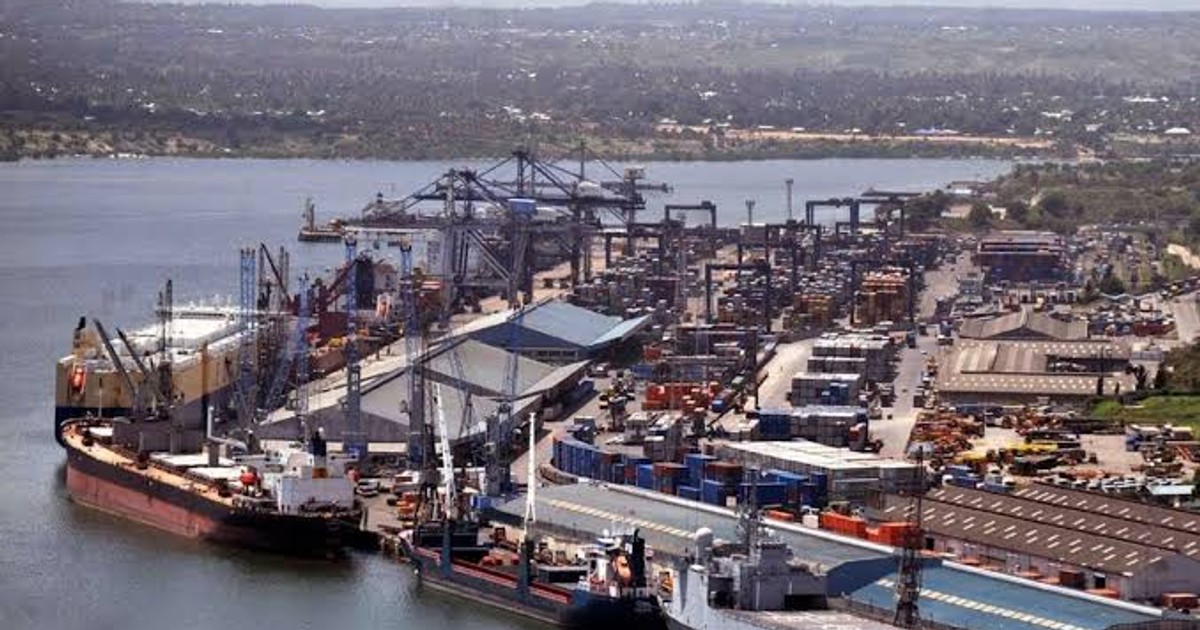
Tanzania is expanding Mtwara Port to capture a larger share of cargo moving between the Indian Ocean and markets in southern and central Africa. Business Insider Africa reports that a new 300-metre berth is under construction at Kisiwa Mpangawe, also known as Kisiwa Mgao, near the southern port. With a depth of 15 metres, the facility is designed to receive larger vessels carrying cement, coal and other bulk commodities.
Construction has reached 44% and is expected to be completed in 2027, The Citizen reported, citing Mtwara acting port manager Hekima Ngezi. The adjoining cargo area will accommodate approximately 100,000 tonnes. Authorities intend to use the specialised facility to separate dusty bulk cargo from other traffic at the main port, reducing operational conflicts as volumes increase.
Throughput more than quadruples
Mtwara’s cargo throughput rose from about 592,000 tonnes in the 2021/22 financial year to 2.58 million tonnes in 2024/25, according to figures previously disclosed by Tanzanian port authorities. The increase followed earlier investments in a separate 300-metre berth, cargo yards, warehouses and modern handling equipment. Between February and August 2026, the port received 23 vessels and processed 6,390 vehicles, some destined for neighbouring and landlocked markets.
The port’s cargo base has broadened beyond the seasonal cashew exports on which it historically depended. It now handles fuel, cement, coal, cashew nuts, pigeon peas, vehicles, machinery and equipment for major construction projects. Cement from Dangote Cement’s Mtwara plant is shipped to Zanzibar, Comoros and Mozambique. The new berth is intended to reinforce this diversification while placing maritime capacity closer to southern Tanzania’s agricultural, mining, cement and gas-producing areas.
Regional corridor faces a commercial test
Tanzania wants Mtwara to serve Malawi, Mozambique, Zambia, Zimbabwe and parts of the Democratic Republic of Congo. The port anchors the Mtwara Development Corridor, launched by Tanzania, Malawi, Mozambique and Zambia in 2004. One principal route extends about 800 kilometres through Lindi and Ruvuma to Mbamba Bay on Lake Malawi. However, delayed railway and industrial projects leave the corridor mainly dependent on roads.
A larger port therefore will not by itself secure transit volumes. Importers and exporters will compare the complete route, including road reliability, border processing, port charges and the frequency of shipping services, with alternatives through Mozambique’s Nacala and Beira ports and Tanzania’s Dar es Salaam corridor. Dar es Salaam still handles about 95% of Tanzania’s international maritime trade. It processed 27.7 million tonnes in 2024/25, compared with 23.69 million tonnes a year earlier, while Tanzania’s three main seaports handled approximately 35.59 million tonnes of imports and exports in 2025, up from 28.08 million tonnes in 2024. Mtwara’s deeper berth gives southern Tanzania additional capacity, but competitiveness across the full inland corridor will determine whether that capacity attracts sustained regional cargo.