Switzerland: a coffee trading powerhouse without a single coffee plant
Switzerland grows no coffee yet has become one of the world's leading traders and processors of the crop, according to Le Monde. The Alpine country dominates the trade and transformation of beans, capturing margin from financing, logistics and manufacturing while producing nations supply the raw material.
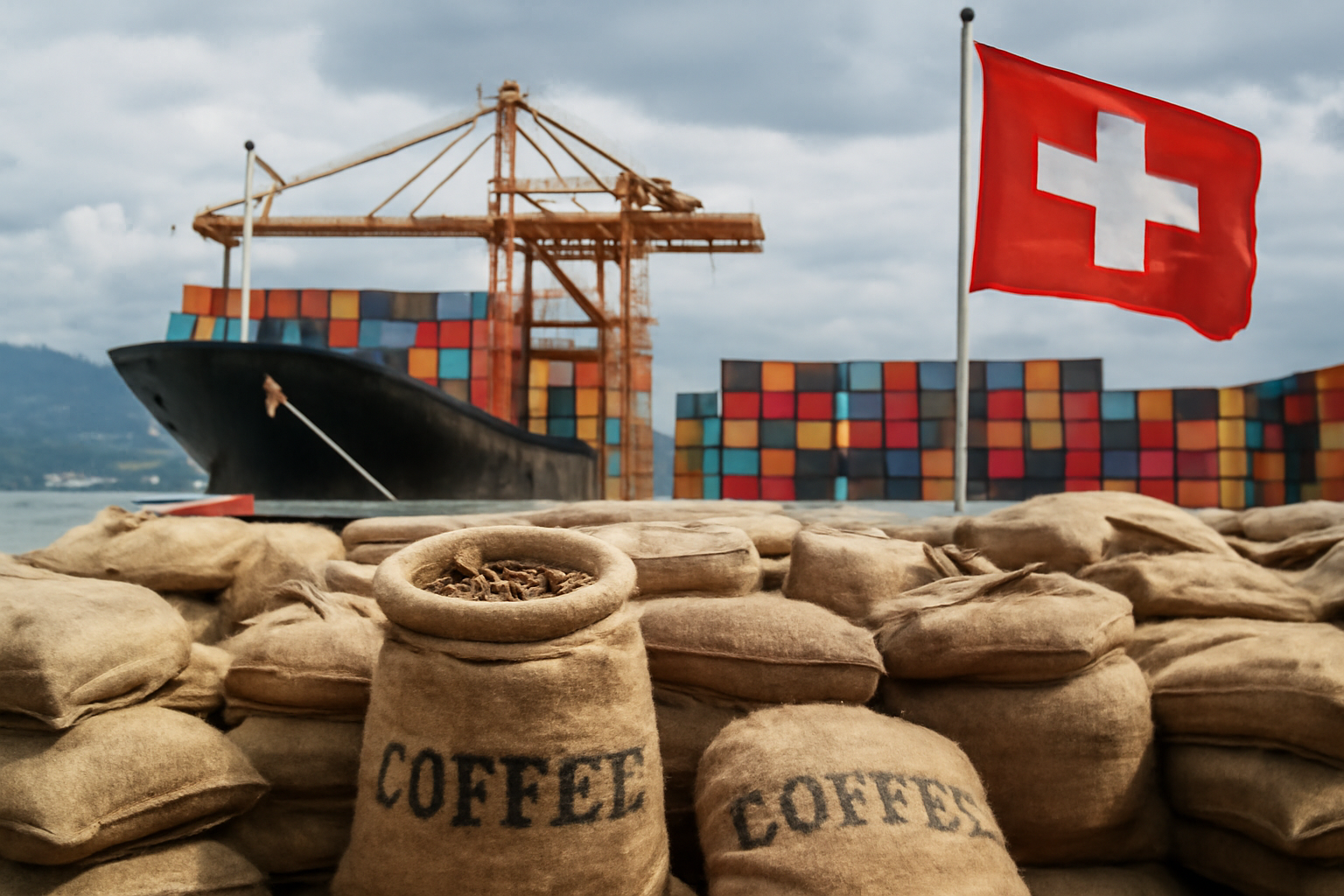
Switzerland does not grow a single coffee plant, yet the Alpine country has become one of the most powerful players in the global coffee business, according to French daily Le Monde. Its strength lies not in the field but in two links of the chain where control and margin concentrate: trading the beans and processing them.
A trading hub without a harvest
Le Monde reports that Switzerland has positioned itself as one of the leaders of the coffee sector despite having no crop of its own. The raw beans rarely need to touch Swiss soil. What is arranged on Swiss ground is the paperwork that moves the commodity: purchase contracts, trade finance, insurance and shipping logistics that route coffee from producing countries to roasters abroad.
Geneva and the Lake Geneva region have become a magnet for commodity trading houses. Trading firms based in Switzerland buy green coffee from growers in Latin America, Africa and Asia and sell it on to buyers in Europe, North America and elsewhere, taking a margin on volume, financing and risk management rather than on the crop itself. For an exporter in Brazil, Colombia, Vietnam or Ethiopia, the counterparty on the other side of the contract is increasingly a trading desk in Switzerland.
Where value is added
The second pillar of the Swiss model is processing. According to Le Monde, the country's recipe is to dominate both the trade and the transformation of the beans, turning imported green coffee into roasted, ground and instant products worth far more than the raw commodity. Switzerland is home to some of the industry's best-known coffee brands and manufacturers, and much of the premium paid by consumers is captured at this stage rather than at the farm gate.
This combination, controlling the flow of beans and then adding value through processing and branding, lets a country with no plantations sit at the centre of a tropical commodity. The physical coffee may pass through ports far from the Alps, but the commercial decisions, and a large share of the profit, are made in Switzerland.
What it means for trade flows
For exporters in producing nations, the Swiss role reinforces a familiar pattern: the greatest value in coffee is realised after the beans leave the farm. Growers supply the raw material, while trading and processing hubs capture the margin from financing, logistics and manufacturing.
For importers and roasters in consuming markets, Switzerland functions as a key intermediary. Access to green coffee, price discovery and trade finance often run through Swiss-based counterparties, making the country a structural chokepoint in a supply chain that stretches from the tropics to the coffee cup.
- Switzerland has no domestic coffee crop but is one of the leaders of the global sector, per Le Monde.
- Its strength rests on two links of the chain: trading green coffee and processing it into finished products.
- Producing countries in Latin America, Africa and Asia supply beans that are traded and valorised through Swiss hubs.