Study Finds Lead in 99 of 100 Cat Foods Bought in the US
Clean Label Project detected lead in 99% of 100 cat foods purchased in the United States, but said the comparison was not a safety assessment. Fish-based and dry foods showed higher concentrations of some contaminants than other products in the sample.
Metals detected across most samples
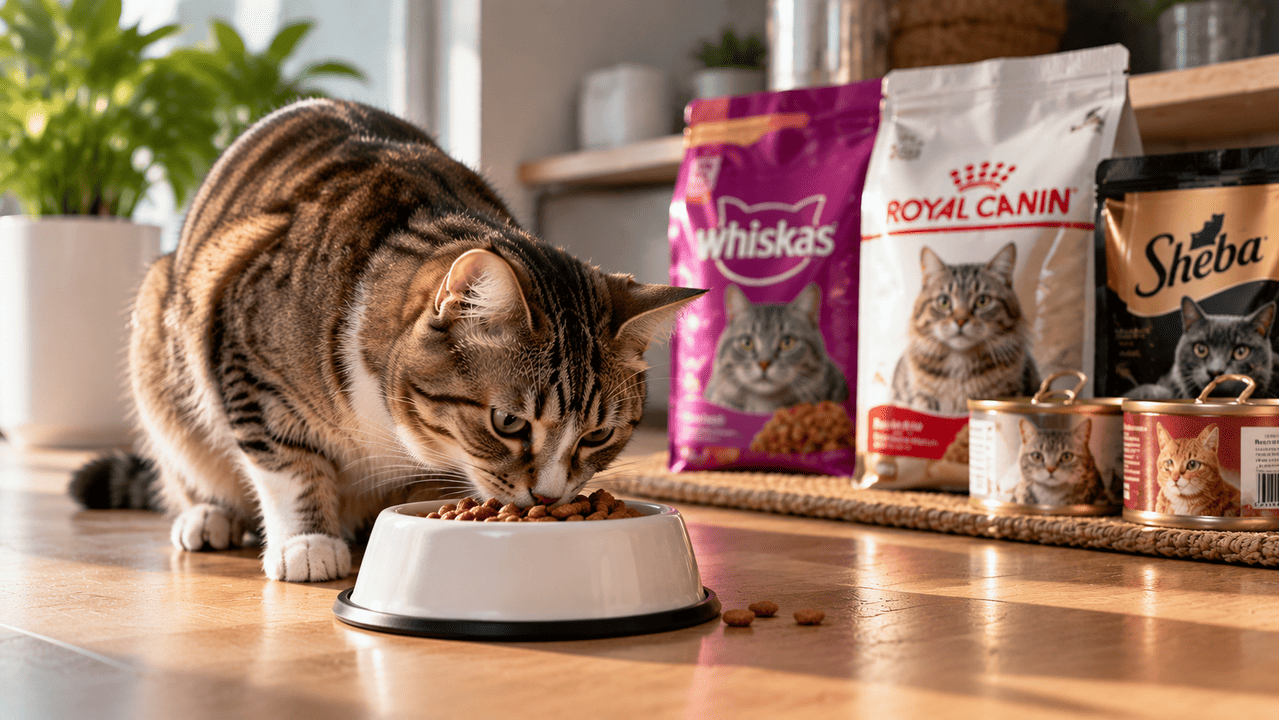
Clean Label Project tested 100 cat-food products from 62 brands for more than 122 contaminants, according to myfin.by. Lead was detected in 99% of the samples, cadmium in 96% and arsenic in 94%. The tested products included items sold under Royal Canin, Purina, Hill's, Sheba, Acana and Orijen, among other brands familiar to consumers in multiple markets.
The samples were specific products purchased in the United States. The findings therefore do not cover every product made by the named brands, nor do they establish the contamination profile of foods produced or sold in other countries. This distinction matters for international suppliers because formulations, raw-material origins and production sites can differ by market.
Clean Label Project also stressed that detecting a substance does not by itself mean a food is unsafe. The results compared the tested samples and were not presented as a formal safety assessment of individual products. The study, as described by myfin.by, did not provide evidence of recalls or regulatory action resulting from the tests.
Fish and dry products showed higher readings
The largest difference by ingredient category involved fish and seafood. Mercury levels in those samples were about 18 times higher than in other foods included in the study. The authors did not claim that every fish-based cat food is dangerous, but advised owners whose cats consistently eat fish formulas to consider rotating protein sources.
Format also produced a marked difference. Dry foods contained about three times as much lead as wet and air-dried products in the tested sample. The comparison may draw attention from manufacturers and ingredient buyers to differences in recipes, raw materials and processing, although the reported results do not identify which factor caused the gap.
The testing program covered pesticides, glyphosate, phthalates and other chemicals in addition to metals. Glyphosate was found in some samples. In 35 of the 100 foods, the first meat or fish ingredient named on the label was not actually the largest component by share among the first ten ingredients, according to the study.
Implications for brands and retailers
The ingredient finding adds a labeling and product-positioning issue to the contaminant results. Clean Label Project advised consumers to examine the full ingredient list rather than relying only on the first listed meat or fish ingredient. Traceability can be more difficult for food sold by weight because buyers may not have access to the original packaging, exact product identity or batch information.
Mars, whose portfolio includes Royal Canin, Whiskas, Sheba and Iams, said it controls raw materials and finished products throughout production and complies with quality standards. Some products from these brands available in Belarus are more commonly made at Mars facilities in Russia; the company's Russian press service said the products comply with Russian and Belarusian quality standards.
For producers and retailers, the study creates pressure for clearer batch-level testing and communication, even though it does not conclude that the sampled foods are unsafe. Any decisions on recalls or tighter limits would require safety thresholds, exposure analysis and action by the relevant authorities. For now, the findings provide a comparative snapshot of 100 US-purchased products rather than a verdict on entire brands or the global cat-food market.