Spanish grain prices rise in July as Russia-Ukraine tensions lift global markets
Spanish cereal quotations rose in July as gains on international markets spread to the domestic market. Wheat recorded the largest increases amid renewed tension between Russia and Ukraine, although the available report provided no price figures.
International gains reach Spain
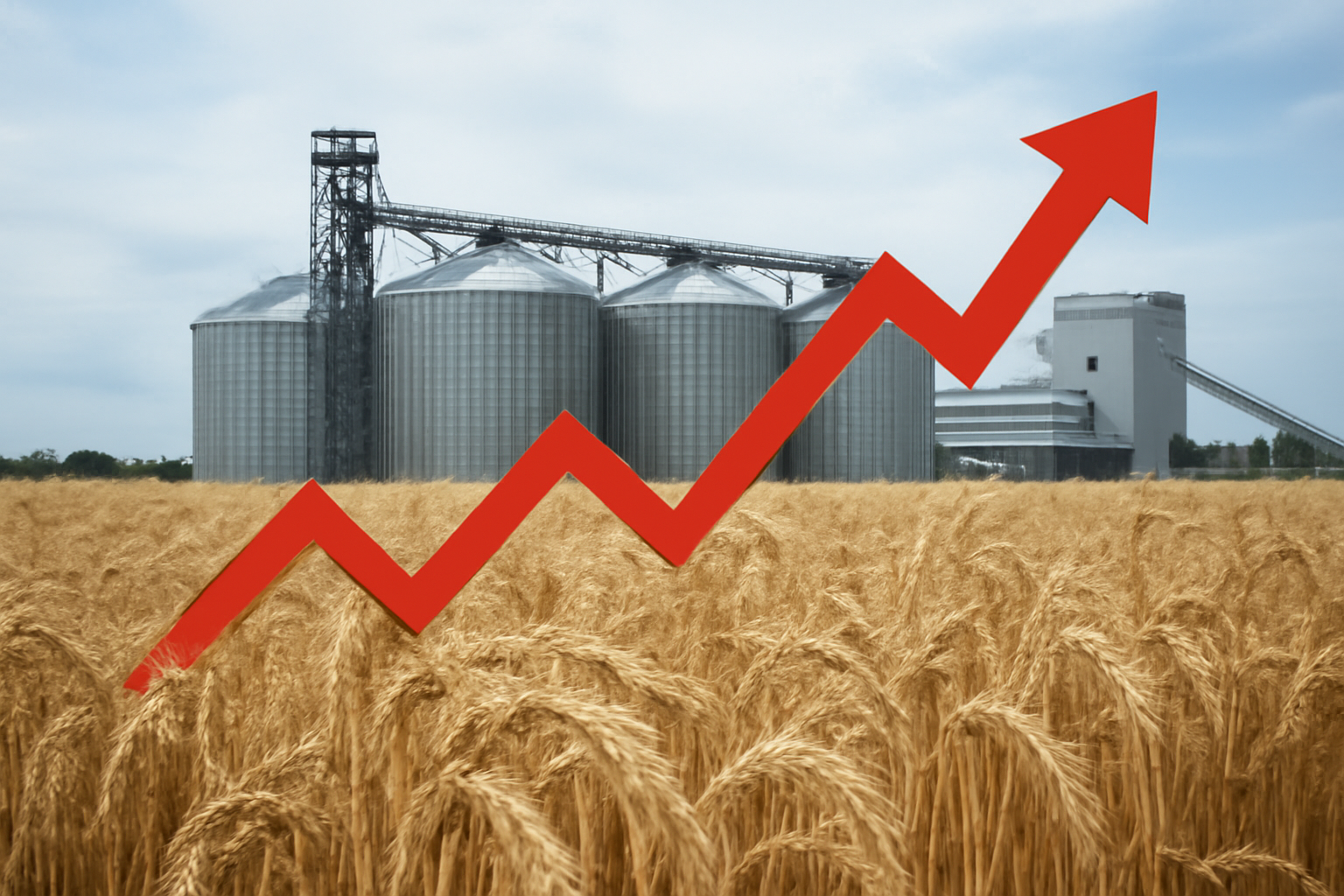
Spanish cereal prices rose sharply in July as renewed geopolitical tension between Russia and Ukraine supported quotations on international markets. Those external gains fed into Spain’s domestic market, where wheat registered the largest increases among the cereals covered by the available report.
The report did not provide exact prices, percentage changes or comparisons with the previous month or year. It also did not distinguish among wheat grades or identify individual Spanish trading regions. The clearest market signal is therefore directional: international cereal prices moved higher, Spanish quotations followed, and wheat led the domestic advance.
That sequence matters for Spain’s grain buyers and sellers because movements in external benchmarks can affect negotiations across the supply chain. Producers gain support when higher international quotations strengthen local offers. Millers, feed manufacturers and other processors, by contrast, face more expensive purchasing conditions if the increase persists or spreads across additional cereals.
Wheat leads the advance
Wheat’s larger increase places it at the centre of the July movement. The available information does not specify whether the rise was concentrated in milling wheat, feed wheat or both, so the consequences for individual users cannot be quantified. Even so, a stronger wheat market can influence purchasing decisions whenever buyers can alter delivery timing, origin or cereal mix.
The broader rise in cereals also means the development is not limited to a single commodity. Higher international markets are pulling domestic quotations upward, creating a common pricing influence for Spanish producers, traders and industrial consumers. The scale of the effect will depend on the contracts, qualities and delivery periods negotiated by each participant.
No production estimates, harvest figures, stocks, freight rates or physical trade volumes were included in the source material. There is consequently no basis for attributing July’s increase to a documented change in Spanish supply or demand. The reported driver is geopolitical tension and its effect on external markets, rather than a quantified domestic shortage.
Geopolitical risk returns to pricing
Russia and Ukraine are central to the reported price movement because renewed tension between the two countries has influenced international cereal quotations. The supplied information does not describe a specific incident, disruption or policy measure. It therefore supports identifying geopolitical risk as the catalyst, but not claiming that particular shipments, ports or volumes were affected.
For market participants, that distinction is important. A price increase driven by risk expectations can affect offers before any confirmed change in physical availability is reported. Traders must separate movements in international quotations from verified changes in supply, while processors need to assess how quickly higher offers could enter their purchasing costs.
Industry watches duration and breadth
The immediate questions are whether the July gains persist and whether wheat continues to outperform other cereals. Spanish producers will watch whether stronger quotations remain in place during sales negotiations. Buyers will focus on the breadth of the increase, since a rise across several cereals can reduce the scope for substitution.
Without detailed price series or trade data, the size of the commercial impact remains uncertain. What is established is that geopolitical tension lifted external cereal markets in July, those increases reached Spanish domestic quotations, and wheat posted the strongest rise. Further assessment requires exact prices, product specifications and regional market data.