Spain updates food standards for turkey ham, stuffed olives and preserves
Spain has updated quality and labelling rules for turkey ham, stuffed olives and several other foods. The Royal Decree also covers gluten-free bread, horchata, cider and biscuits, aligning standards with current production technology and consumer demand.
Royal Decree modernises food quality rules
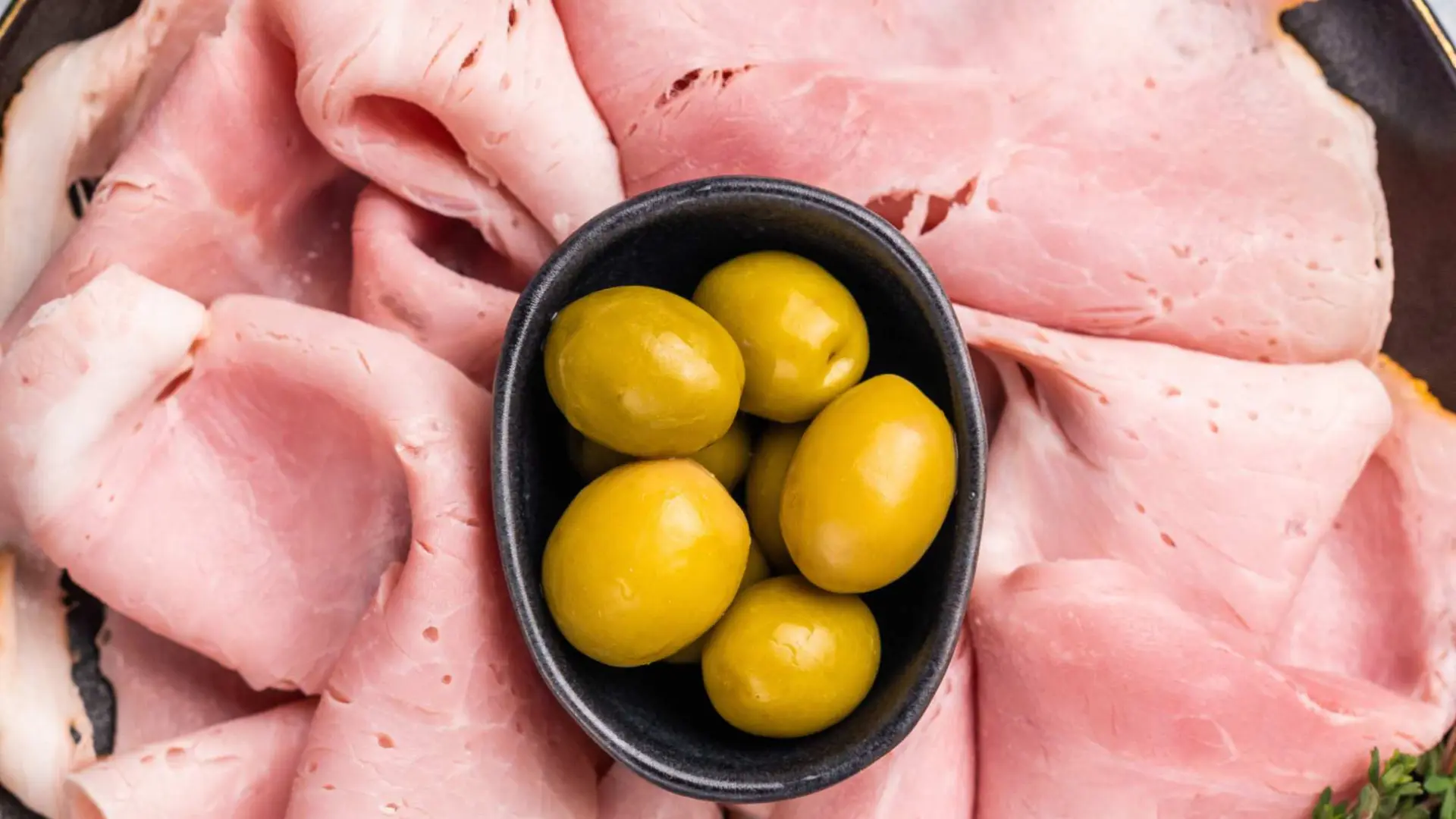
Spain’s Council of Ministers has approved a Royal Decree updating the regulatory framework for turkey ham, stuffed olives and a wider group of processed foods. Heraldo reports that the measure has been published in the Official State Gazette and is already in effect. Its stated objectives include clearer consumer information, stronger traceability and stricter controls at different stages of the food chain.
The reform modifies or repeals several food-quality provisions to reflect technological innovation and changing consumer expectations. Spain’s Ministry of Agriculture, Fisheries and Food said the changes are also intended to improve the competitiveness of the agri-food sector by bringing quality rules closer to current production and technological conditions.
New information requirements for meat and olives
For meat products, the updated rules introduce references requested by consumers, including the terms “natural” and “artisan production.” The regulation also strengthens traceability requirements for cured hams and shoulders and expands information concerning the date on which those products entered the salting process. Processors will therefore need to review product descriptions and production records to ensure that claims and traceability data meet the revised framework.
Table olives are also affected. When an olive filling is made as a paste, that form must now be clearly identified in the ingredients list. At the same time, traditional product names such as anchovy olives may continue to be used. The change is designed to give buyers more precise information without removing established commercial denominations from supermarket shelves.
Gluten-free bread and lower-sugar horchata
The Royal Decree brings gluten-free bread within Spain’s bread quality standard. Products that are not made with flour may consequently be marketed as bread, provided they comply with the remaining requirements of the standard. This gives producers of alternative formulations a clearer regulatory route while keeping their products subject to the broader rules governing a staple food category.
The rules also permit Valencian horchata to be produced without added sugar or with reduced sugar content. However, colourings and sweeteners remain prohibited to protect the product’s traditional quality. Manufacturers can therefore respond to demand for lower-sugar formulations, but they cannot use those additives to modify sweetness or appearance.
Cider and biscuit standards also change
Spain has expanded the categories covered by the rules for natural cider and cider to include ice cider. The decree also restores the use of technological practices including clarification, decolourisation, depectinisation and deodorisation. These provisions update the production options available to cider makers under the national quality framework.
For biscuits, the maximum ash-content limit has been removed. According to Heraldo, this is intended to accommodate formulations using wholegrain ingredients, fibre and other newer ingredients. Across the affected categories, the immediate burden falls on processors and sellers to check recipes, manufacturing practices, ingredient lists, product claims and traceability records. The decree does not remove turkey ham, olives or preserves from sale; it changes how specified foods may be made, described and presented to consumers.