Spain updates food standards for gluten-free bread, turkey ham and table olives
Spain has revised quality rules covering gluten-free bread, turkey ham, table olives, horchata, cider and biscuits. The changes expand permitted product descriptions and formulations while imposing clearer ingredient and traceability requirements.
Spain modernizes food quality rules
Spain’s Council of Ministers has approved a Royal Decree updating and repealing several food-quality provisions. According to Heraldo, the measure has been published in the Official State Gazette and covers products including gluten-free bread, turkey ham, table olives, horchata, cider and biscuits.
The reform is intended to align the regulatory framework with current production methods, technological innovation and consumer demand. Spain’s Ministry of Agriculture, Fisheries and Food said the changes should improve the competitiveness of the agri-food sector. The rules also seek to provide clearer consumer information, strengthen food traceability and tighten controls from production and processing through distribution and final sale.
The decree does not remove turkey ham or olives from the market, despite language used in some coverage suggesting consumers must say goodbye to the products. Instead, it changes specifications and the conditions under which certain names, claims and ingredient descriptions may be used. Producers and retailers will therefore need to review formulations, product files and labels against the updated standards.
New provisions for bread, horchata and meat products
Gluten-free bread is now included within Spain’s bread quality standard. The change allows products not made with flour to be sold as bread, provided that they comply with the standard’s other requirements. This gives manufacturers a clearer regulatory basis for alternative formulations while preserving the remaining conditions attached to the bread category.
The decree also permits Valencian horchata to be produced without added sugar or with reduced sugar content. Colorings and sweeteners remain prohibited in order to preserve the product’s traditional quality. The distinction is relevant for manufacturers responding to demand for lower-sugar products: sugar reduction is allowed, but substituting sweetness or appearance through those additives is not.
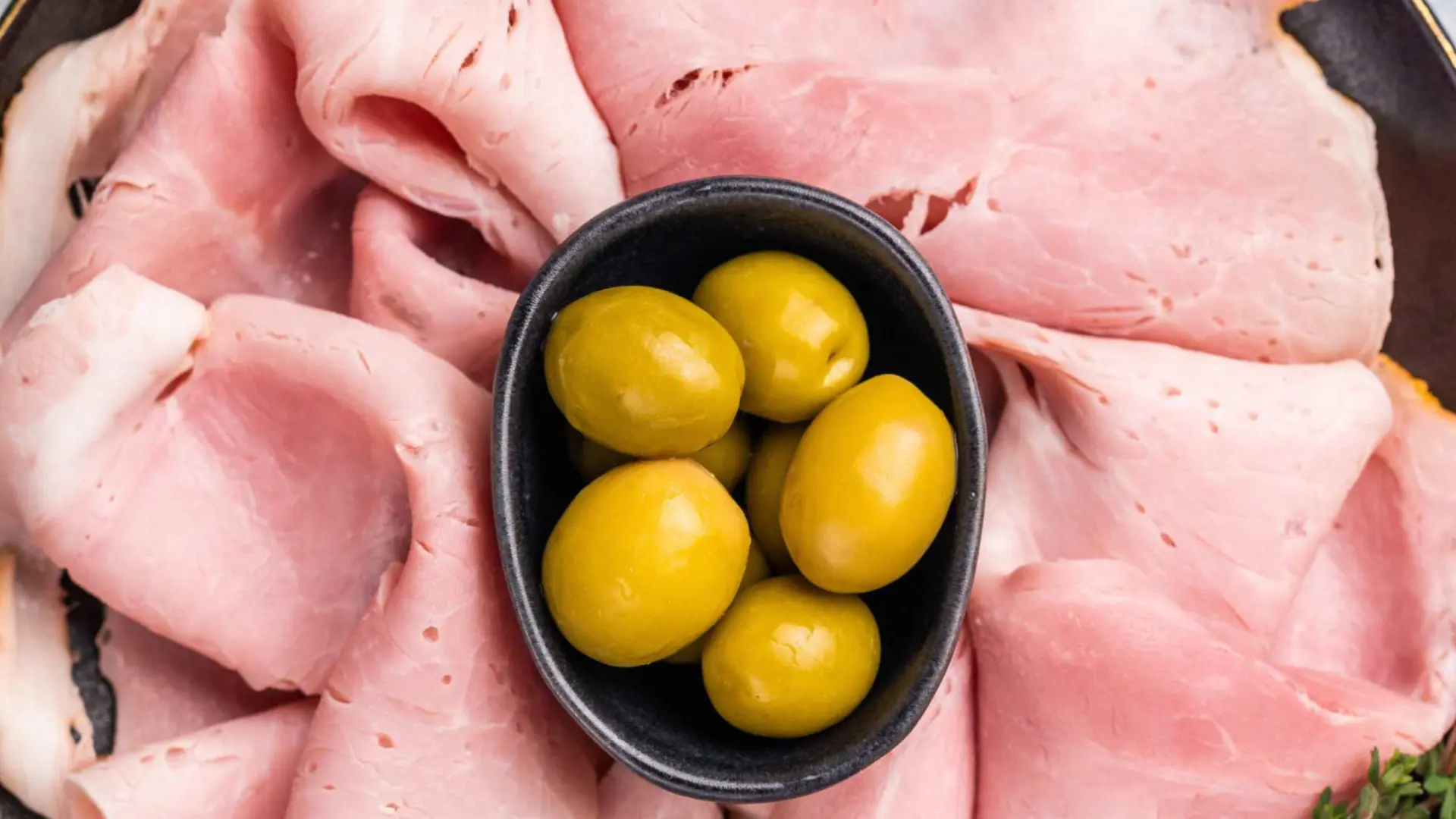
For meat products such as turkey ham, the updated rules regulate additional descriptions requested by consumers, including “natural” and “artisan production.” The decree also strengthens traceability requirements for cured hams and shoulders and improves disclosure of the date when those products enter the salting process. Businesses using the new descriptions will need to ensure that their production and labeling practices meet the applicable conditions.
Olive fillings, cider processes and biscuit recipes
For table olives, paste-form fillings must now be clearly identified in the ingredient list. Traditional names such as anchovy olives may continue to be used. The approach preserves familiar commercial designations while requiring buyers to receive more precise information about the actual form and composition of the filling.
The cider rules now incorporate ice cider and restore technological practices including clarification, decolorization, depectinization and deodorization. For biscuits, the maximum ash-content limit has been removed, enabling new formulations containing wholegrain ingredients, fiber and other novel ingredients.
The practical impact extends across manufacturers, processors, packaging suppliers and retailers. Companies must determine which products are covered, verify whether recipes remain compliant and update labels where ingredient presentation, regulated descriptions or traceability information has changed. The broader commercial opportunity lies in gluten-free bread, lower-sugar horchata and fiber-rich biscuits, but access to those categories remains tied to the revised quality and disclosure requirements.