Spain removes French honey and berry jam after glass fragments found
Spain has ordered the removal of honey and strawberry and raspberry jam imported from France after glass fragments were detected. AESAN announced the cross-border food safety action, which affects products sold through Spanish supermarkets.
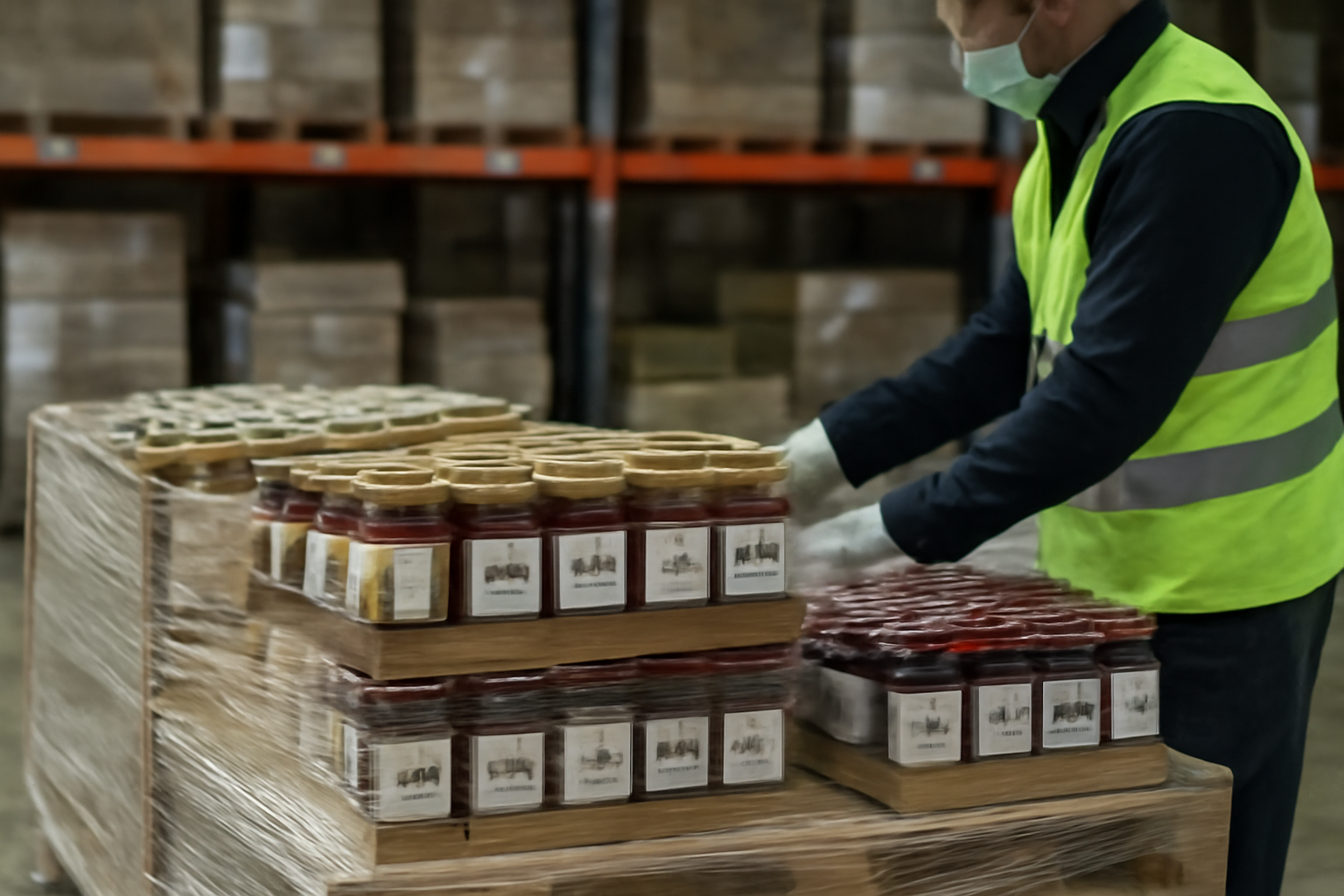
AESAN reports glass contamination
Spain has ordered supermarkets to remove honey and strawberry and raspberry jam originating in France after glass fragments were found in the products. The action follows a notification from the Spanish Agency for Food Safety and Nutrition, known as AESAN.
El Economista reported that AESAN disclosed the presence of glass fragments in both preserves and honey imported from France. The measure therefore covers more than one product category and represents a cross-border food safety incident involving French supplies placed on the Spanish retail market.
The available information does not identify the producer, brand, package size, affected lot numbers or volume of goods covered by the withdrawal. It also does not specify how widely the products were distributed within Spain. Those details are important for retailers and distributors seeking to distinguish affected inventory from unaffected French honey and preserves.
Retailers face an immediate traceability task
For supermarket operators, importers and food distributors, the priority is to locate the relevant products and prevent further sales. Honey and fruit preserves are shelf-stable goods that may remain in warehouses, shops or consumers’ homes for extended periods, making accurate lot-level identification central to an effective withdrawal.
The incident also places attention on packaging controls. Glass containers are widely used for honey and jam, and fragments can create a direct physical hazard if breakage or damage occurs during filling, sealing, handling or transport. The supplied information does not establish where in the production and distribution chain the contamination occurred.
Because the goods originated in France and were marketed in Spain, the response involves supply-chain records across two countries. Importers and retailers need reliable documentation covering suppliers, shipments and store deliveries, while the affected producer or producers must be able to trace packaging and finished-product batches.
Impact depends on the scope of the withdrawal
No figures have been provided for the quantity removed or the financial cost of the action. Without identified brands, lots or distribution regions, it is not possible to determine whether this is a narrowly contained recall or a broader disruption for French suppliers serving Spanish retailers.
The immediate commercial effect is likely to fall on businesses handling the affected stock through blocked sales, inventory checks and product removal. The wider effect on the French honey and preserves trade will depend on the number of products involved and the speed with which AESAN and companies provide precise traceability information. The case highlights how a packaging-related physical hazard can interrupt trade even when the underlying food itself is not reported as the source of the problem.