Spain’s fresh produce exports top €10.1 billion despite lower volumes
Spain exported 5.5 million tonnes of fresh fruit and vegetables from January through May 2026, down 1.6% year on year. Revenue rose 7% to €10.106 billion as higher average export values offset the decline in shipments.
Export revenue rises as shipments contract
Spain exported 5.5 million tonnes of fresh fruit and vegetables between January and May 2026, a 1.6% decline from the same period of 2025. Export revenue nevertheless increased 7% to €10.106 billion, according to customs data processed by the Spanish federation FEPEX and reported by AgroNews Castilla y León. The figures indicate that higher average values more than compensated for the modest reduction in physical shipments.
Vegetables accounted for approximately 2.9 million tonnes, down 1% year on year, and generated €5.067 billion. Their export value increased 10%, making vegetables the stronger contributor to revenue growth. Fresh fruit shipments fell 2% to 2.6 million tonnes, but their value rose 4% to €5.039 billion.
The data cover fresh Spanish fruit and vegetable exports in tariff chapters 07 and 08. For vegetables, FEPEX included headings 0701 through 0709, while fruit coverage comprised headings 0803 through 0810. Processed produce, nuts and pulses were excluded, keeping the results focused on the fresh market.
Peppers lead vegetable revenue
Lettuce was Spain’s largest vegetable export by volume, reaching 453,039 tonnes, 3% more than in January-May 2025. Peppers ranked second at 415,037 tonnes, with volume practically unchanged. Cucumber exports increased 1% to 363,742 tonnes, while tomato shipments declined 3% to 346,622 tonnes.
The revenue ranking differed from the volume table. Peppers generated €1.057 billion, the highest value among vegetables and 7% more than a year earlier. Tomato revenue increased 11% to €719 million despite the lower tonnage, while cucumber revenue climbed 19% to €651 million. Lettuce exports were worth €607 million, up 5.1%.
Those results show that revenue gains were not dependent on higher volumes. Tomatoes provide the clearest example: shipments declined, yet their export value increased at a double-digit rate. Cucumbers also recorded only a 1% volume gain alongside a 19% increase in revenue.
Citrus volumes weaken while strawberries gain
Oranges remained Spain’s largest fresh fruit export by volume at 734,904 tonnes, although shipments fell 10%. Mandarin exports declined 7% to 486,470 tonnes. Lemons moved in the opposite direction, increasing 2% to 323,868 tonnes, while strawberry exports rose 3% to 250,323 tonnes.
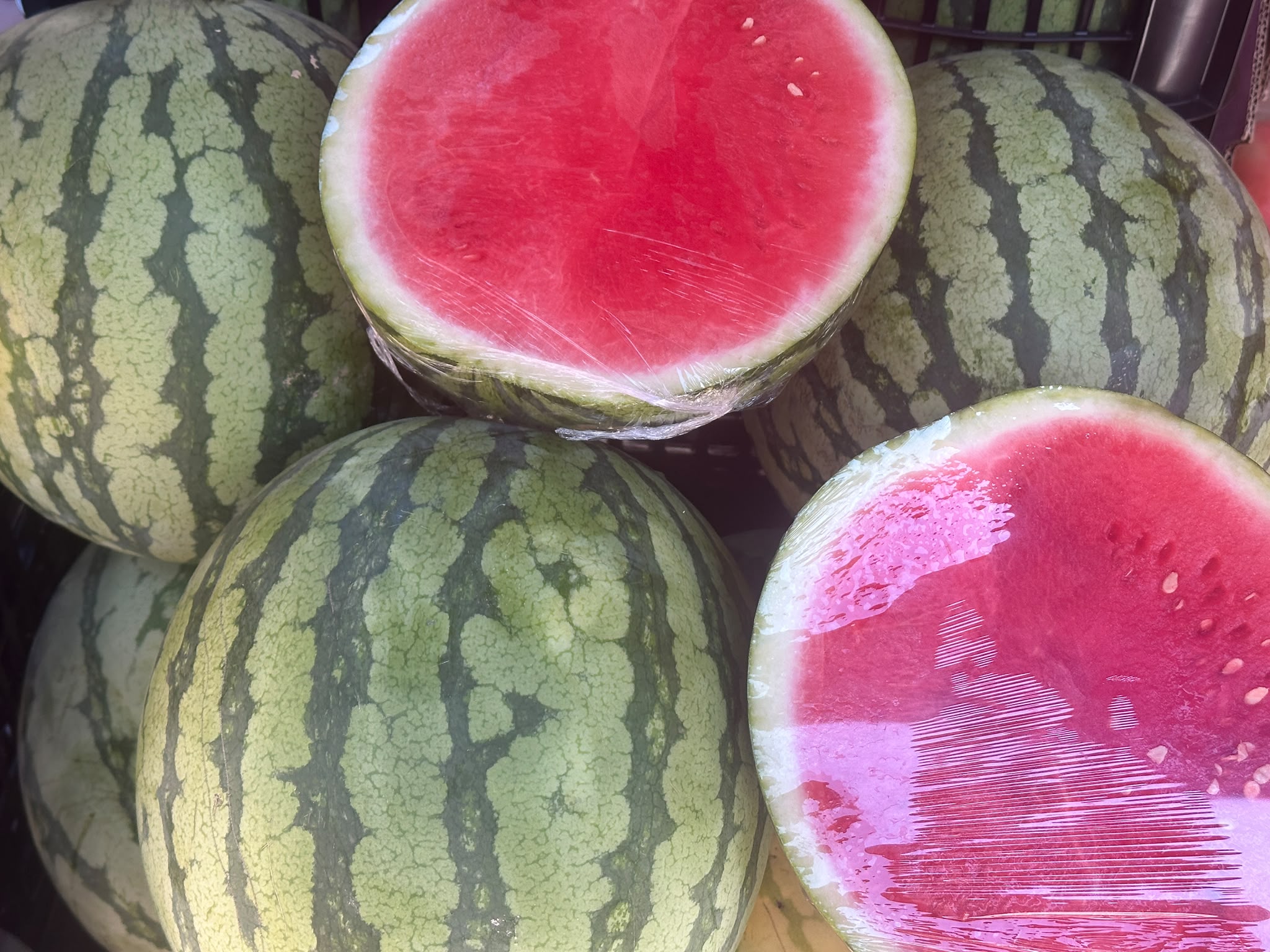
Watermelon shipments were unchanged at 176,788 tonnes. Avocado exports increased 1% to 88,885 tonnes, whereas blueberry volumes declined 5% to 72,355 tonnes. AgroNews Castilla y León noted that these products retain a growing presence in Spain’s fresh produce trade, particularly in European markets.
Strawberries generated the most export revenue among fruits, reaching €823 million, up 1.6%. Mandarins contributed €741 million, down 0.1%, while orange revenue fell 6.4% to €716 million. Blueberries produced €545 million, 0.9% more than a year earlier despite their lower export volume. Across the sector, the combination of declining tonnage and rising receipts makes export value, rather than shipment growth, the defining feature of Spain’s performance in the first five months of 2026.