Spain Cuts Food Waste 19.2% Since 2020, but Households Still Discard 1.129 Billion Kilos
Spain wasted 1.12991 billion kilos or litres of food in 2025, down 19.2% from 2020 but up 0.4% from 2024. Households accounted for 97.5% of the measured total, making purchasing, storage and meal planning the main targets for further reductions.
Long-term progress slows
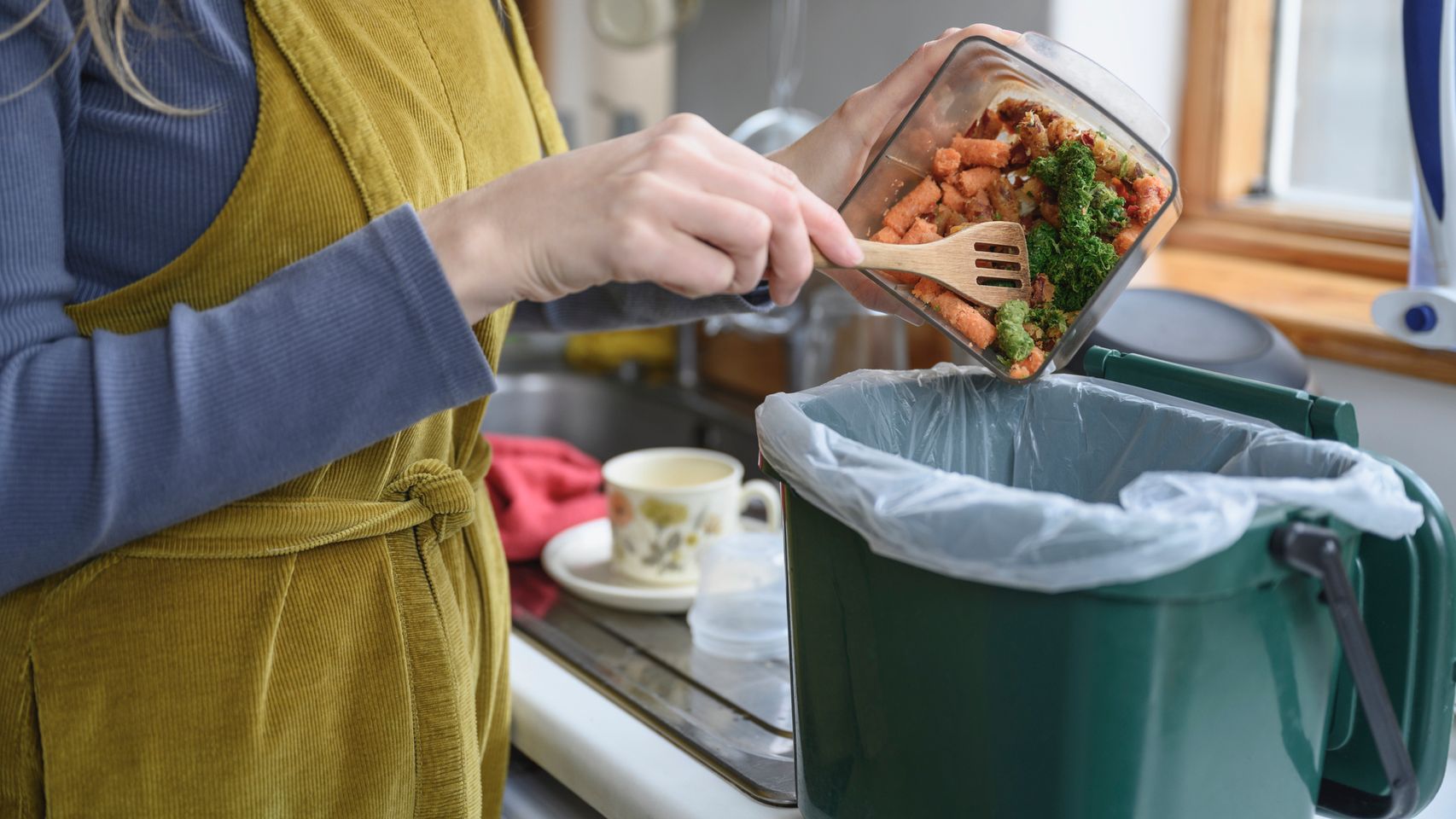
Spain wasted 1.12991 billion kilos or litres of food in 2025, equivalent to 24.3 kilos or litres per person, according to EL ESPAÑOL. The total was 19.2% below its 2020 level, but the latest annual comparison shows that progress has stalled: waste increased by 0.4% from 2024, while the per-capita figure declined by only 0.3%.
The Ministry of Agriculture, Fisheries and Food’s 2025 Food Waste Report places households at the centre of the problem. Domestic consumption generated 1.1018 billion kilos or litres, representing 97.5% of the waste covered by Spain’s measurement. That share is not directly comparable with the EU household figure of 53%, because the Spanish and European datasets cover different parts of the food chain and use different methodologies.
Unused fresh food drives household losses
Products purchased but never used accounted for 77.5% of household waste. Fresh fruit and vegetables represented 46% of this unused food, reflecting their perishability, purchases in quantities above actual needs and inadequate storage. María Cruz Díaz, president of the Spanish Institute of Engineering and the National Association of Agricultural Engineers, linked the earlier reduction in waste to greater awareness, better shopping plans and higher food prices.
Too Good To Go identified persistent gaps at the purchasing, storage and cooking stages. The company found that 26% of consumers acknowledged shopping without a plan, while 21% bought additional food “just in case.” Another 43% said they did not spend time organising food properly, and 50% lacked sufficient information about storage. Meanwhile, 30% had difficulty calculating cooking quantities and 29% said they lacked time to cook.
New law shifts attention to prevention
Spain’s Law 1/2025 on preventing food losses and waste has applied fully since April. It makes prevention the first priority for food-chain businesses and requires implementation plans explaining how surplus generation will be avoided. Where prevention is not possible, donation and redistribution for human consumption are among the preferred options. Díaz argues that performance should be measured through surplus generated per unit sold or produced, before any destination is assigned to it.
The requirements arrive ahead of tighter EU targets for 2030. The revised Waste Framework Directive sets a 10% reduction target for waste from processing and manufacturing and a 30% per-capita reduction, measured jointly across retail, restaurants, food services and households. Both targets use the 2021-2023 average as their baseline.
Technology targets farms and retailers
In primary production, losses can arise when harvesting becomes unprofitable, output peaks or products fail size and appearance standards. Díaz points to sensors, remote sensing, harvest forecasting, preservation techniques, staggered planting schedules and traceability as tools to align supply more closely with demand. Retailers can also use demand forecasts and reduce prices as consumption dates approach.
Too Good To Go has operated a platform for food retailers since 2024 that tracks product dates and identifies stock approaching its consumption deadline. The company says more than 38 million Surprise Packs have been recovered in Spain, equivalent to over 38,000 tonnes of food, including more than 7.5 million packs in 2025. It estimates that Spain’s discarded volume equals about 36 kilos of food and €152 in value every second, while more than 2.5 billion litres of water are used each day to produce food that is ultimately not consumed.