Spain’s cosmetics industry grows 44.3% in five years to reach 1.03% of GDP
Spain’s cosmetics and personal-care industry has grown 44.3% in five years and now represents 1.03% of national GDP. Strong exports, higher research spending and rising sunscreen consumption are creating opportunities, although makeup and photoprotection remain highly competitive.
A fast-growing industry with global reach
Spain’s cosmetics and personal-care industry has expanded by 44.3% over the past five years and now accounts for 1.03% of the country’s gross domestic product, according to El País, citing the annual report of the National Association of Perfumery and Cosmetics, known as Stanpa. The organization represents 90% of companies in the sector.
The industry covers skincare, haircare, hygiene, photoprotection, fragrance and makeup. Its international position is particularly strong in fragrance: Spain is the world’s second-largest perfume exporter, behind France. Individual companies are also building broad overseas networks. Dermatological products group Cantabria Labs, for example, now sells in 100 countries.
Research spending supports product development
Product efficacy and continued innovation are becoming more important as changing trends and demanding consumers increase competitive pressure. Cosmetics companies invested an average of 3.4% of their revenue in research, development and innovation in 2025, El País reported. That compares with a Spanish economy-wide average of 0.9%, based on data from the National Statistics Institute.
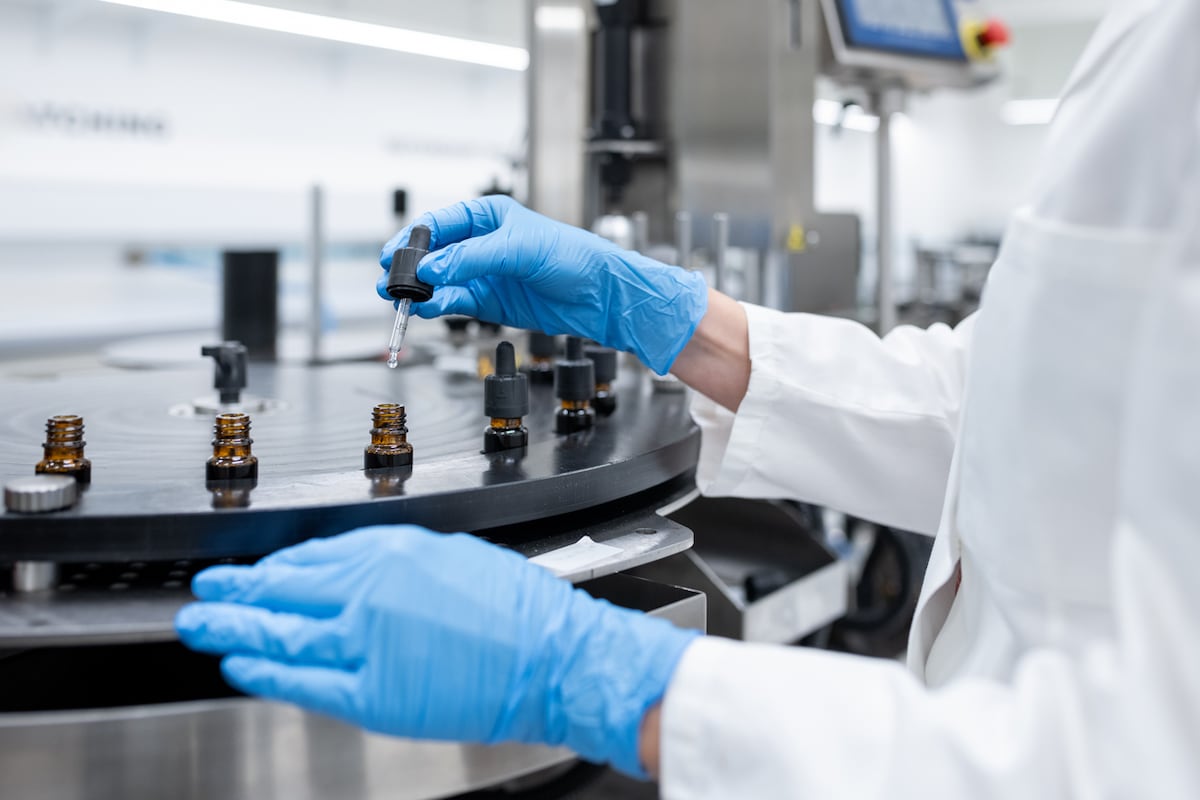
The gap between laboratory timelines and the market’s demand for frequent launches remains a central challenge. New formulas require time, while brands must compete for visibility both in physical stores and online. Packaging also has a commercial and technical role: it must attract attention, allow intuitive use and protect the formulation. LICO Cosmetics, a digitally native cosmetics engineering laboratory based in Seville, started with €15,000, using the capital to develop and produce small batches of its first two products. Its portfolio has since expanded to 42 items.
Skincare demand draws entrants but raises competition
Skincare is among the industry’s expanding categories as cosmetics become accessible to a broader consumer base. Sunscreen is a clear example. Consumption of sun-protection products in Spain increased by 55% between 2020 and 2025, according to a consumer-habits study conducted by Stanpa with market-research company Kantar. Cantabria Labs president Juan Matji nevertheless describes photoprotection as the sector’s most aggressive competitive field, although he sees further room for innovation.
Other categories offer different prospects. Estefanía Ferrer, founder of LICO Cosmetics, says the low-cost makeup segment has expanded so sharply over the past decade that it is now saturated. Ferrer and Matji warn new businesses against trying to enter facial care, haircare, hygiene, photoprotection and fragrance simultaneously because each category has different purchasing cycles, distribution channels and competitive intensity.
Digital visibility does not guarantee sales
Social media provides new brands with relatively inexpensive exposure, but converting followers into customers remains difficult. Ferrer argues that an Instagram or TikTok community is not by itself a viable business. Matji places greater emphasis on direct commercial work, including identifying decision-makers, calling prospective customers and securing meetings.
For producers and investors, the industry’s growth and export position provide an attractive backdrop, but the barriers are substantial. Entrants need capital for research, small-scale manufacturing and suitable packaging before demand has been proven. They must then choose a focused category and combine digital promotion with effective sales channels. Spain’s rising skincare demand creates space for specialized products, but crowded makeup and sunscreen markets mean that visibility without demonstrable performance is unlikely to deliver durable sales.