Southeast Anatolia grain-sector exports reach $2.5 billion in eight months
Exports of cereals, pulses, oilseeds and processed products from Turkey's Southeast Anatolia region reached $2.5 billion in the first eight months of the year, Doğru Haber reported. The figure was presented as a measure of the region's weight in Turkey's national grain-sector exports. No product, volume or destination breakdown was published.
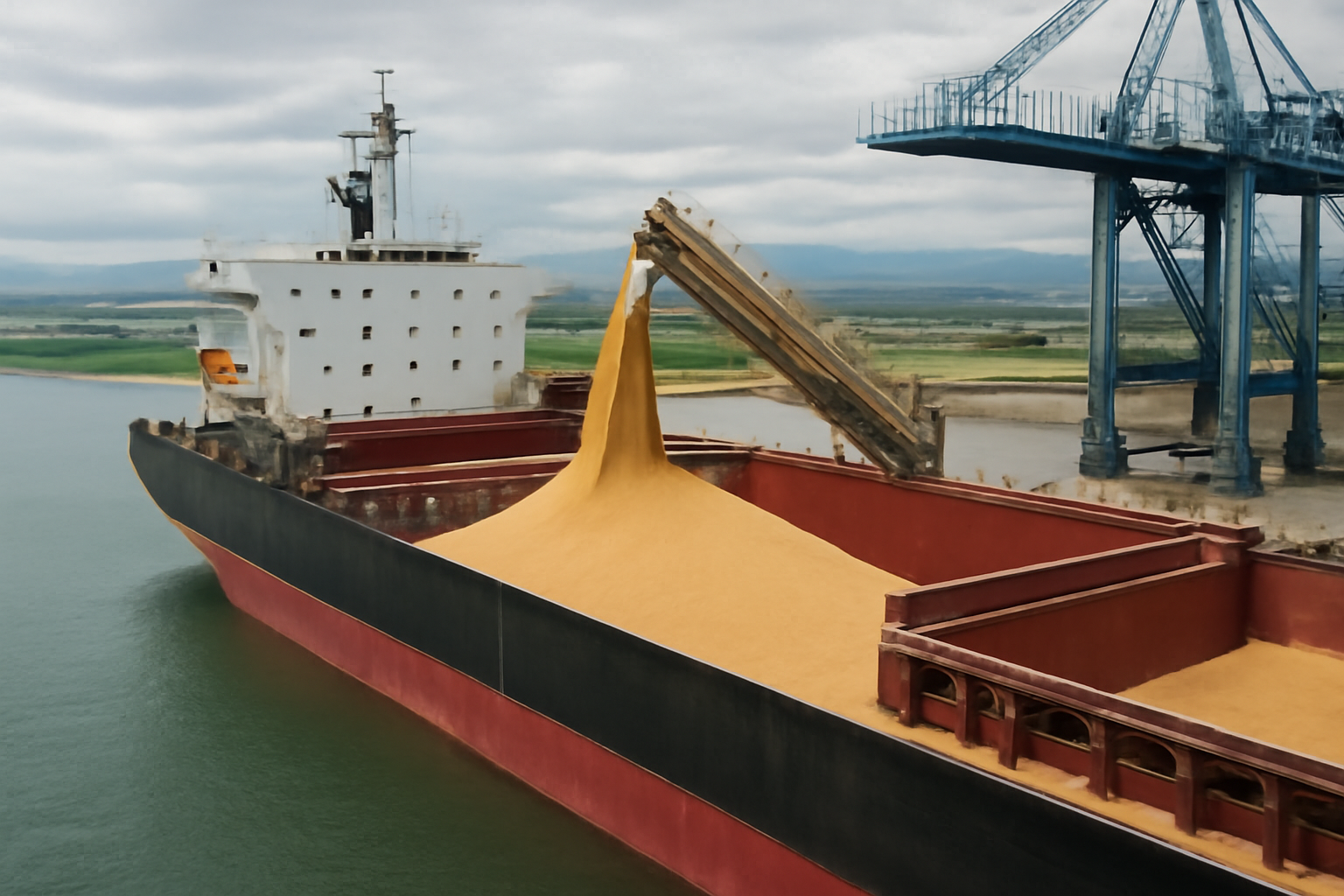
Exports of cereals, pulses, oilseeds and processed products from Turkey's Southeast Anatolia region reached $2.5 billion in the first eight months of the year, Doğru Haber reported.
The outlet framed the result around the region's contribution to Turkey's national grain-sector export total. The figure covers the combined cereals, pulses, oilseeds and products category, the same grouping Turkish exporter associations use in their monthly reporting. The report did not include a breakdown by product group, tonnage or destination market, and gave no year-earlier comparison.
What the grain-sector category covers
In Turkish trade statistics, cereals, pulses, oilseeds and their products are reported as a single block, which is why one headline number covers very different businesses. The category spans:
- raw cereals: wheat, barley, maize and rice
- pulses: red lentils, chickpeas and dry beans
- oilseeds and derivatives: sunflower seed, vegetable oils and oilseed meals
- processed goods: wheat flour, semolina, bulgur, pasta, biscuits and bakery products
The distinction matters for margin analysis. Raw grain leaves the country at commodity value, while flour, bulgur and pasta carry processing margins and are what Turkish mills built their export position on. Without a product split, the $2.5 billion cannot be converted into volumes, because a tonne of pasta and a tonne of feed barley sit at opposite ends of the price range.
Why Southeast Anatolia carries this trade
The region covers provinces including Gaziantep, Şanlıurfa, Diyarbakır, Mardin, Adıyaman, Batman, Siirt, Şırnak and Kilis. Gaziantep is the industrial anchor, hosting one of Turkey's densest clusters of flour mills, semolina and pasta plants and bulgur production. Şanlıurfa and Diyarbakır are among the country's main wheat-growing provinces and the centre of red lentil cultivation, supported by irrigation built out under the Southeastern Anatolia Project.
The region also sits next to the markets it serves. Land routes into Iraq and Syria run through its border crossings, and the milling industry has long worked under the inward processing regime, importing wheat duty-free for re-export as flour and pasta. That combination of imported raw material, local processing capacity and short logistics to nearby buyers is what an eight-month figure of this size reflects.
The numbers the market still needs
Three gaps limit what can be read into the result. There is no growth rate, so it is unclear whether the region gained or lost ground against the same period last year. There is no currency framing: dollar-denominated export values move with the lira, and a weaker currency can lift shipped volumes while flattening the headline value. And there is no destination split, which matters most for exposure to Iraq, Syria and other nearby buyers, where demand is sensitive to political and border conditions.
For producers, mills and traders, the figure works as a directional signal rather than a planning input. It confirms that the grain sector remains one of the region's largest foreign-currency earners, at an average pace of more than $300 million a month across the eight months. Whether that pace holds into the final quarter depends on the wheat import bill, milling margins and demand from neighbouring markets, none of which are visible in the published data.