South Korea’s Songdo Biopharma Hub Imports 95% of Production Inputs
Songdo has world-leading biopharmaceutical production capacity but imports 95% of its raw and auxiliary materials. GlobalData says this dependence exposes a strategic weakness as the global market for bioprocess inputs expands.
Production scale masks dependence on foreign inputs
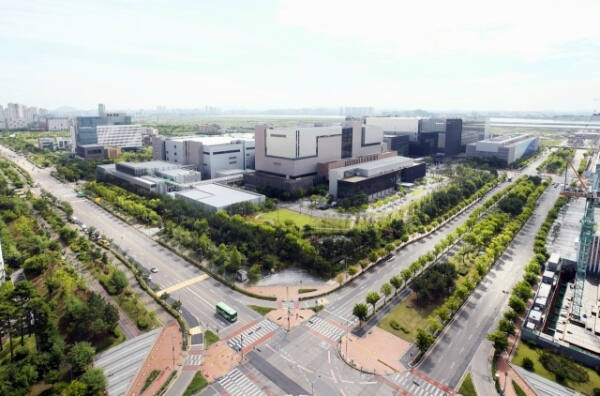
South Korea’s Songdo biotechnology cluster has developed world-leading biopharmaceutical production capacity, but 95% of the raw and auxiliary materials used by its manufacturers are imported. The imbalance leaves one of the industry’s largest production centers heavily exposed to overseas suppliers, according to a market assessment reported by Kyeonggi Ilbo.
The KoreaBIO industry association said GlobalData’s South Korean unit recently presented its outlook for the bioprocess raw-material market to domestic companies supplying materials, components and equipment. GlobalData described Songdo’s biopharmaceutical capacity as among the highest in the world, while its self-sufficiency in production inputs ranks among the lowest.
Global input market forecast to more than double
GlobalData expects the worldwide market for biopharmaceutical raw and auxiliary materials to grow from $38.5 billion in 2025 to $85.7 billion in 2031, representing a compound annual growth rate of 14.3%. The research company identified expanding US biomanufacturing facilities, the Biosecure Act, adoption of next-generation therapeutic modalities and capacity additions by major contract development and manufacturing organizations, or CDMOs, as principal growth drivers.
Demand in South Korea is concentrated among a small number of very large manufacturers. The combined domestic sales of Thermo Fisher, Cytiva-Danaher, Merck and Sartorius—the four leading global suppliers identified in the report—total 1.63 trillion won. About 80% of that amount is generated through Samsung Biologics, illustrating both the scale of its purchasing and the concentration of the local market.
Foreign suppliers are also expanding their physical presence in South Korea. Germany’s Merck is investing about 470 billion won in a bioprocessing center in Daejeon, while Cytiva and Sartorius are pursuing production increases in Songdo. By locating manufacturing and logistics facilities near major customers, international suppliers can improve supply reliability. Their expansion may also widen the gap in pricing power and production scale between multinational groups and South Korean small and medium-sized suppliers.
Certification and testing proposed to support localization
GlobalData characterized biopharmaceutical inputs as strategic assets that determine cost, quality and supply security while providing suppliers with a base for stable recurring revenue. For manufacturers, reliance on imported inputs creates exposure not only to disruptions in international logistics but also to the commercial decisions and capacity planning of a limited group of global vendors.
To raise domestic self-sufficiency, the research company proposed using Songdo as the industrial base for a phased localization program. Its recommendations include developing a certification system for raw and auxiliary materials under the Ministry of Food and Drug Safety’s special CDMO law, establishing test-bed capacity at large companies and linking domestic suppliers’ development with entry into overseas markets. The challenge is to qualify locally made materials without compromising the consistency and regulatory compliance required in biopharmaceutical production.