South Korea highlights Sahara shrimp and potato seed projects with Algeria
South Korea and Algeria plan to deepen agricultural cooperation through Sahara shrimp farming and local production of certified potato seed. The projects could strengthen Algeria’s food production and technical expertise, although investment, capacity and implementation timelines have not been disclosed.
Agriculture enters a broader bilateral agenda
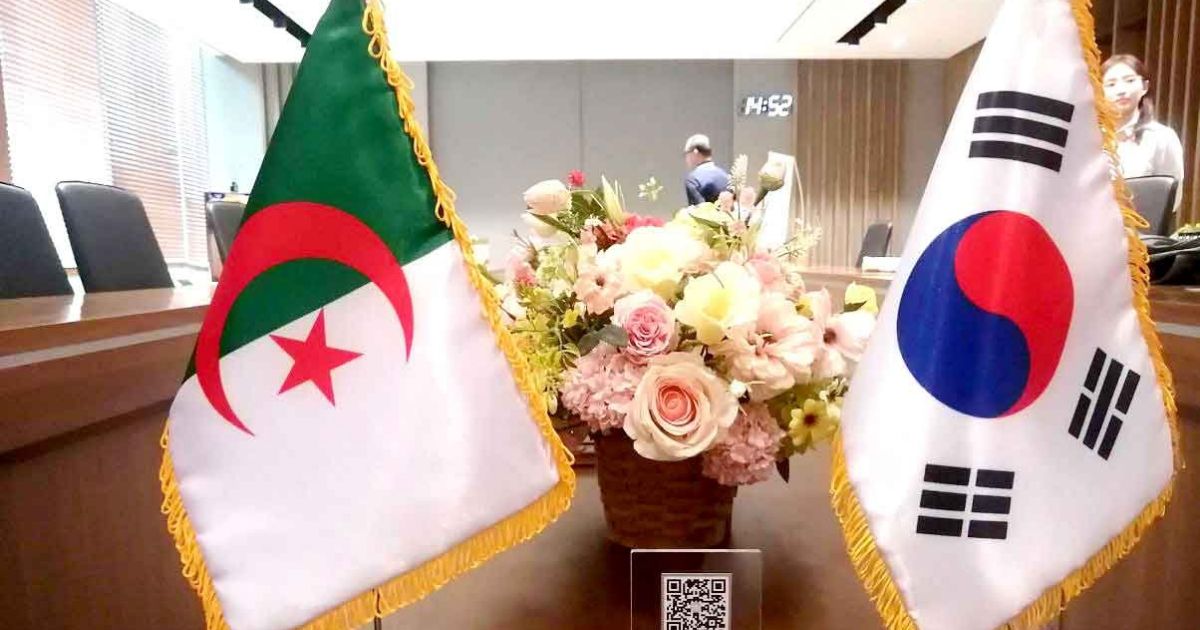
South Korea and Algeria are seeking to expand their two-decade strategic partnership into desert aquaculture and seed production. South Korean Ambassador to Algeria Min Kyung-tae highlighted plans to develop shrimp farming in the Sahara and produce certified potato seed locally during a reception marking South Korea’s national day, according to Algerie360. The initiatives place food production and agricultural technology alongside industry, energy, digital transformation and education in the countries’ next phase of cooperation.
The announcements did not include investment values, production capacities, locations or commissioning dates. They therefore represent a direction for bilateral cooperation rather than fully specified commercial projects. For producers and investors, the decisive issues will include water management, energy requirements, biological performance under desert conditions and the ability to establish reliable local supply chains for inputs, storage and distribution.
Shrimp farming and certified potato seed
The shrimp initiative aims to apply South Korean aquaculture expertise in Algeria’s arid south. JUST-INFODZ reports that the concept involves aquaculture technology adapted to extreme environments and the use of underground water reserves in the Algerian desert. If implemented at commercial scale, desert production could add a new source of domestic shrimp supply, but the available reports provide no target output, water-consumption estimates or details on processing and cold-chain infrastructure.
The second project concerns domestic production of certified potato seed using smart-farming techniques suited to the Saharan climate. Locally produced seed could give Algerian potato growers another source of planting material and strengthen domestic technical capacity in seed multiplication and certification. Its market effect, however, will depend on seed quality, multiplication volumes, disease control and distribution to commercial farms. Neither publication specifies the South Korean companies involved or the ownership and financing structure of the project.
Energy trade provides the commercial backdrop
The agricultural plans form part of a much wider economic relationship. Algerie360 reports that Algeria became South Korea’s largest naphtha supplier for the first time during the first half of the year, accounting for 17.2% of the South Korean market. Min said this position in conventional energy could support cooperation in higher-value sectors. The proposed agenda also covers advanced industry, automobiles, liquefied natural gas, renewable energy, hydrogen, data management and digital technology.
South Korean companies already have experience in Algeria through power plants, port infrastructure and new-city projects. An agreement signed in July to open a direct air route between Algiers and Seoul is intended to facilitate travel by businesspeople, engineers and students, although the reports give no launch date. For the Sahara projects, closer transport and technical links could help move specialists and equipment, but commercial viability will ultimately depend on measurable yields, operating costs and secure resource use. Until capacity, financing and schedules are published, the shrimp and potato initiatives are best viewed as early components of an expanding Algeria–South Korea technology partnership.