South Korean Alcohol Shipments Fall Below 3 Million Kilolitres for First Time in 27 Years
South Korea’s alcohol shipments fell to 2.987 million kilolitres in 2025, dropping below 3 million for the first time since 1998. Producers are cutting costs and shifting toward low-alcohol, alcohol-free, ready-to-drink and export products as beer, soju and whisky demand weakens.
Shipments fall below 3 million kilolitres
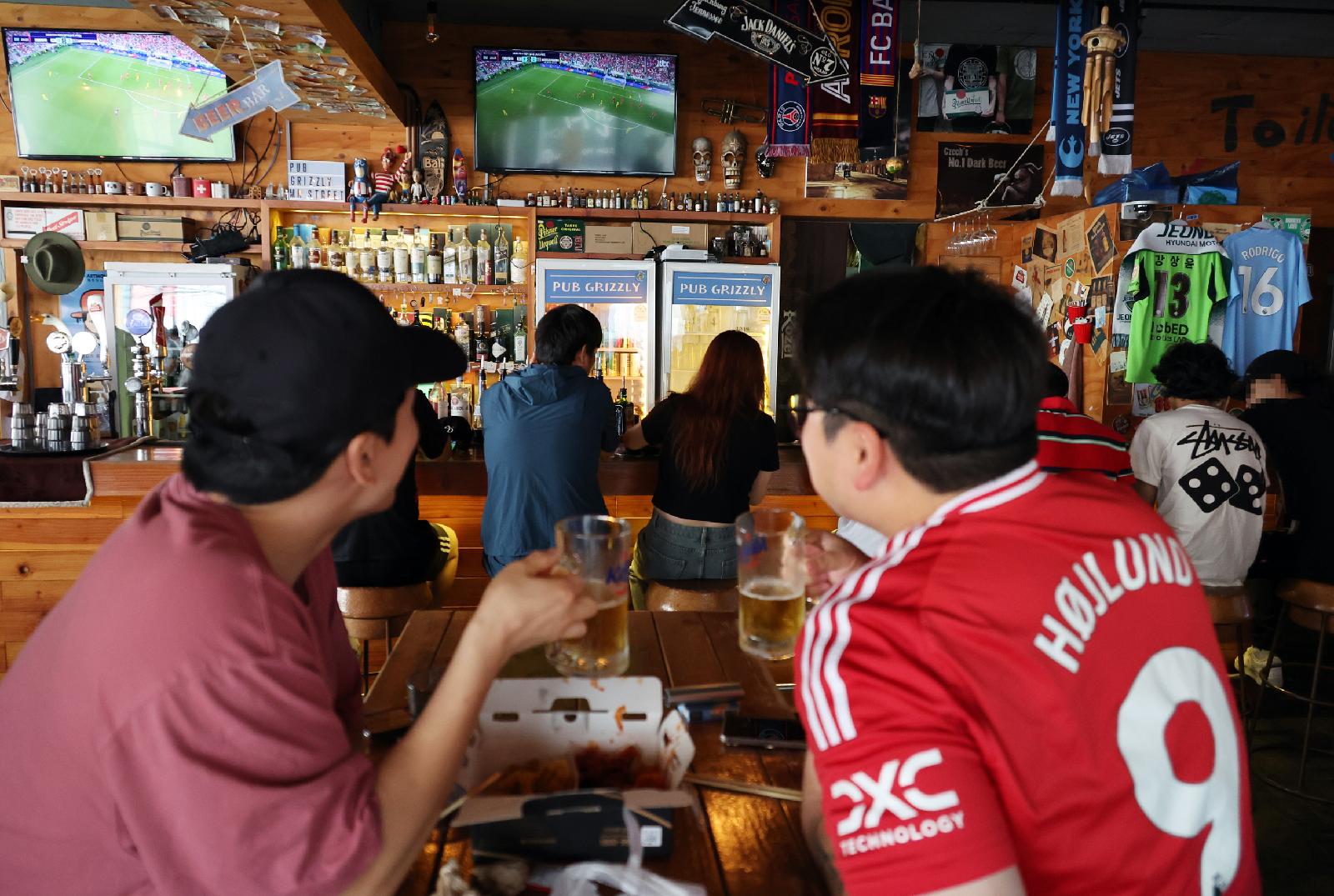
South Korea’s domestic alcohol shipments declined to 2.987 million kilolitres in 2025, according to National Tax Service data reported by Maeil Business Newspaper. Annual volume fell below 3 million kilolitres for the first time since 1998, during the Asian financial crisis. The decline extended across beer, soju and makgeolli, indicating that weakness is not confined to a single category.
Beer, the largest segment by volume, recorded shipments of 1.519 million kilolitres. That was 7.2% lower than a year earlier and marked a third consecutive annual decline. Consumer behaviour is also changing: a survey by the Ministry of Agriculture, Food and Rural Affairs and Korea Agro-Fisheries & Food Trade Corporation found that drinkers consumed alcohol on an average 8.8 days per month and drank 6.6 glasses per drinking day. The comparable 2023 figures were 9.0 days and 6.7 glasses.
Lower demand hits earnings and employment
The contraction is placing pressure on both local producers and international spirits groups. Yonhap News Agency reported that Diageo Korea’s operating profit fell from KRW18.2 billion to KRW9.4 billion in the period from July 2024 through June 2025. The company recently offered voluntary retirement to all employees, roughly two years after conducting an earlier programme. Campari Korea’s 2025 operating profit dropped 53% to KRW1.29 billion from KRW2.75 billion. Golden Blue recorded a KRW3.3 billion operating loss and a KRW2.6 billion net loss in the first half of 2026, after remaining profitable in the corresponding period a year earlier.
Pressure has spread beyond whisky. Lotte Chilsung Beverage, which sells Chum Churum and Saero soju and Kloud beer, reported second-quarter 2026 operating profit of KRW55.8 billion, down 10.4% year on year. Whisky suppliers face an additional shift toward lighter highballs made with carbonated water or other mixers, reducing demand for expensive bottles consumed neat. Inflation and slower economic growth may also be contributing to the broader decline, while health concerns, demographic contraction and less alcohol-centred workplace gatherings are reshaping long-term consumption.
Producers pursue new categories and exports
Companies are responding with low-alcohol, alcohol-free and ready-to-drink products. First-half 2026 sales of Lotte Chilsung’s Soonhari Jin fruit sparkling drink reached KRW17 billion, exceeding its KRW16.2 billion sales for all of 2025. OB Beer retained a 43.5% share of the home-market non-alcoholic beer segment in the second quarter of 2026 with Cass Zero 0.0. Beer K said non-alcoholic products generated an 8–12% gross margin by litre, compared with 1–3% for alcoholic products, partly because they are not subject to liquor tax.
Niche categories are growing even as total volume contracts. Domestic fruit-wine shipments reached 17,000 kilolitres in 2025, while general distilled spirits reached 4,000 kilolitres and brandy 31 kilolitres. Traditional liquor producer Jipyeong Brewery more than doubled operating profit to KRW7.8 billion from KRW3.7 billion, and launched two 5.6% alcohol-by-volume makgeolli products domestically after previously selling them only overseas. Exports are another route to growth: overseas sales of “other liqueurs,” including fruit soju, increased 4.3% to $100.41 million in 2025, exceeding $100 million for the first time. Golden Blue also began exporting two whisky brands to Japan in May 2026.