South Korea Advances First Persimmon Exports to China as Farm Talks Resume
China will inspect South Korean persimmon export production areas in October, bringing the fruit closer to its first entry into the Chinese market. The agreement accompanied the first meeting of the Korea-China Agricultural Cooperation Committee in 8 years and initial quarantine talks on Jeju Korean beef.
October inspection sets path for first shipments
South Korea and China have agreed that Chinese officials will conduct an on-site inspection of Korean persimmon export production areas in October, a key step toward the fruit's first entry into the Chinese market. News1 reported that the inspection could allow exports to begin within the year if the subsequent registration of export farms is completed.
The timetable follows a memorandum of understanding on Korean persimmon exports signed around the Korea-China summit in November 2025. The October visit is therefore part of the technical follow-up rather than final market approval. Exporters and growers must still pass the inspection and registration stages before commercial consignments can move.
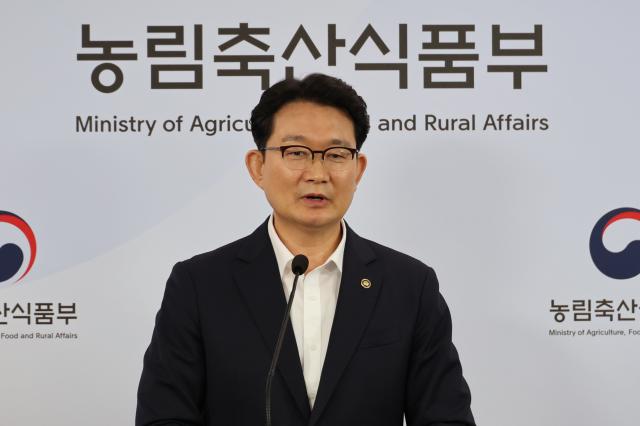
The agreement emerged during South Korean Vice Minister of Agriculture, Food and Rural Affairs Kim Jong-gu's visit to Beijing on September 6-7. Kim met Zhang Baofeng of China's General Administration of Customs to discuss the inspection and asked for Chinese cooperation on newly opened quarantine negotiations for exports of Jeju Korean beef.
Agricultural committee reconvenes after 8 years
The visit included the 19th Korea-China Agricultural Cooperation Committee on September 7, the first session in 8 years. According to News1, officials exchanged policies and discussed joint work across 5 areas: science- and technology-based agricultural innovation, climate change, young farmer development, transboundary animal diseases and conservation of Globally Important Agricultural Heritage Systems.
Kim also met Chinese Vice Minister of Agriculture and Rural Affairs Zhang Zhili. The two sides discussed wider exchanges between agricultural research institutes and companies, as well as cooperation in smart farming and livestock disease control. South Korea proposed a regular bilateral veterinary and quarantine consultative body for sharing information on transboundary animal disease outbreaks and related control policies. Zhang responded positively, News1 reported.
Contacts between younger officials also resumed. A friendship football event involving officials from both countries was held on September 6 for the first time in 13 years, followed by a meeting on September 7 covering work experience and the future development of agriculture.
China remains a priority market for Korean food
During the Beijing trip, Kim met K-food exporters and related organizations to hear about Chinese market conditions and difficulties encountered during export procedures. Participants included CJ, Pulmuone, HiteJinro and Kappa INT, alongside the Korea Agro-Fisheries and Food Trade Corporation, the Rural Development Administration, NongHyup and the Korea Rural Economic Institute. Kim also visited Hema Xiansheng's Wangjing store to review the local distribution and sale of Korean agricultural and food products.
Kim described China as South Korea's second-largest K-food export market and said progress in quarantine negotiations for promising fresh agricultural and livestock products should support wider K-FRESH exports. For persimmon suppliers, however, the immediate commercial milestone is the October inspection. Its outcome and the completion of farm registration will determine whether the planned opening produces initial shipments within the year. Beef remains at an earlier negotiating stage, while the proposed veterinary mechanism could provide a continuing channel for handling animal-health barriers.