South Africa on track for record 17.3-million-tonne maize harvest despite slow start
South Africa is on track for a record maize harvest of 17.3 million tonnes, according to Farmer's Weekly, even though harvesting is running about 14% behind last year's pace. Industry experts describe the slower start as a matter of timing rather than a threat to the crop.
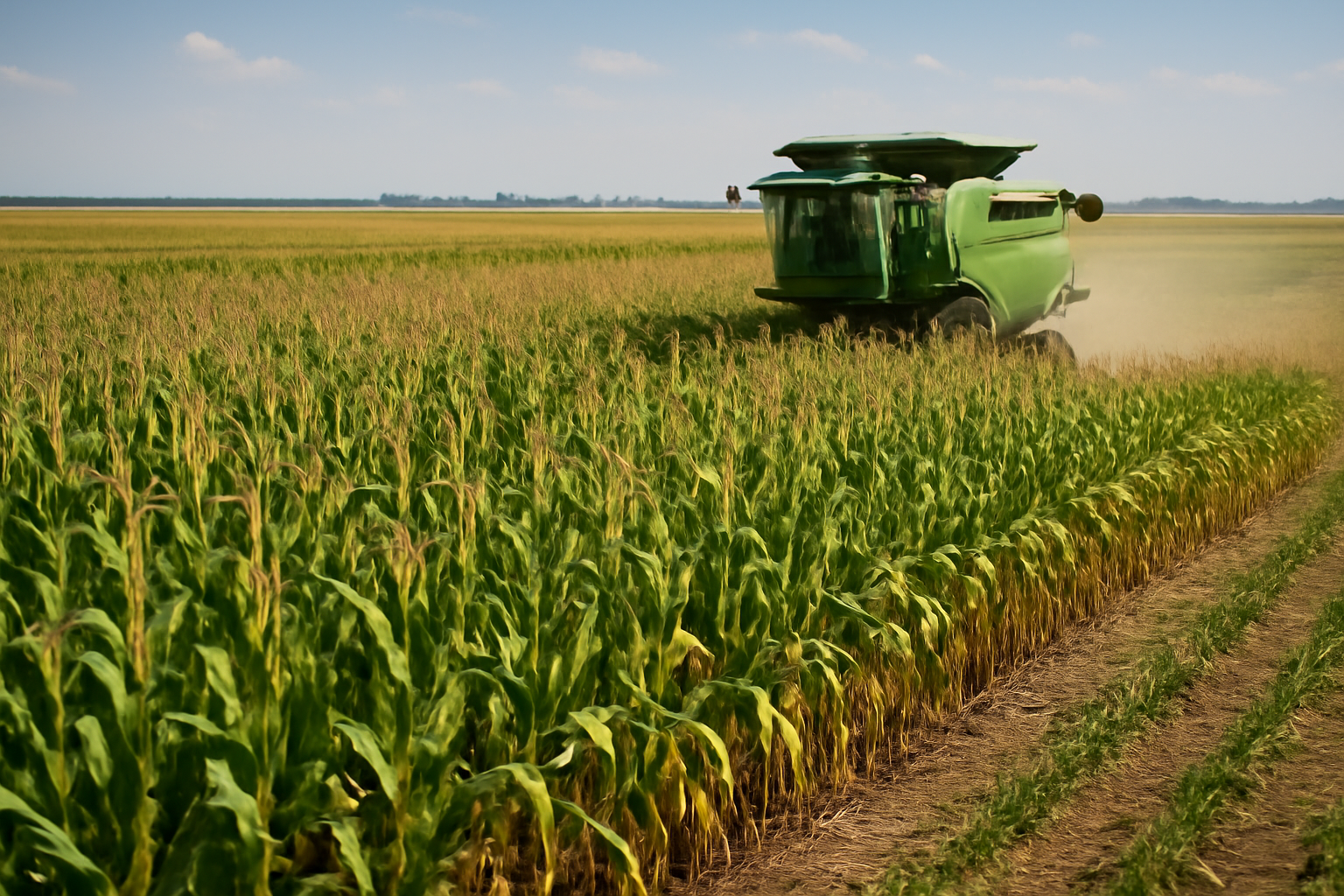
Record harvest in sight despite a slow start
South Africa is on course to bring in a record maize crop of 17.3 million tonnes, according to Farmer's Weekly, even though the harvest has started more slowly than in the previous season. The publication reports that fieldwork is running roughly 14% behind last year's pace, a lag that has drawn the attention of growers and grain handlers but which industry experts say is not a cause for concern.
The gap reflects the timing of the season rather than any shortfall in the crop itself. A later start to harvesting pushes deliveries back in the calendar, but the volume expected to come off the fields would still exceed anything the country has produced before.
Why the delay is not a red flag
According to Farmer's Weekly, industry experts see little reason for alarm in the slower pace. Harvesting schedules vary from year to year with planting dates, rainfall and the moisture content of the grain, and a crop that comes in late can still come in large. The 14% lag measures how much has been gathered so far, not the size of the standing crop.
Regional supply implications
A record South African crop matters well beyond the country's borders. As the largest maize producer in southern Africa, South Africa is a routine supplier to neighbouring markets that depend on imports to cover their own consumption. A large harvest eases the pressure on regional availability and gives importers in the surrounding region a nearer, well-supplied source to draw on.
Maize is the region's staple food grain as well as a core feed input for livestock and poultry, so the size of the South African crop feeds directly into food and feed costs across a wide area. A record volume points to comfortable supply once the delayed harvest is fully gathered.
What to watch from here
The main variable now is how quickly the remaining crop comes off the fields. Farmer's Weekly frames the slower pace as a matter of timing rather than lost tonnage, meaning the 17.3-million-tonne figure hinges on harvesting catching up over the weeks ahead. For grain handlers, storage operators and exporters, the practical question is logistics — moving and storing a record crop that is arriving later than usual.
For now, the headline number stands: a record 17.3 million tonnes in prospect, delivered on a compressed timetable.