South African maize surplus eases feed costs as fuel and drought risks rise
South Africa’s record maize harvest and substantial carryover stocks are limiting near-term price pressure and offering relief to livestock and poultry producers. However, possible El Niño-driven drought, rising fuel costs and other inputs could prevent a comparable fall in finished-feed prices.
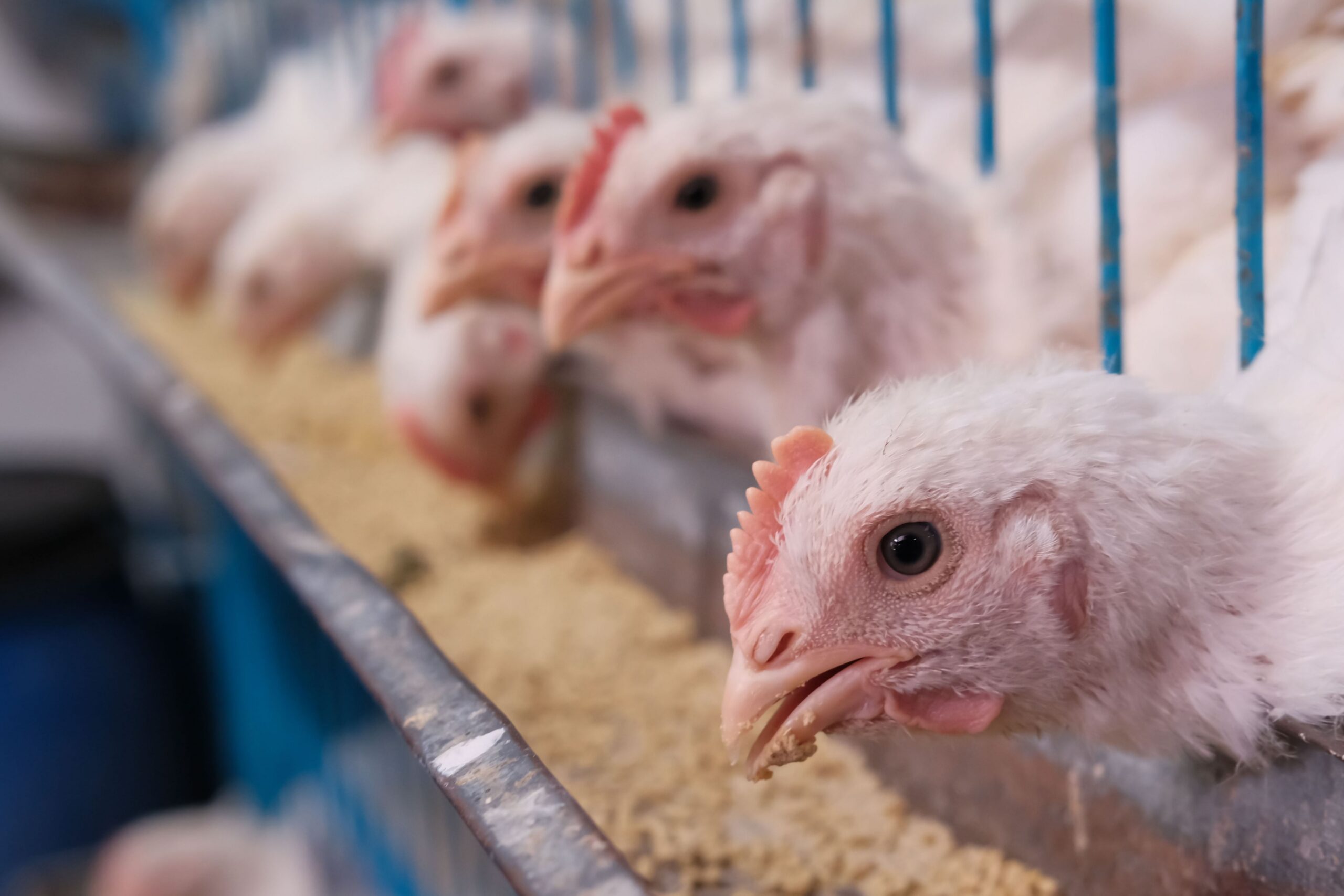
Record harvest strengthens domestic supply
South Africa’s record maize harvest is improving the near-term cost outlook for livestock and poultry producers, although lower grain prices may not translate fully into cheaper finished feed. Food For Mzansi reports that potential El Niño-driven drought, rising fuel costs and broader input-price pressures could erode part of the benefit from abundant maize supplies.
According to the Absa AgriTrends Spring 2026 edition, the maize market should remain adequately supplied for the rest of the current marketing season. Record production and substantial carryover stocks are supporting that outlook and are expected to limit upward price pressure in the near term.
The supply position matters particularly for intensive livestock operations because maize is a central feed ingredient. Anina Hunter, feed director at Epol, told Food For Mzansi that the harvest had created a favourable local supply-and-demand balance, supporting short-term price stability. Greater availability can reduce costs for feed manufacturers and provide some relief to livestock producers.
Finished-feed costs remain exposed
The effect will not necessarily be proportional. Feed manufacturers also pay for other raw materials, procurement, processing and logistics, while commodity markets remain volatile. A decline in maize prices therefore does not guarantee a similarly large reduction in the selling price of compound feed.
Hunter said feed represents about 70% of livestock producers’ input costs, making maize and other raw-material prices especially important to farm margins. She added that softer commodity prices had contributed to lower feed selling prices during the past financial year. The current surplus offers producers additional breathing room, but its value depends on movements elsewhere in the cost base.
Fuel is one of the main counterweights. Higher prices raise the cost of moving grain, operating farms and distributing finished feed and animal products. For poultry businesses that also run abattoirs or other processing facilities, the effect can extend across several stages of production rather than remaining confined to the feed mill.
Attention shifts to the next season
The market is increasingly focused on the 2026/27 production season and the possibility that El Niño conditions could bring drought. Poultry producer and abattoir owner Jeremiah Jotham said that, without the drought projections, the existing surplus would normally support expectations of a drastic decline in feed costs. Instead, farmers may need to secure reserves if dry conditions materialise.
Jotham expects the surplus to prevent a sharp rise in feed prices, but said costs could remain near current levels or increase slightly, depending on the drought’s severity. He described that view as a personal assessment rather than a scientific forecast. The distinction leaves the industry with a relatively comfortable present supply position but a less certain forward cost outlook.
Jotham also argued that greater participation by smaller businesses and closer integration across poultry farms, abattoirs, rendering plants and feed mills could improve production economics. Abattoir waste, including blood, can be processed into blood meal for feed, reducing the range of ingredients that integrated producers must purchase. Such investment cannot eliminate exposure to maize, weather or fuel, but it could help smaller operators retain more value and reduce some input dependence.