South Africa raises 2025/26 maize harvest forecast to 17.363 million tonnes
South Africa’s Crop Estimates Committee expects the 2025/26 maize harvest to rise 4.3% to 17.363 million tonnes. The larger crop includes 9.391 million tonnes of white maize and 7.972 million tonnes of yellow maize.
Committee lifts maize estimate
South African farmers are expected to harvest 17.363 million metric tonnes of maize in the 2025/26 season, according to the government’s Crop Estimates Committee. The sixth summer crop forecast is 4.3% above the 16.65 million tonnes harvested in the previous season.
The latest projection also represents an increase from the committee’s June 25 estimate of 17.255 million tonnes. The revision adds 108,000 tonnes to the expected harvest, reinforcing expectations that South Africa will have a larger maize supply than in the preceding season.
White maize remains the largest component
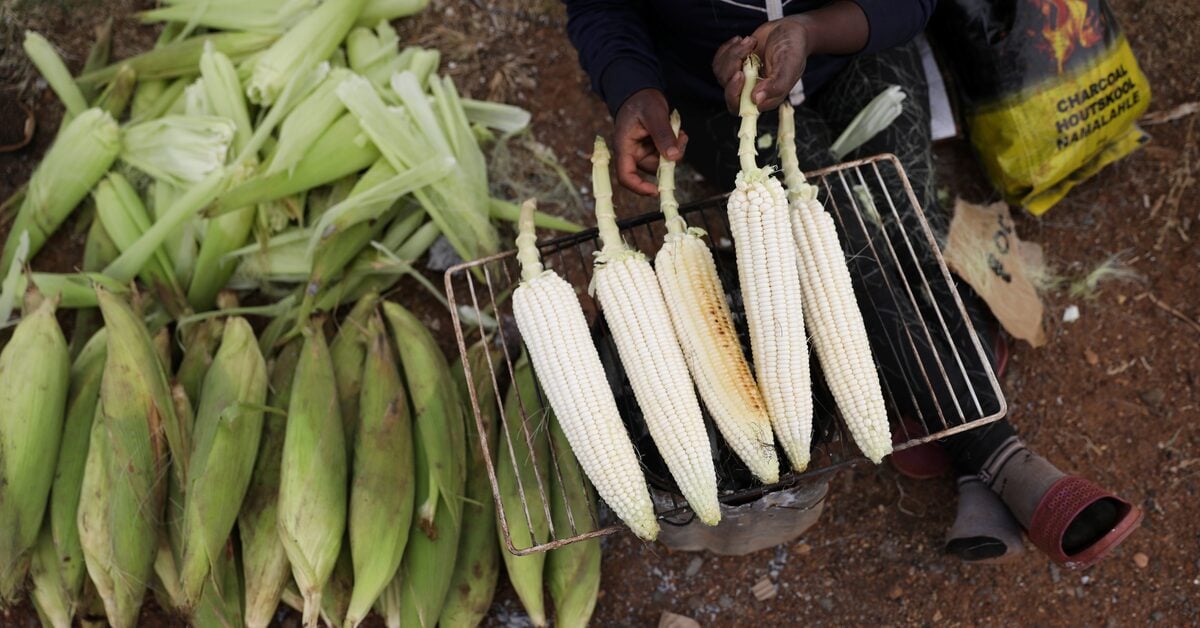
The forecast comprises 9.391 million tonnes of white maize and 7.972 million tonnes of yellow maize. White maize, primarily used for human consumption, accounts for slightly more than half of the projected national crop. Yellow maize is used mainly in animal feed.
Reuters reported the figures following the committee’s latest forecast, while Devdiscourse also cited the official estimate and the division between the two maize categories. The sources provide no separate comparison with last season for white and yellow maize, so the reported 4.3% increase applies to total production.
Larger crop strengthens regional supply position
The higher estimate points to increased domestic availability for food processors, feed manufacturers and grain traders. The white maize volume is particularly relevant to the human food market, while the yellow maize forecast determines the supply available to livestock and poultry feed users.
A crop of 17.363 million tonnes could also give exporters more room to serve regional buyers after domestic requirements are covered. The published estimates do not specify an export forecast, destination markets, planted area, yields or expected prices. Any effect on trade flows will therefore depend on final harvesting results, domestic consumption and the commercial availability of each maize type.
The upward revision from June is modest compared with the total crop, but it gives market participants a firmer indication of supply as the season advances. Producers and traders will continue to assess whether the expected volumes translate into greater marketable surpluses, while processors and feed users will focus on the availability and pricing of the white and yellow maize components.