South African Citrus Season Described as Worst on Record as Storms and Port Delays Hit Quality
Storm damage, weak Brix levels and chronic port congestion have made this one of the hardest South African citrus campaigns on record, according to FreshPlaza. Lemon prices fell from €30-35 at the start of the season to €10-15 for quality fruit, while orange consumption is running 10-15 percent behind last year. Late mandarin varieties are the exception, and South Africa's early finish clears the way for Spain.
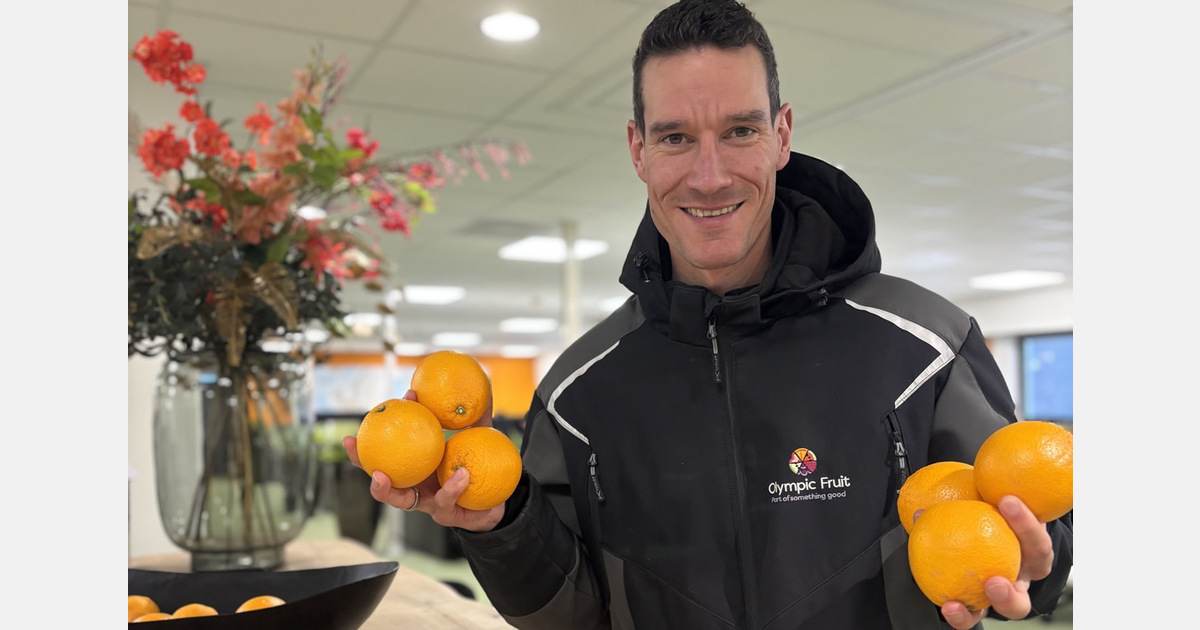
South Africa’s citrus export season is being described by the trade as the worst on record. “Even the most experienced suppliers are talking about the worst year ever recorded,” Patrick van Schetsen of Dutch importer Olympic Fruit told FreshPlaza. The campaign combined orchard damage, inconsistent internal quality, congested ports and a European market that struggled to absorb the fruit, with late mandarins the one clear exception.
Storm damage, weak Brix and congested ports
According to van Schetsen, heavy rainfall in spring was followed by a tornado that caused significant damage to the rind. Growers then found that fruit struggled to reach the desired Brix levels and that taste was highly variable across consignments. For programmes built on repeat retail listings, inconsistent eating quality is a commercial problem as much as an agronomic one, because buyers cannot price fruit reliably when sugar content and flavour differ from carton to carton.
Logistics compounded the damage. FreshPlaza reports problems throughout the season, with ports in the north of the country full to capacity. At certain moments several million cartons were waiting to be shipped. “For a product whose quality is already not exceptional, a delay of one to two weeks is obviously not favourable,” van Schetsen said. The bottlenecks have not cleared: bad weather slowed operations again last week, creating a further backlog of goods.
The penalty compounds down the chain. Fruit with a weakened rind has less tolerance for additional days in transit, and arrival condition decides whether a consignment enters a supermarket programme or is cleared at a discount.
Grapefruit and oranges lose ground at retail
The outcome was an unfavourable market, particularly for grapefruit and, to a lesser extent, oranges. Retail data cited by van Schetsen shows orange consumption running 10 to 15 percent behind last year. He attributes part of that to heat, noting that consumers switch more readily to other products such as melons when temperatures are high. A structural factor also weighs on the category: grapefruit and, to a lesser degree, oranges are bought mainly by older consumers, a trend visible in retail data for several years.
Lemons: record volumes flood Europe
The lemon market also fell sharply, but for supply reasons rather than demand. Record production, combined with the situation in the Middle East and Russia, left Europe flooded with lemons in July. The price path through the season was steep:
- Opening market prices of €30 to €35, which raised expectations among growers.
- Quality lemons eventually traded at €10 to €15.
- Off-size fruit and Class II dropped quickly below €10.
The opening level quickly proved unsustainable, van Schetsen said, after it had created considerable hope across the grower base.
Late mandarins and the handover to Spain
Mandarins are the positive exception. The clementine season was adequate, while the late varieties Nadorcott, Orri and Tango are performing well. Demand softened slightly two weeks ago but has recovered strongly since last week, although van Schetsen had expected that recovery somewhat earlier. Summer competition is also fading: abundant berries and stone fruit overshadow citrus, and as those seasons end with fewer alternatives on shelf, citrus sales should pick up.
South Africa will close its mandarin season prematurely and the last hand-picked oranges are already on their way. That matters for Spain, which expects an abundant crop. With early Spanish mandarins not yet having the necessary shelf life, retailers prefer to extend the season with South African fruit, and the early South African exit should allow Spain to start on a fairly favourable market. For lemons and juicing oranges the start is far more uncertain, because available supply remains abundant.
Asked about the main market trends, van Schetsen points first to international consolidation in purchasing, driven by rising costs at every level, and to the question of how quickly the market can adapt. He cites El Niño as the immediate test: heavy rainfall is forecast in South America in the coming year and, conversely, drought in South Africa.