Smaller German Apple Harvest Squeezes Growers as Imports and Costs Weigh
Germany’s apple harvest is expected to fall around 18% from the previous year after frost, drought and heat, compounded by the trees’ natural cycle after a record crop. Growers face low retail prices, cheaper imports and high costs, while tight apple juice concentrate supplies could push consumer prices higher.
German apple growers face a smaller crop and weak returns
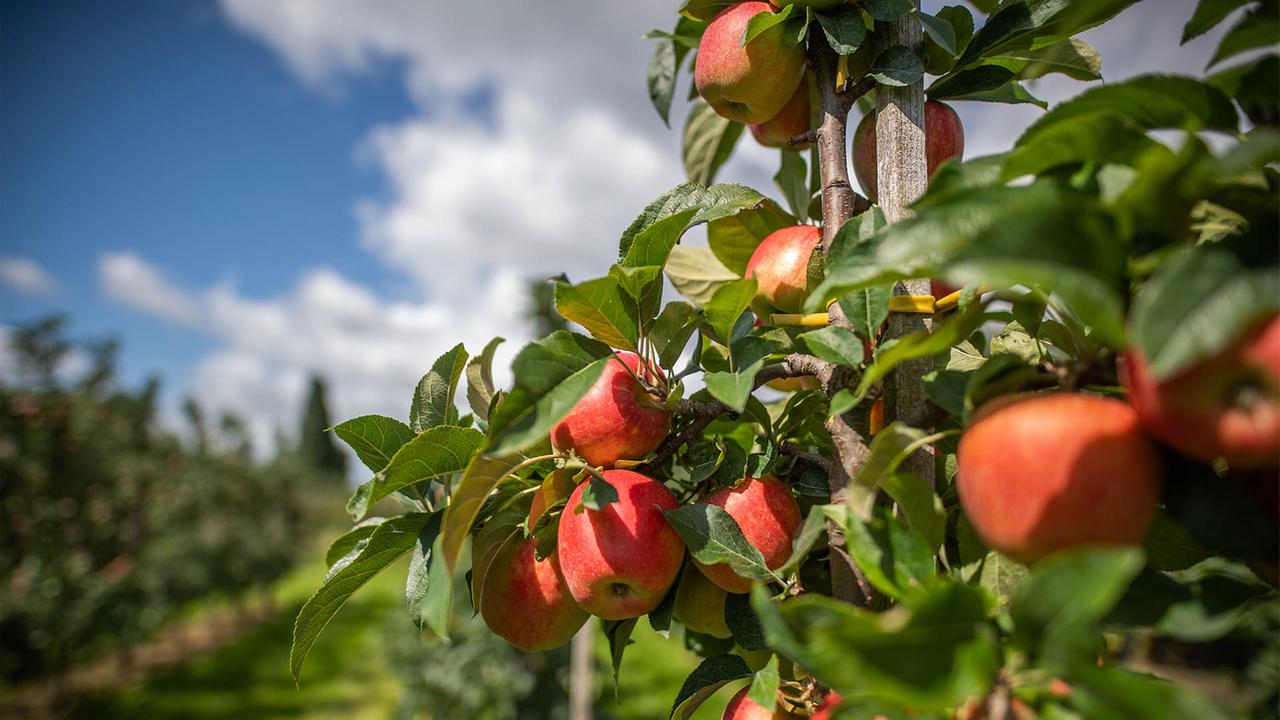
Germany’s apple harvest is expected to be around 18% smaller than in the previous year, according to initial estimates from the Federal Statistical Office reported by Tagesschau. Frost early in the season, followed by drought and heat, reduced yields. The decline also reflects alternation, the natural tendency of apple trees to bear less fruit after a particularly large crop. The previous harvest was a record.
The contraction comes despite efforts by growers in the Altes Land region to cool and irrigate orchards with water from the Elbe. The area, Germany’s largest fruit-growing district, contains around 30 million apple trees and more than 600 fruit growers. Climate pressure is becoming a more persistent production risk as younger farmers also confront succession questions and the economics of maintaining domestic orchards.
Low shelf prices conceal pressure on producers
Consumers have not yet felt the effect of the smaller crop. During the third week of August, shoppers paid an average of €2.20 per kilogram for apples at German supermarkets and discount stores, according to the Agricultural Market Information Company, or AMI. That was 10% below the comparable level a year earlier because apples from the 2025 harvest were still being marketed and supplies remained relatively abundant.
For growers, those prices offer little relief. Tagesschau reports that the market has been supplied with low-priced fruit from Europe and overseas while domestic storage facilities remain full. Apples from Turkey, Greece and even New Zealand can sometimes cost only half as much as German produce. Local farms must absorb comparatively high energy and labour expenses, limiting their ability to match imported prices without sacrificing margins.
The pressure is particularly significant because apples are Germany’s most popular fruit. The Federal Association of Producer Organisations for Fruit and Vegetables estimates that each German eats around 90 apples a year. Prices could rise in the coming months as old-crop inventories diminish and the reduced new harvest reaches the market. Output is also falling elsewhere in Europe, especially in Poland, which accounts for 30% of European apples and has by far the continent’s largest apple-growing area.
Apple juice market faces a separate supply squeeze
The processed market is already tighter. The Association of the German Fruit Juice Industry says consumers have increasingly switched to apple juice because orange juice became more expensive following a poor orange harvest. Apple juice concentrate is also used as a sweetener and is being blended more heavily into other fruit juices when alternative fruits become costly. European inventories of the concentrate are now empty, according to Tagesschau.
Poland’s weak crop of processing apples has compounded the shortage. These apples, including fallen fruit and lower-quality grades, are an important raw material for concentrate. Supply disruption has been intensified by the insolvency of STUTE, a large Paderborn producer that manufactured fruit juice and jam, including private-label juice for discount retailers.
Retail negotiations and diversification shape the outlook
Alternative juice manufacturers are seeking higher prices because concentrate is scarce and a major processor has left the market. Aldi, which was particularly exposed to STUTE’s failure, has resisted the increases, Tagesschau reports. Apple juice shelves in many Aldi stores have consequently remained largely empty for weeks, while availability at other discount chains is also limited. Some growers are diversifying rather than relying entirely on apples: producer Malte Somfleht is cultivating apricots in the Altes Land, where warmer conditions have made the crop possible and demand at northern German markets has been strong.