Smaller African coffee origins seek revival from Nigeria to Madagascar
Smaller African coffee producers, including Nigeria and Madagascar, are seeking to expand production and commercial sales. Their prospects depend on converting revival initiatives into reliable volumes that can compete with Africa’s established origins.
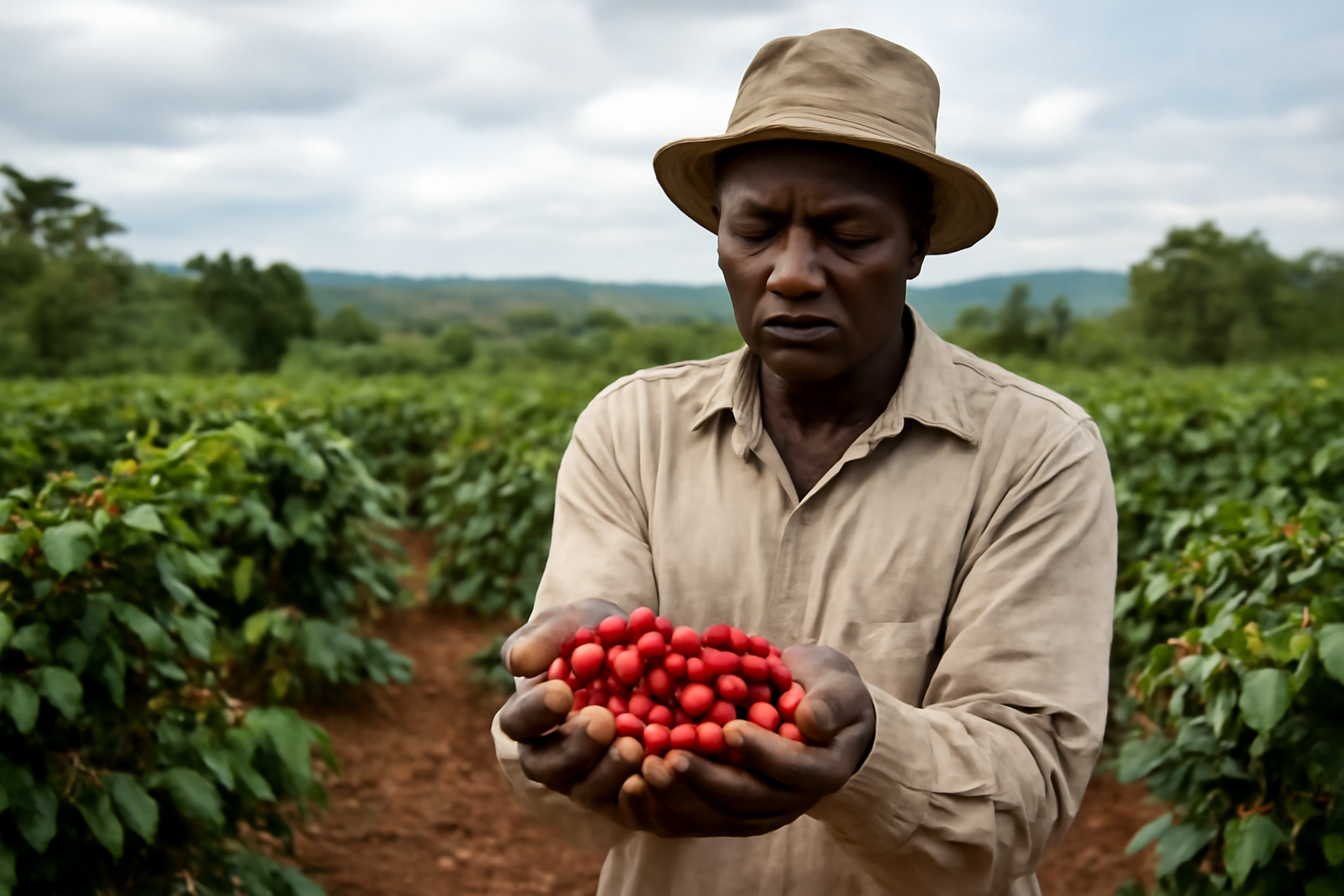
Smaller origins pursue coffee-sector revival
African coffee production and commercialization remain concentrated among a limited group of established origins. Agence Ecofin identifies Ethiopia, Uganda and Côte d’Ivoire among the countries that dominate the continent’s industry, while smaller producers from Nigeria to Madagascar are pursuing efforts to revive their coffee sectors.
The initiatives place production growth and commercialization at the center of the agenda. For smaller origins, raising output is only one part of the challenge. Additional coffee must also reach processors, traders and buyers in consistent volumes and with specifications that allow it to compete in domestic and export channels.
Commercial scale is the central test
Nigeria and Madagascar represent different parts of the African coffee landscape, but both illustrate the potential role of smaller producers. A successful revival could broaden the continent’s supply base beyond its leading origins and create new opportunities for growers, processors and exporters. The supplied source material, however, provides no production targets, investment figures, project schedules or expected export volumes.
That lack of detail makes implementation the main issue for market participants. Traders need predictable availability before developing regular purchasing programs. Processors require enough throughput to operate efficiently, while producers need dependable outlets for harvested coffee. Without those links, higher farm output may not translate into sustained commercial growth.
Established producers set the benchmark
Ethiopia, Uganda and Côte d’Ivoire already hold stronger positions in African coffee production and marketing, according to Agence Ecofin. Smaller origins must therefore compete against countries with established supplier relationships and greater market recognition. Their opportunity lies in building dependable supply rather than simply announcing higher production ambitions.
For importers and international buyers, additional African origins could widen sourcing options. For local exporters, revival programs could create new business if coffee is collected, processed and marketed consistently. The commercial impact will depend on whether initiatives in Nigeria, Madagascar and other smaller producing countries move from sector policy into repeatable sales. Until specific output, capacity and export data are available, the scale of any shift in African coffee trade remains uncertain.