Sibur plans 300,000-tonne metallocene polyethylene capacity in Nizhnekamsk
Sibur plans to start metallocene polyethylene production at Nizhnekamskneftekhim in 2027. The 48 billion-ruble project will have annual capacity of 300,000 tonnes, targeting import replacement and demand from processors in Russia and the CIS.
Launch scheduled for 2027
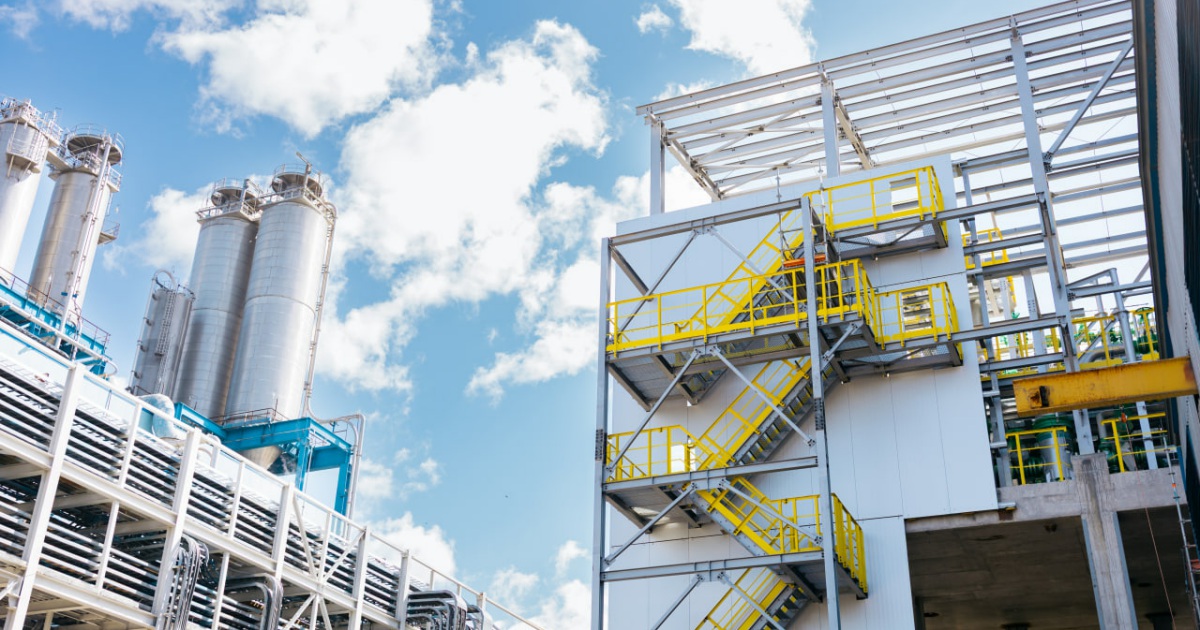
Sibur plans to begin producing metallocene polyethylene at its Nizhnekamskneftekhim site in Nizhnekamsk in 2027, RBC Tatarstan reported. The project will have annual capacity of 300,000 tonnes and require 48 billion rubles of investment. The material is intended for strong, lightweight films, packaging, pipes, insulation and durable components used in vehicles and household appliances.
Construction is 70% complete and running ahead of schedule, according to Nizhnekamskneftekhim. The site has received 95% of its process equipment, while key units for propane and nitrogen separation and prepolymerization have been installed. These include the loop reactor and catalyst preparation unit. A new distillation column will return gases used in polyethylene production to the process cycle, reducing the complex's environmental load.
The facility will use ethylene from the EP-600 olefins complex commissioned in 2025. That project raised Nizhnekamskneftekhim's ethylene output to 1.2 million tonnes per year and involved investment of 200 billion rubles. Sibur executive Igor Klimov said the polyethylene project and new styrene-chain processing stages would help monetize this additional ethylene production.
Domestic catalyst anchors the project
The new grades will use a catalyst developed by Sibur Innovations. Sibur is also building a research and technology-scaling center near Kazanorgsintez in Kazan for approximately 5 billion rubles, with commissioning planned for the first quarter of 2027. A neighboring catalyst factory is expected eventually to cover 100% of Sibur's demand for modern catalysts.
Klimov said foreign licensors left the Russian market in 2022, after which the company found alternatives but remained dependent mainly on Chinese suppliers. Machinery companies and manufacturers from Russia and friendly countries have been engaged to supply equipment and materials for the Nizhnekamsk project.
Experts cited by RBC Tatarstan offered differing descriptions of Russia's existing production base. Finam Management analyst Dmitry Baranov said Russia previously lacked industrial capacity for metallocene polyethylene grades of this level. RUPEC editor-in-chief Dmitry Semyagin said Kazanorgsintez already operates Russia's only metallocene linear low-density polyethylene production, with capacity of up to 100,000 tonnes, using foreign technology and catalyst. Elena Ganshina of the Financial University likewise described Nizhnekamskneftekhim as Sibur's second production site for this material after Kazanorgsintez.
Capacity exceeds current Russian demand estimates
Nearly all metallocene polyethylene consumed in Russia is currently imported, according to Baranov. Ganshina said around 70% of supplies in 2023, before South Korea imposed sanctions, came from South Korea. Estimates of Russian consumption vary: Financial University economist Irina Razinkina put demand at 45,000-50,000 tonnes, while a broader estimate from Tatneftekhiminvest-holding placed 2024 consumption of metallocene grades at 128,000 tonnes.
At 300,000 tonnes per year, the project would exceed both estimates and leave capacity for the EAEU and wider CIS markets. Semyagin said the planned volume could cover current demand in Russia and the EAEU while supporting further development of domestic processing. The commercial outcome will depend on the grades produced, processor qualification and the plant's ability to compete with established Asian materials.
Metallocene polyethylene provides strength, elasticity, transparency and reliable heat sealing. Baranov said logistics companies can reduce stretch-film use by as much as 1.5 times by adopting the material. For film and packaging manufacturers, that creates an opportunity to lower material consumption; for Sibur, the project links expanded ethylene and hexene availability with a higher-value polymer market that has remained heavily dependent on imports.