Senegal Plans $32 Million Groundnut-Processing Project in Kolda
Senegal plans a $32 million groundnut-processing project in Kolda as part of its policy to promote local processing. The investment could create additional domestic demand for the country’s main cash crop, although the project’s capacity, timetable and intended products have not been disclosed.
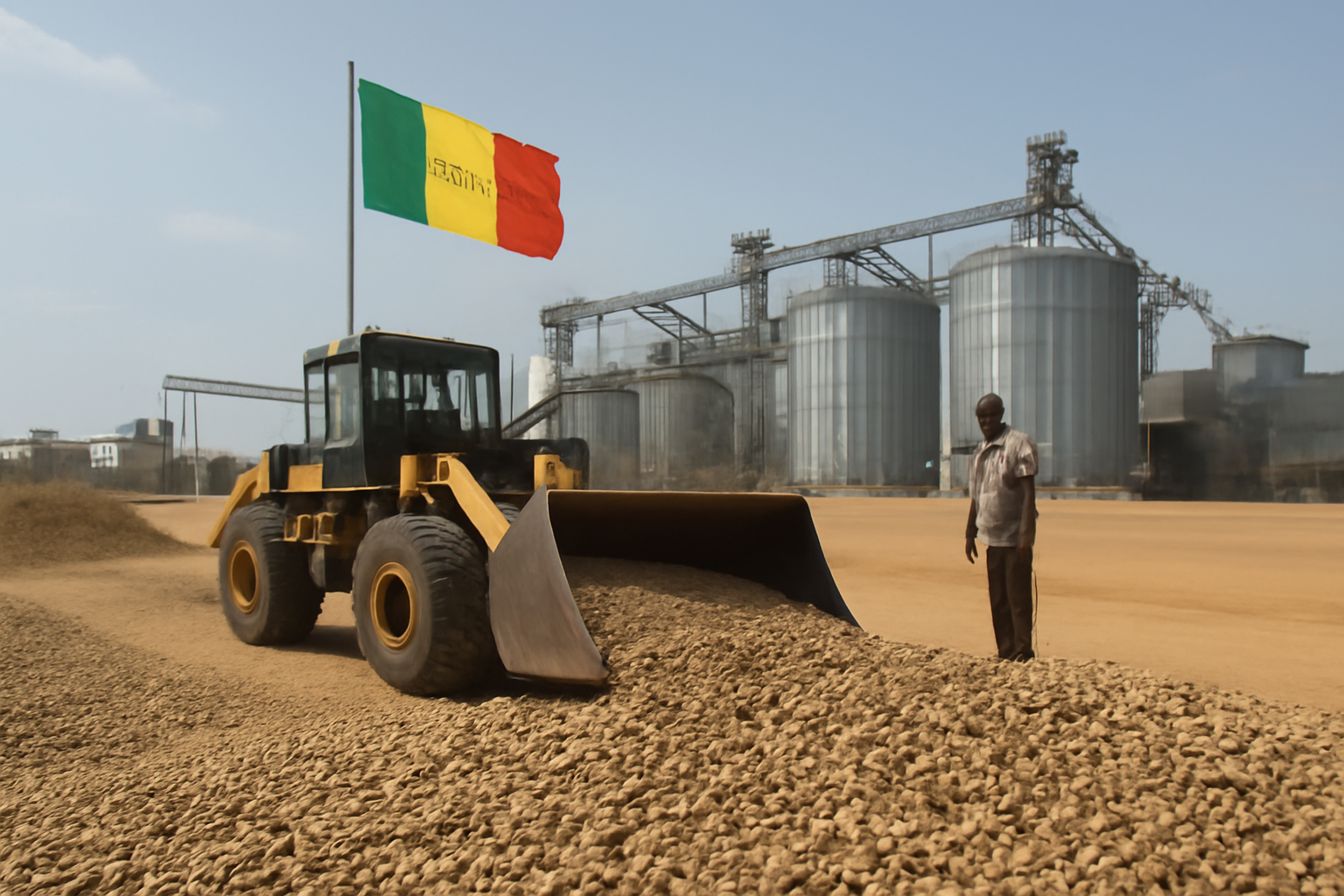
Investment targets local processing
Senegal is planning a $32 million groundnut-processing project in Kolda, according to Agence Ecofin. The investment forms part of the government’s policy to encourage more domestic processing of groundnuts, the country’s main cash crop.
The available information does not specify the planned facility’s processing capacity, construction timetable, financing structure or expected commissioning date. It also does not identify the products that the plant would manufacture. Those details will determine the project’s effect on growers, collectors, processors and buyers of raw groundnuts.
Potential new outlet for the crop
A processing facility of this scale could provide an additional domestic outlet for groundnuts produced in and around Kolda. Its actual impact will depend on how much raw material it can handle, whether procurement is concentrated during the harvest period and what quality specifications it sets for suppliers.
For producers, a new buyer could broaden marketing options and increase competition for available volumes. For existing processors and traders, the project could change local procurement patterns if it draws significant quantities away from established channels. However, no purchase targets or projected sourcing areas have been announced, making it too early to quantify any change in demand or prices.
Value capture depends on execution
Processing groundnuts within Senegal could allow a larger share of the crop’s value to be retained domestically instead of selling the commodity only in raw form. The commercial result will depend on the plant’s product mix, operating efficiency, access to reliable supplies and ability to place processed output in domestic or external markets.
The $32 million headline investment signals an intention to add industrial capacity in a sector with national agricultural importance. Yet the project’s market significance cannot be assessed from the investment figure alone. Capacity, utilization rates, procurement terms and sales destinations will be the key indicators for industry participants as further information becomes available.
Kolda’s role will also depend on the supporting arrangements around the facility, including how groundnuts reach the plant and how finished products reach customers. No details have been provided on logistics, storage or relationships with producer organizations. These elements will influence whether the investment creates a stable processing base or operates below its potential because of supply constraints.
For now, the proposal reinforces Senegal’s stated direction toward local transformation of its principal cash crop. Producers will watch for evidence of reliable purchasing, while traders and existing processors will assess whether the project adds demand or redistributes current volumes. Investors will need the missing technical and commercial details before judging its prospective returns.