Senegal’s peanut oil exports reached a six-year high in 2025
Senegal’s peanut oil exports rose to their highest level in six years in 2025, according to Agence Ecofin. The increase reflects a government policy intended to support agricultural exports and strengthen domestic processing of one of the country’s principal crops.
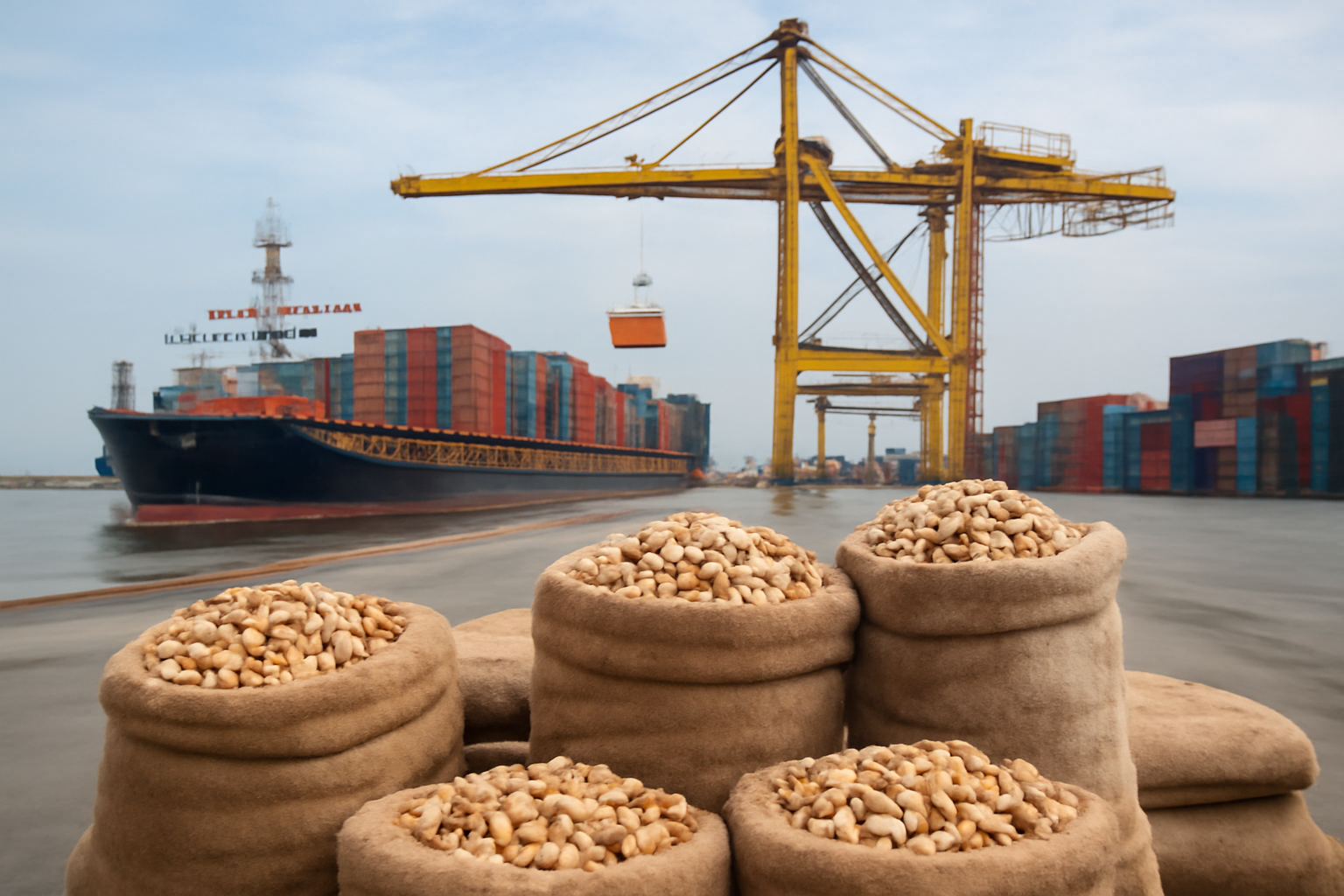
Exports reach their highest level since 2019
Senegal exported more peanut oil in 2025 than in any of the previous six years, according to Agence Ecofin. The publication did not provide a shipment volume or export value in the material available, but the result marks a clear recovery for a product tied closely to Senegal’s agricultural economy.
Peanuts are among Senegal’s principal agricultural crops and exports. The sector connects farmers and collection networks with crushing plants, oil processors and overseas buyers. A rise in oil exports therefore matters beyond the trade statistics: it indicates stronger movement of locally processed agricultural output through the value chain.
Government policy favors agricultural exports
Agence Ecofin linked the six-year high to the Senegalese government’s agricultural export policy. The direction of that policy is important for processors because exporting oil retains more industrial activity inside Senegal than exporting an equivalent quantity of unprocessed peanuts. Crushing generates the oil sold abroad while also producing by-products that can be marketed separately.
The 2025 result consequently points to improved opportunities for oil mills, storage operators, transport companies and traders able to meet export requirements. It may also strengthen competition for suitable peanuts between processors serving foreign customers and businesses supplying the domestic market. The available source material does not identify destination countries, prices or individual exporters, so the distribution of the gains cannot yet be assessed.
Supply remains the critical variable
Maintaining the export level will depend on the availability and quality of peanuts delivered to processors. Oil exports require reliable supplies of raw material, sufficient crushing activity and access to working capital throughout collection and processing. For producers, stronger demand from mills can widen the commercial outlet for the crop; for processors, inconsistent deliveries can prevent plants from converting export demand into sustained shipments.
The distinction between peanuts and peanut oil is also commercially significant. An increase in processed-oil exports signals that at least part of the crop is passing through Senegalese industry before leaving the country. That supports domestic value addition, although the headline result alone does not establish whether processing margins or farm returns improved in 2025.
Market participants will now need the detailed trade data behind the six-year record. Shipment volumes, export earnings, destination markets and monthly patterns would show whether the increase was broad-based or concentrated in a limited number of transactions. The durability of the recovery will also depend on future harvest availability and the consistency of government policy toward producers, processors and exporters.