Senegal seeks Indonesian support to rebuild domestic palm oil production
Senegal is pursuing Indonesian backing to revive its oil palm sector and reduce reliance on imported palm oil, Agence Ecofin reported. The country ranks among West Africa's largest palm oil importers alongside Nigeria, Togo and Burkina Faso. Indonesia, the world's leading producer, controls the full chain from planting material to refining.
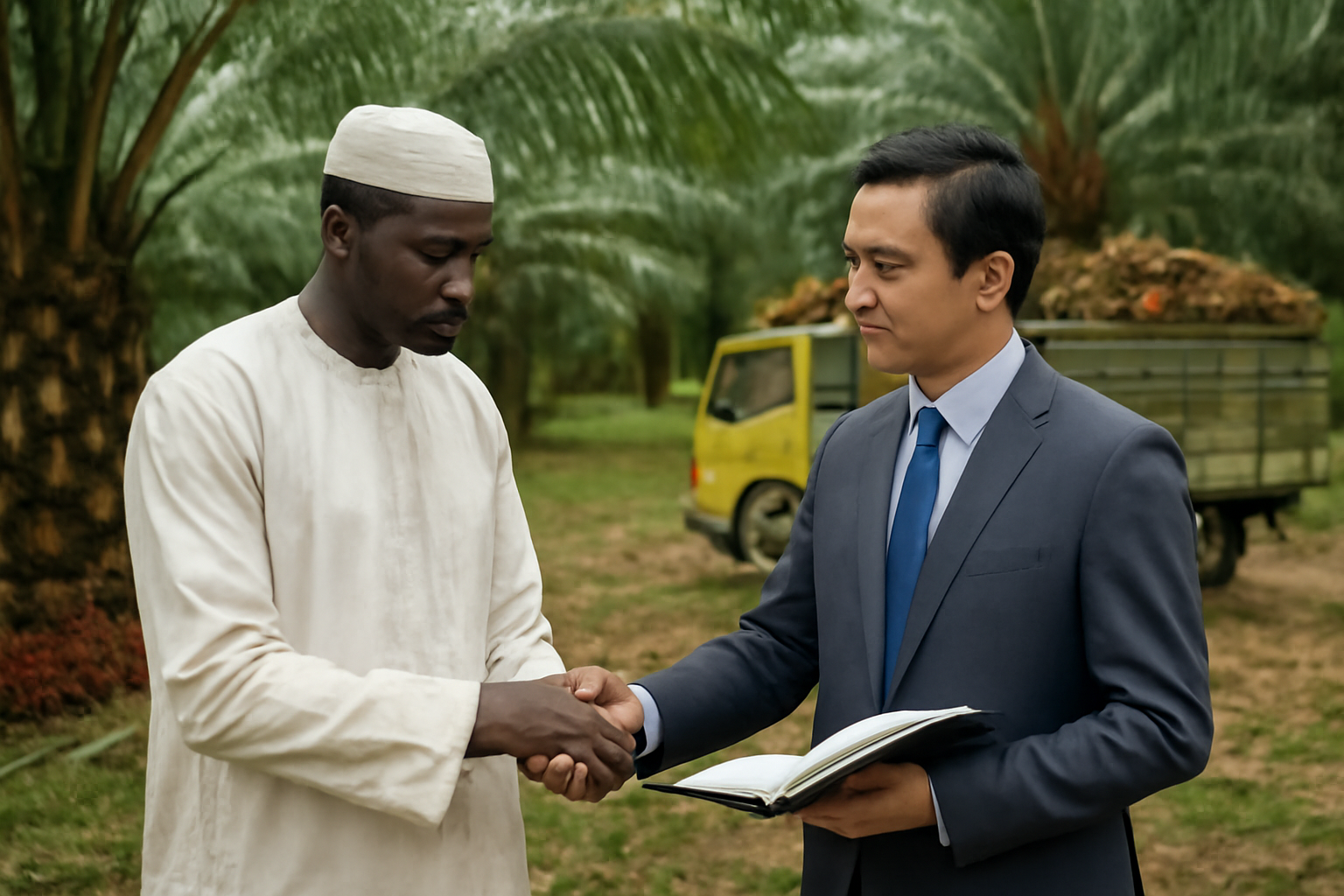
Senegal is working to revive its oil palm sector with support from Indonesia, in a bid to cut its dependence on imported palm oil, Agence Ecofin reported. The West African country is among the region's largest buyers of the commodity, alongside Nigeria, Togo and Burkina Faso, according to the same publication.
Palm oil is the most widely traded vegetable oil in the world and a staple input for bottled cooking oil, soap, bakery fats and processed foods. For countries without significant domestic production, it is also one of the heavier lines in the food import bill: paid in hard currency, priced on markets the buyer does not influence, and exposed to freight costs and to policy decisions taken in exporting countries.
An import-led market
West Africa is the botanical home of the oil palm, but the region ceded commercial leadership to Southeast Asia decades ago, where large plantation estates and integrated refining capacity turned the crop into an industrial export commodity. Senegalese output has remained small and largely artisanal, which leaves refined and semi-refined imported oil to cover most industrial and household demand.
That gap is what the initiative targets. Replacing part of the imported volume with domestic supply would retain value inside the country across planting, harvesting, milling, refining and bottling. It would also reduce currency exposure: palm oil trades in dollars, while Senegal operates in the CFA franc, which is pegged to the euro.
Why Indonesia is the partner
Indonesia is the world's largest palm oil producer and exporter, and its industry spans the entire chain — seed and seedling supply, plantation agronomy, mill engineering, refining, and downstream products including oleochemicals and biodiesel. For a producer rebuilding from a low base, that breadth matters more than capital alone. Planting material and agronomic protocols fix yields for the whole productive life of a plantation, and errors made at planting cannot be corrected later by better management.
Indonesia has also used palm oil cooperation and technical exchange with buyer countries as an instrument of trade diplomacy, at a time when its own exports face tightening sustainability requirements in some destination markets.
The constraints on any revival
The parameters that will determine whether the plan moves beyond a statement of intent are investment size, planted area and timetable. The agronomic and industrial constraints are well known to anyone building a palm sector from scratch:
- Oil palm takes several years from planting to first commercial harvest, so any supply response is measured in years rather than seasons.
- Fresh fruit bunches must reach a mill soon after cutting or oil quality degrades, which forces mills to sit close to plantations and makes scattered smallholder supply difficult to aggregate.
- The crop requires high and well-distributed rainfall, which limits the share of Senegalese territory that is agronomically suitable.
- New domestic mills would have to compete on cost against landed imports from mature Southeast Asian plantations operating at scale.
What it means for the region
Senegal is not acting in isolation. Several West African governments have sought to substitute local production for imported vegetable oil, with mixed results. Nigeria, the region's largest economy, combines substantial domestic production with continued imports, while Togo and Burkina Faso remain dependent on outside supply, according to Agence Ecofin's grouping of the main regional buyers.
For exporters, refiners and traders serving West Africa, the near-term picture is unchanged: demand continues to be met from Southeast Asia. The signal is longer-dated. If Senegal and its neighbours succeed in building milling and refining capacity, the composition of the trade would shift over time from refined oil towards crude palm oil, equipment and planting material — a change in what is shipped rather than an immediate reduction in how much.